
Weird AI Images: 15+ Strange Images That Will Make You Look Twice
From strange animals to impossible worlds, explore weird AI images that push creativity beyond reality. Use Vmake Labs AI image generator right away to create bizarre AI-generated artwork.
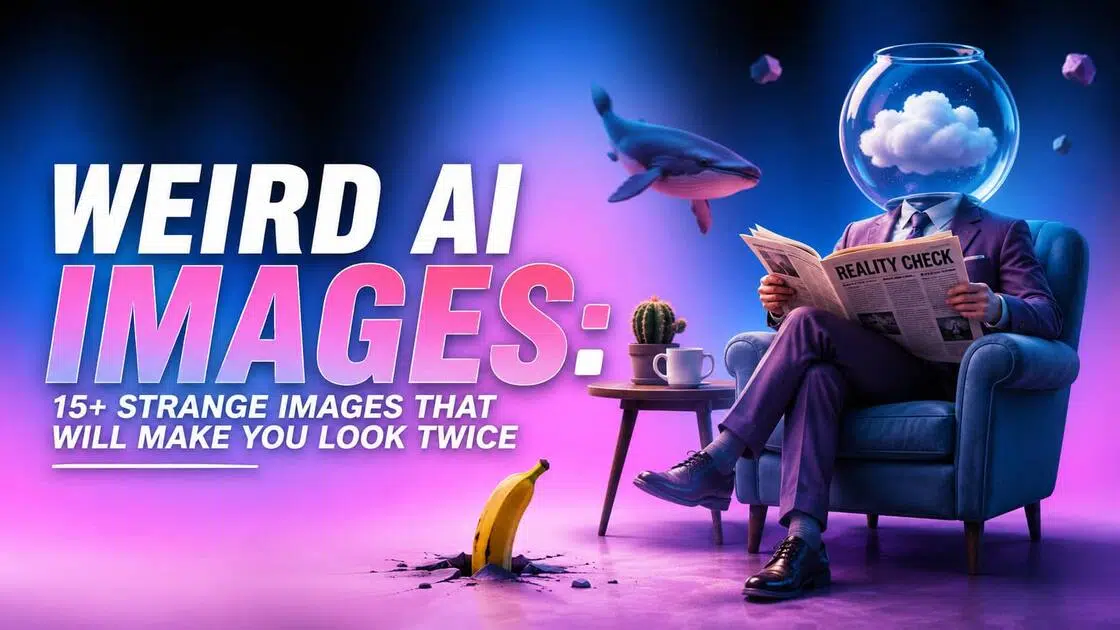
Weird AI images live in the in-between of creative experimentation and digital chaos. From impossible anatomy and weird food scenes to surreal characters and fake movie stills, these images show how artificial intelligence can turn an everyday idea into something strangely funny or disturbing. This guide covers 15+ funny, weird AI images that capture viewers' attention instantly.
Weird AI image: Glitch or creative art?
Not every weird AI image is a glitch. Sometimes, the unusual result is exactly what the creator intended. The distinction usually depends on the image's purpose and whether its unusual elements are accidental or deliberate.
-
AI glitches: These are unintended distortions or inconsistencies that occur when an image generator struggles to interpret a prompt correctly. Common examples include extra fingers, duplicated objects, distorted faces, misplaced features, and oddly attached limbs.
-
Surreal AI art: Surreal images intentionally combine impossible ideas, unusual settings, and dreamlike elements. Their bizarre appearance is part of the artistic concept rather than a mistake.
-
AI memes: Some strange images are created purely for humor, social media engagement, or viral appeal. Their absurdity makes them more memorable, entertaining, and shareable.
-
Fake imagery: AI can also generate fictional scenes that look realistic enough to be mistaken for genuine photographs. When an image could leave viewers uncertain about whether a person, event, or place is real, it is important to clearly label it as AI-generated.
The distinction matters because a strange image can be entertaining in one context but misleading in another. Transparent labeling provides important context when realistic AI-generated imagery depicts people, events, news-like situations, or other subjects that viewers could reasonably mistake for reality.
The common characteristics of weird AI-generated images
Weird AI images stand out because they blend realistic visual details with something that just doesn't make sense. The image looks convincing at first glance, but there is one weird detail that can make you stop and take a second look.
|
AI Image Anomaly |
Characteristic Description |
|---|---|
|
Unusual Combinations |
Merges surreal combinations of people, animals, and objects into one scene (e.g., a dog in a business suit or a person standing on a giant piece of fruit). |
|
Distorted Anatomy |
Faces, hands, bodies, and limbs often appear warped or incorrectly structured, particularly in complex poses or physical interactions. |
|
Duplicated Features |
Generates extra fingers, limbs, eyes, or ears—one of the most recognizable indicators of generated imagery. |
|
Impossible Environments |
Creates visually plausible scenes that violate basic laws of architecture, gravity, perspective, or geography. |
|
Uncanny Facial Expressions |
Produces unnerving human faces featuring unnatural smiles, misplaced eyes, or uncanny proportions that feel off-canny. |
|
Defiant Physics |
Shows everyday objects floating, merging, stretching, or interacting in ways that defy real-world physical laws. |
15+ AI weird images to inspire you
These concepts are merely a taste of how creative and sometimes unpredictable AI image generation can be. Each idea can be remade with different characters, settings, visual styles, and degrees of realism.
-
The Uncanny AI Portrait
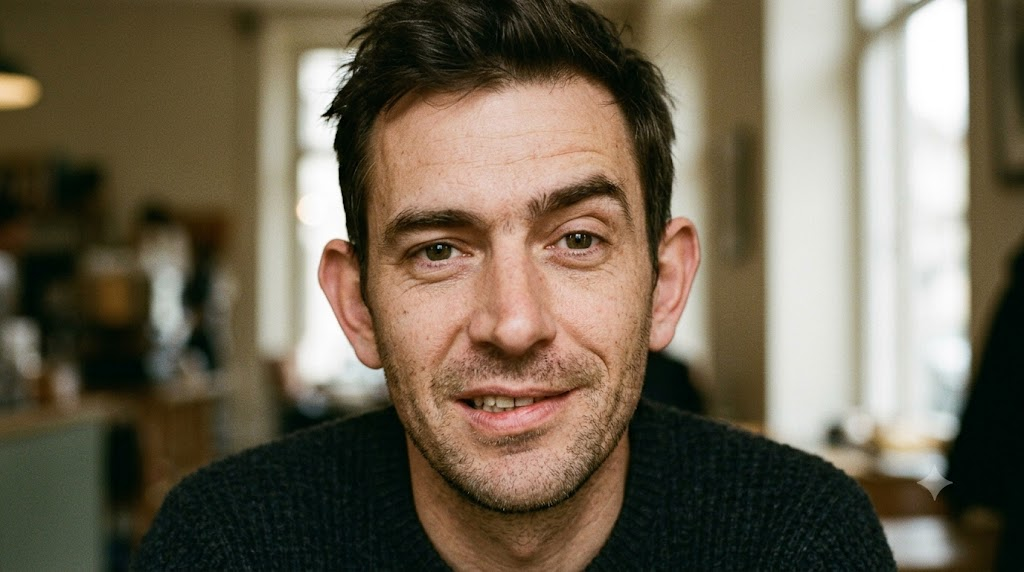
An uncanny AI portrait might look completely normal for the first few seconds before something weird pops up. The best examples don't appear strange at first glance; instead, they reward those who look more closely. This idea works well, especially in cinematic portrait photography, where natural skin textures, realistic lighting, and a neutral background are used. By leaving most of the image believable, the odd facial details pop even more.
Example prompt: Create a realistic person with slightly off facial features, slightly mismatched eyes, an unusual smile, asymmetrical ears, or facial features that do not quite line up.
-
Animals With Human Features
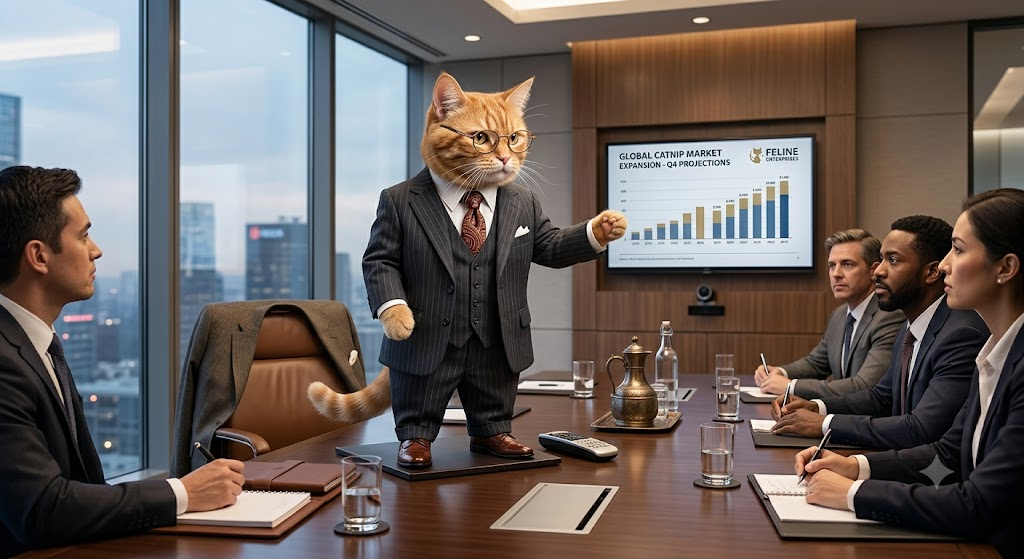
Animals with human features are a frequent subject for experimental AI art because they allow creators to blend familiar and unfamiliar visual elements. It's the contrast that makes these images work. The animal is instantly recognizable to the viewers, but they also see human characteristics that look completely out of place.
Example prompt: Picture a cat in a tailor-made suit making a serious business pitch, a table at a restaurant with a human-sized rabbit, or a dog with an over-the-top human expression.
-
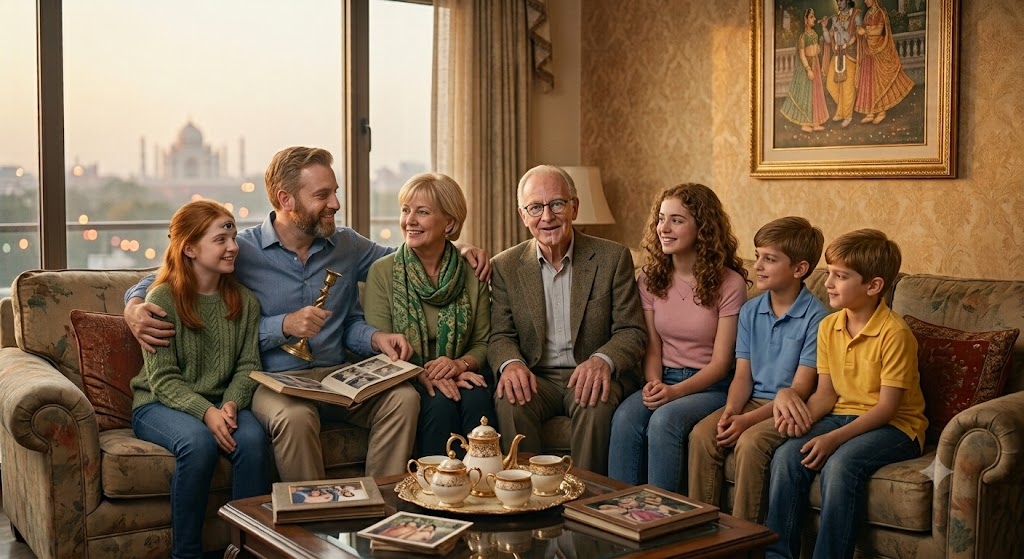
The Impossible Family Photo
Family photos are usually mundane moments, making them a perfect format for generating uncanny AI imagery. The trick is to make the scene look familiar before you throw in the weird details. Tiny anatomical errors can be even more apparent in a realistic living room, with natural light, matching clothes, and normal poses.
Example prompt: Start with a normal group photo, then add a few small anomalies: duplicate hands, mismatched faces, physically impossible poses, strangely joined arms, or a person who appears twice.
-
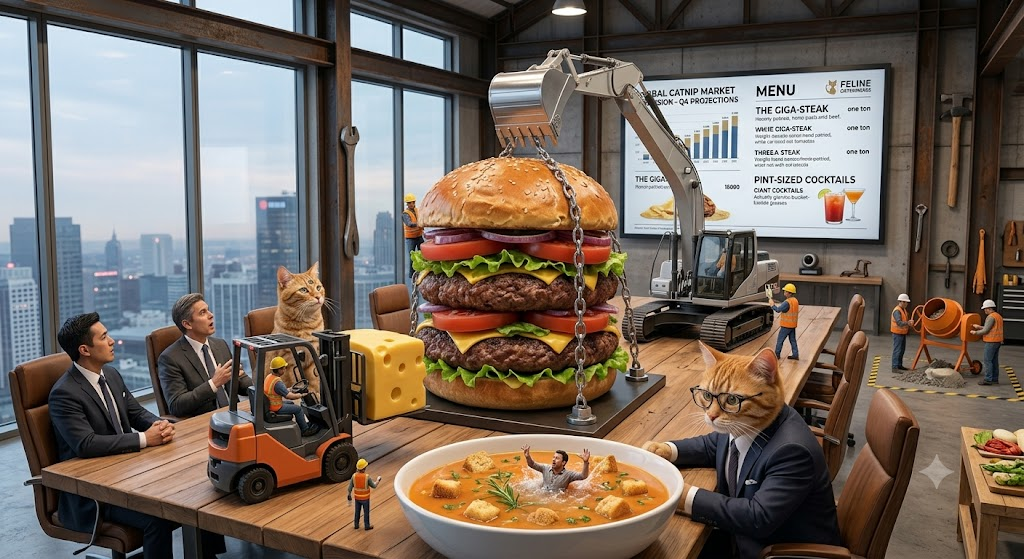
AI's Weirdest Food Creations
Artificial intelligence is able to take a familiar meal and turn it into an entirely absurd visual scenario. Food is especially good for weird AI imagery because people already know what it is supposed to look like and how it is supposed to behave. When an AI-generated scene subverts those expectations while still maintaining realistic textures, lighting, and presentation, it can be both funny and unsettling.
Example prompt: You could build a huge hamburger that is served with construction equipment, a tiny man crawling around in a bowl of soup, or a restaurant where everything on the menu is ridiculously big.
-
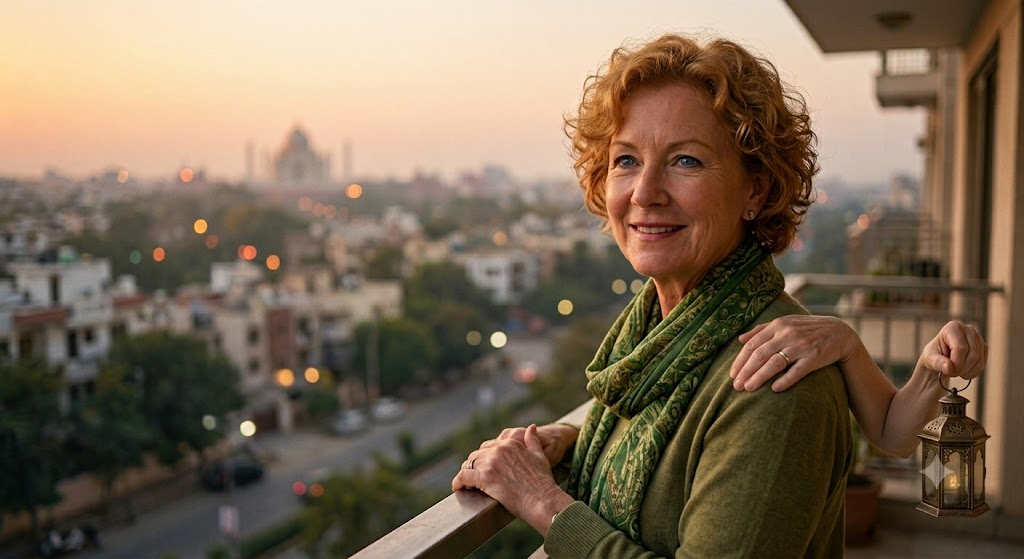
Extra Limbs and Too Many Hands
Extra hands and fingers are some of the more recognizable oddities of AI images. Mistakes may occur in cases where the image has complicated poses, occluded people, or intricate hand interactions. They have also become a recognizable visual shorthand for AI-generated imagery, even as newer models continue to improve anatomical accuracy.
Example prompt: A character may look as if they have three hands, or their fingers may be fused together, or an arm may seem to be coming from a position that is impossible.
-
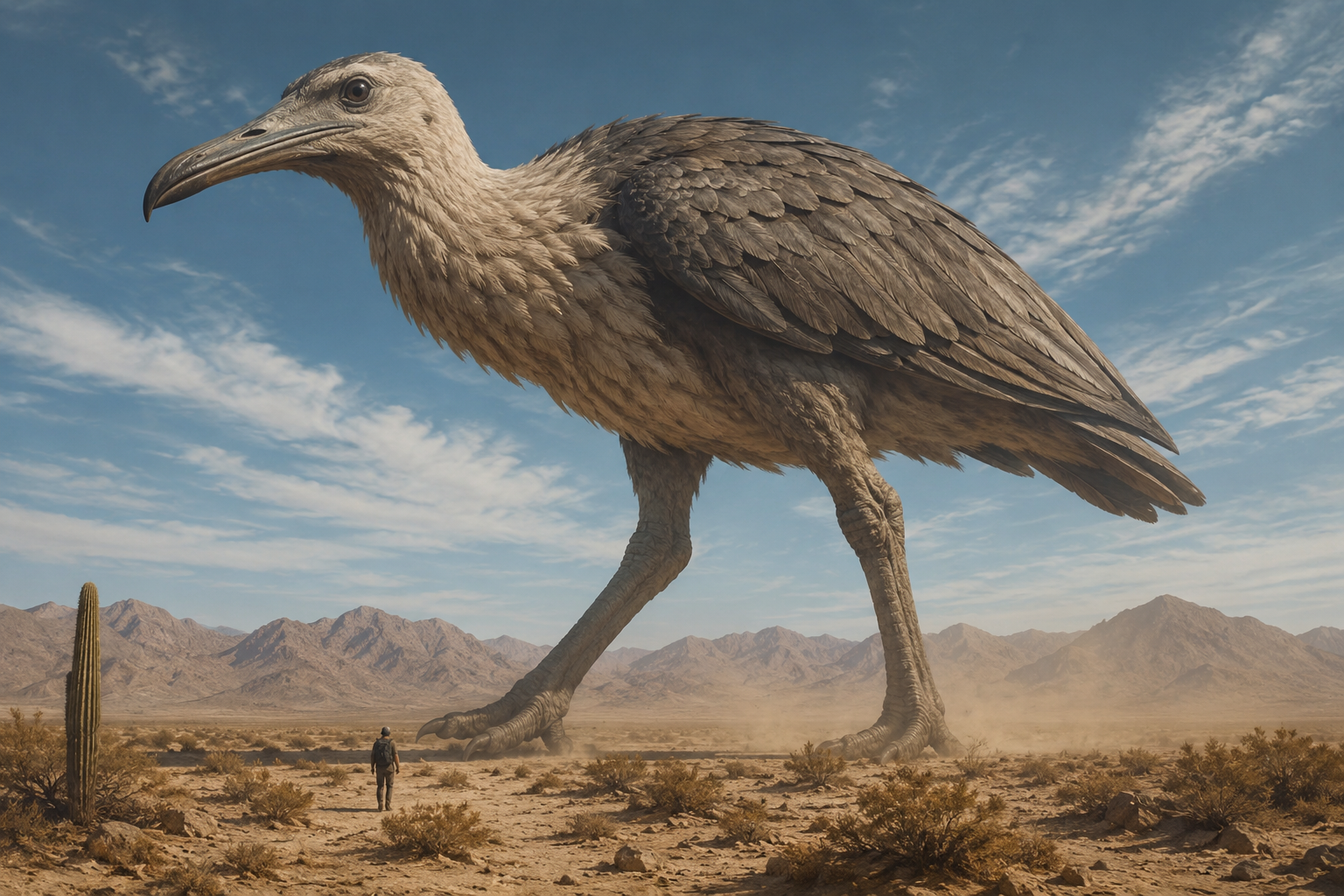
Creatures That Shouldn't Exist
One of the weird, funny AI-generated images is about creations that don't even exist. Some of the most interesting weird AI images are of creatures that could never happen in nature. The more the prompt teeters between recognizable features and impossible biology, the more interesting the result can be.
Example prompt: Make an image of a whale-sized bird walking through a desert.
-
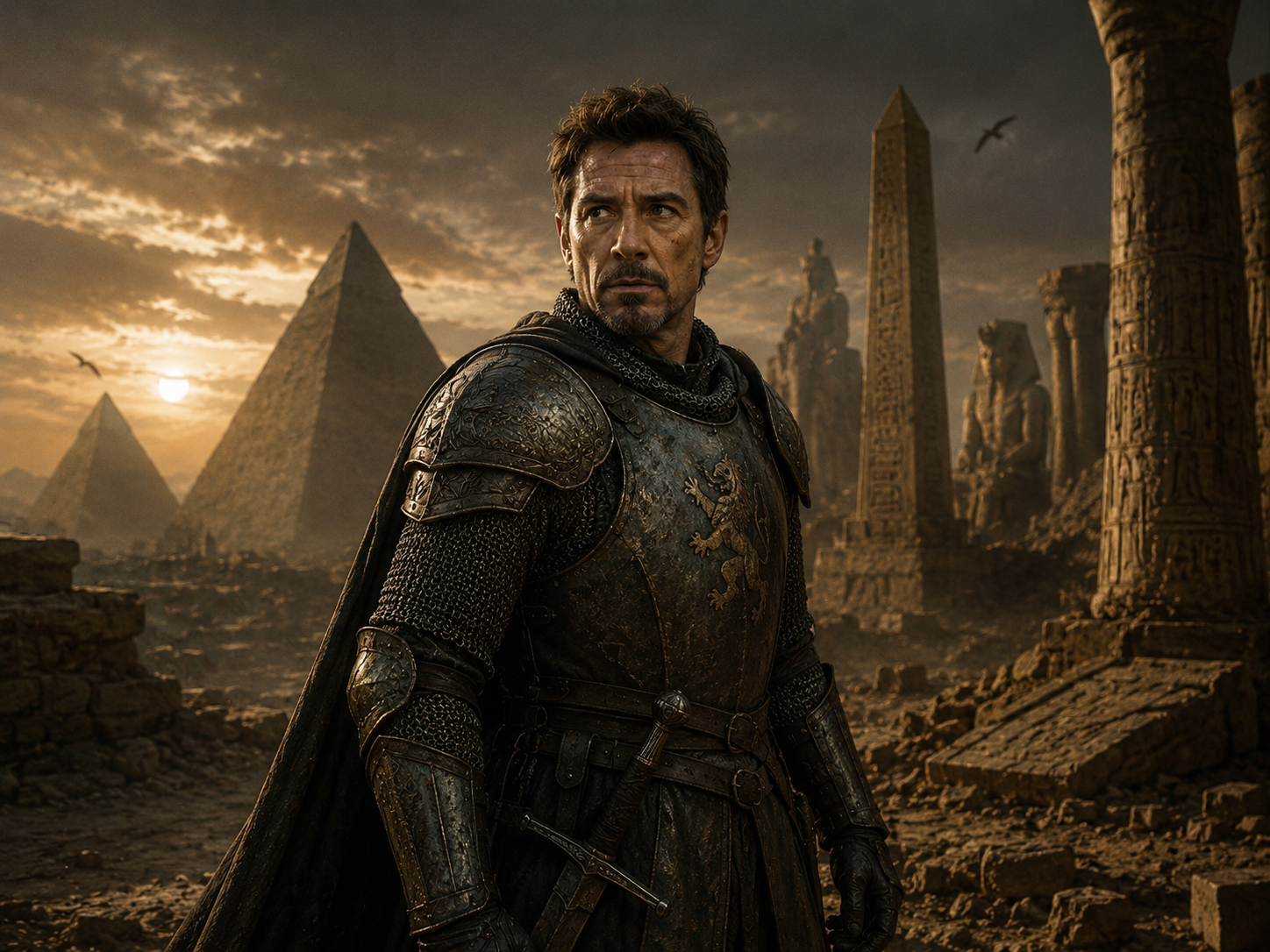
Bizarre Celebrity Scenarios
Artificial intelligence is able to put well-known public figures into totally unexpected situations, creating images that look strange just because the person is recognizable. Due to the realism of current image generation, such scenarios can be particularly convincing.
Example prompt: A well-known actor might be in the form of a medieval knight in an impossible ancient setting.
-
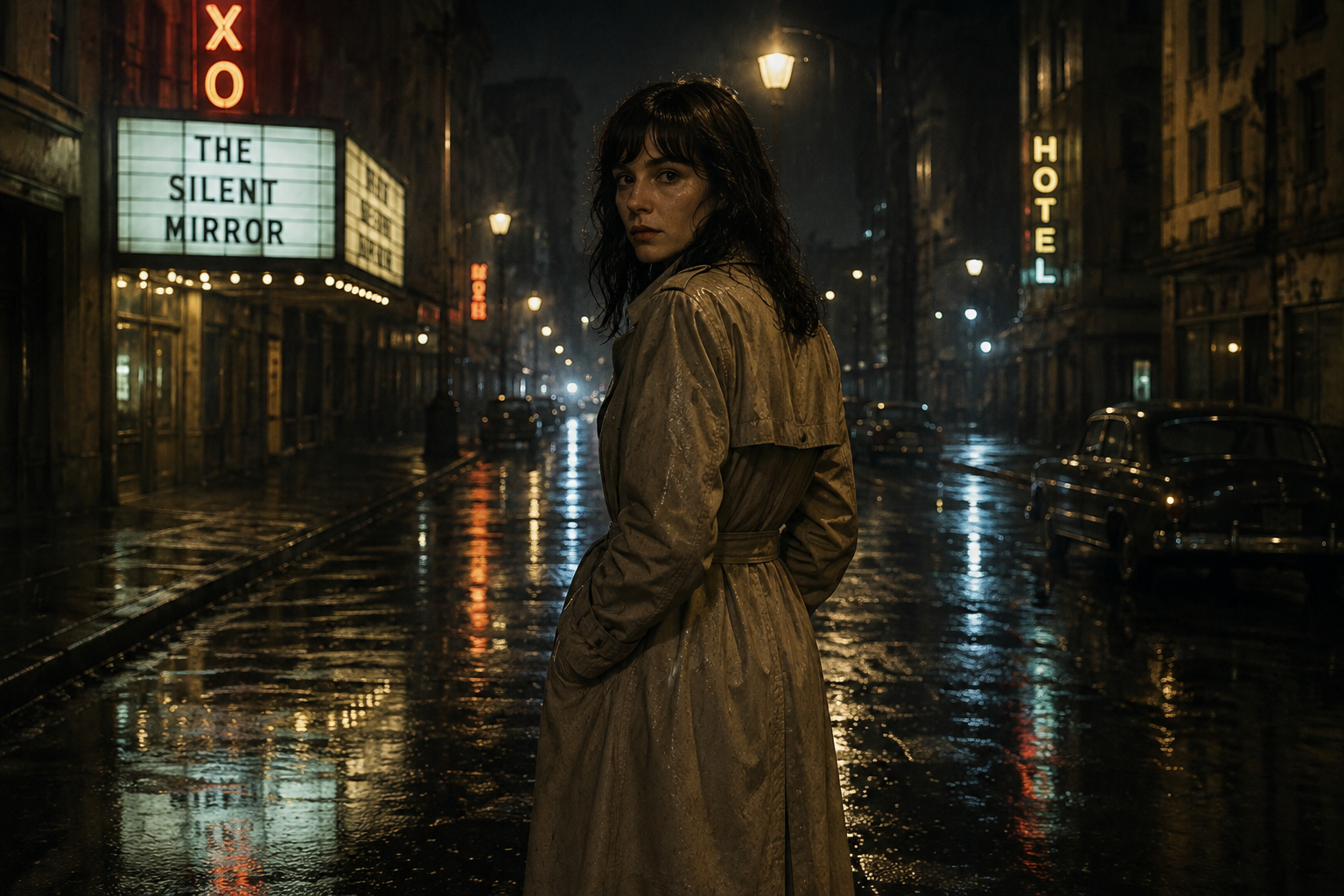
Fake Movie Stills From Movies That Never Existed
AI-generated movies still don't have to be of an actual film to speak the visual language of cinema. You can conjure up a fictional horror movie of the 1970s, a made-up classic science-fiction movie, or a film that was never made, supposedly shot in the style of a famous filmmaker. Film grain, vintage lenses, practical-looking costumes, dramatic lighting, period-specific color treatment, and carefully composed frames can make an imaginary movie feel surprisingly real.
Example prompt: Create a movie shot for a fictional 1970s psychological thriller, where a mysterious woman in a vintage trench coat stands alone in the rain-soaked city street at midnight.
-
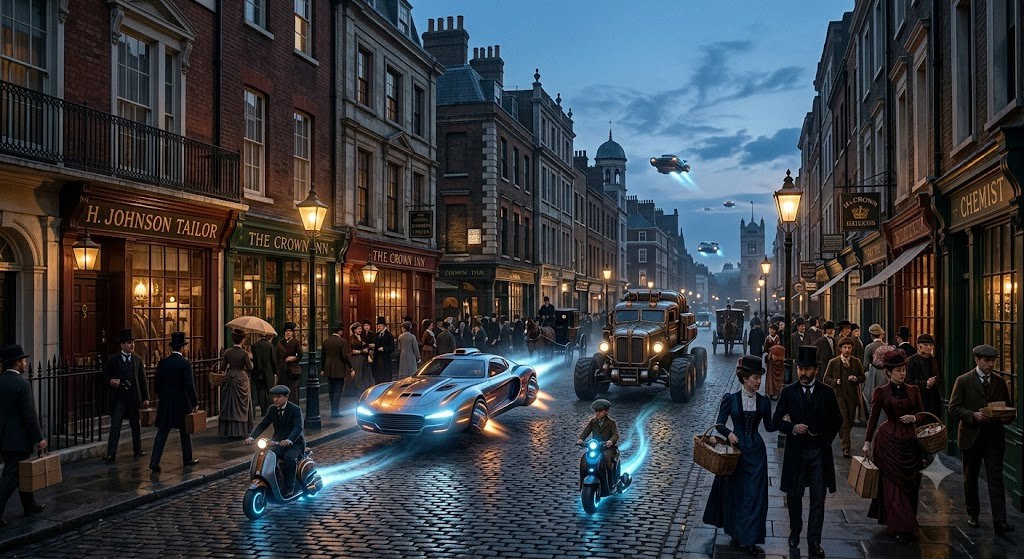
Surreal Historical Scenes
Historical imagery often carries a strong sense of authenticity. Artificial intelligence can actively play against that expectation by putting historical figures, places, or events into totally unexpected situations. Think of historical people, places, or events in totally unlikely situations.
Example prompt: Create an image featuring a Victorian street with sci-fi vehicles driving down it.
-
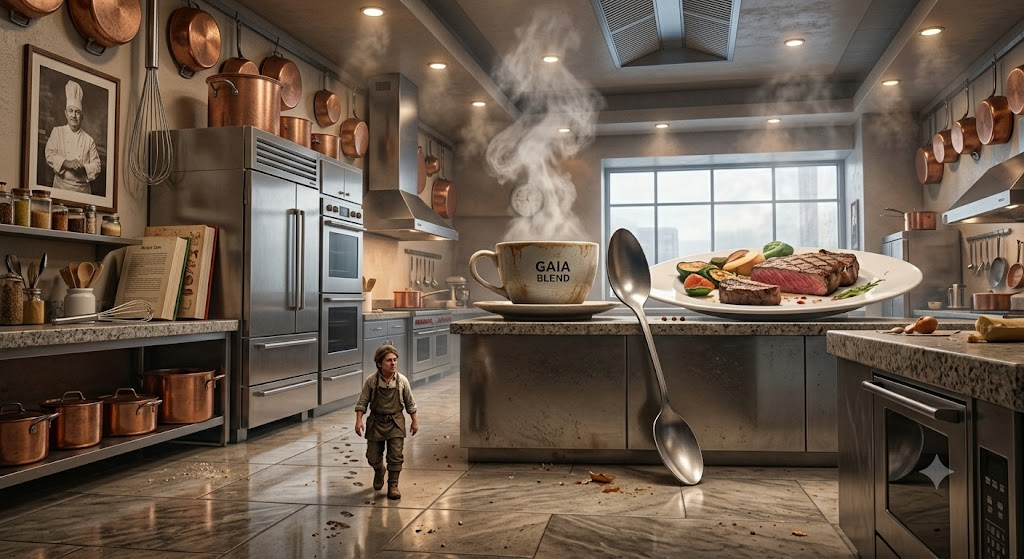
Giant Objects in Tiny Worlds
A small change in size can immediately transform a realistic scene into something bizarre. A cup of coffee can be the size of a house, a person can sit inside a giant wristwatch, and tiny pedestrians can walk around a giant smartphone. The strongest images will still have realistic shadows, reflections, textures, and perspective even when the scale itself is impossible.
Example prompt: Make an image of a little person walking in a giant kitchen, featuring a large cup of coffee, a big spoon, and a huge plate.
-
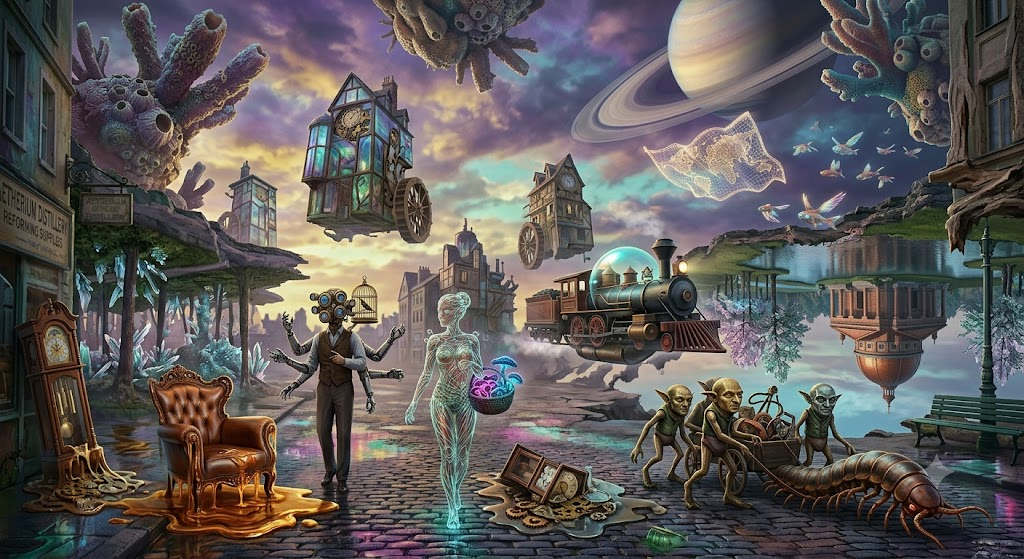
AI Dreams Gone Wrong
Dreamlike AI images enable almost unlimited creative freedom. Unlike AI glitches, these images don't have to look real. Instead, it is to create a visual world that has its own weird logic. Mix and match various settings, odd colors, unlikely buildings, and strange objects to create a surreal image.
Example prompt: A scene can have floating buildings, upside-down landscapes, melting furniture, strange characters, and objects in the sky all at the same time.
-
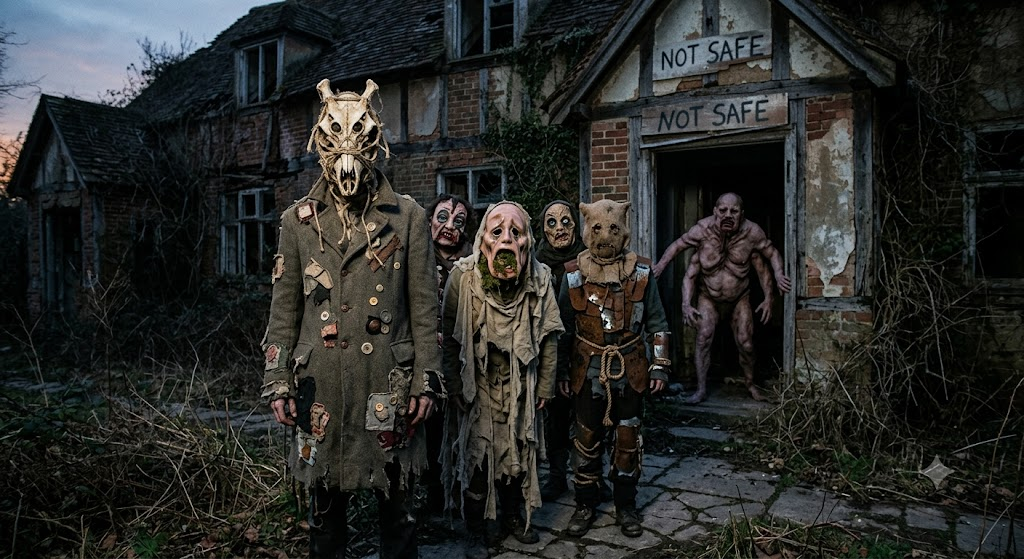
Creepy AI Halloween Images
Halloween images make good natural fodder for bizarre AI concepts. You can also add some humor to make the image less scary. Or maybe a creepy monster dressed for a formal dinner party, or some weird creatures posing for a too-cheerful Halloween family portrait.
Example prompt: Make a creepy image of weird monsters, creepy masks, distorted faces, unusual costumes, and abandoned houses.
-
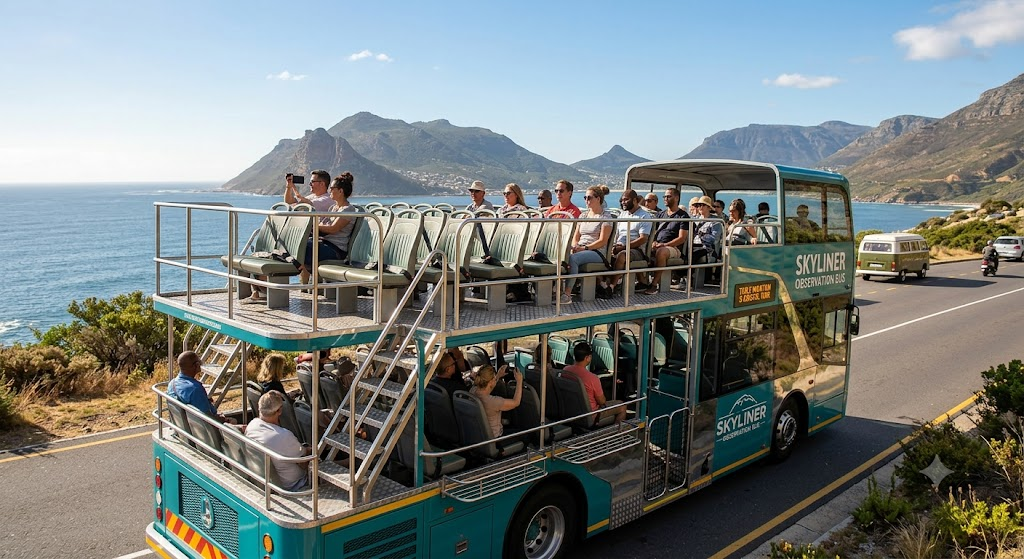
Impossible Transportation
Another area where artificial intelligence can create scenes that immediately go against common sense is transportation. By combining realistic vehicle materials and environments with physically impossible designs, realistic yet absurd images can be created.
Example prompt: Create an image of a bus with seats on the outside of it.
-
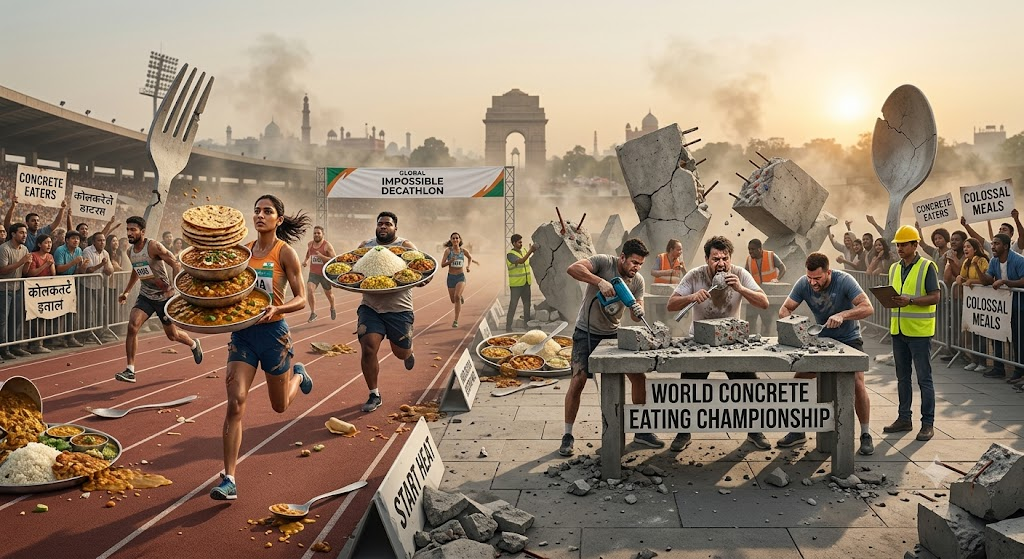
AI-Generated Food Fights and Competitions
Artificial intelligence is able to turn a normal contest into an absurd spectacle. The humor is derived from taking something that is obviously absurd and treating it as a serious event. Add realistic sports photography, dramatic stadium lighting, cheering crowds, competition uniforms, and action poses, and the absurd premise comes to life in a pleasing way.
Example prompt: Picture people competing in an impossible food-related event, athletes running while carrying massive meals, or contestants in a completely made-up "Concrete Eating Contest."
-
Weird AI Characters
AI-generated characters can get weird when two visual concepts are combined in one prompt. Try to do a character concept that is a Victorian magician, a robotic chef, a fantasy creature, and a futuristic astronaut rolled into one. The image you get can look messy, but the very unpredictability can be the most interesting part of the design.
Example prompt: A character can be over-proportioned, wear a weird outfit, have unexpected accessories, clash of textures, or a mix of human and fantasy elements.
Now that you have seen how artificial intelligence can turn boring old ideas into strange, surreal and unexpected visuals, why not create your own? Vmake Labs lets you experiment with bizarre ideas, combine unrelated things, and produce unique, weird AI images from creative prompts.
Vmake Labs: Create your own weird AI images
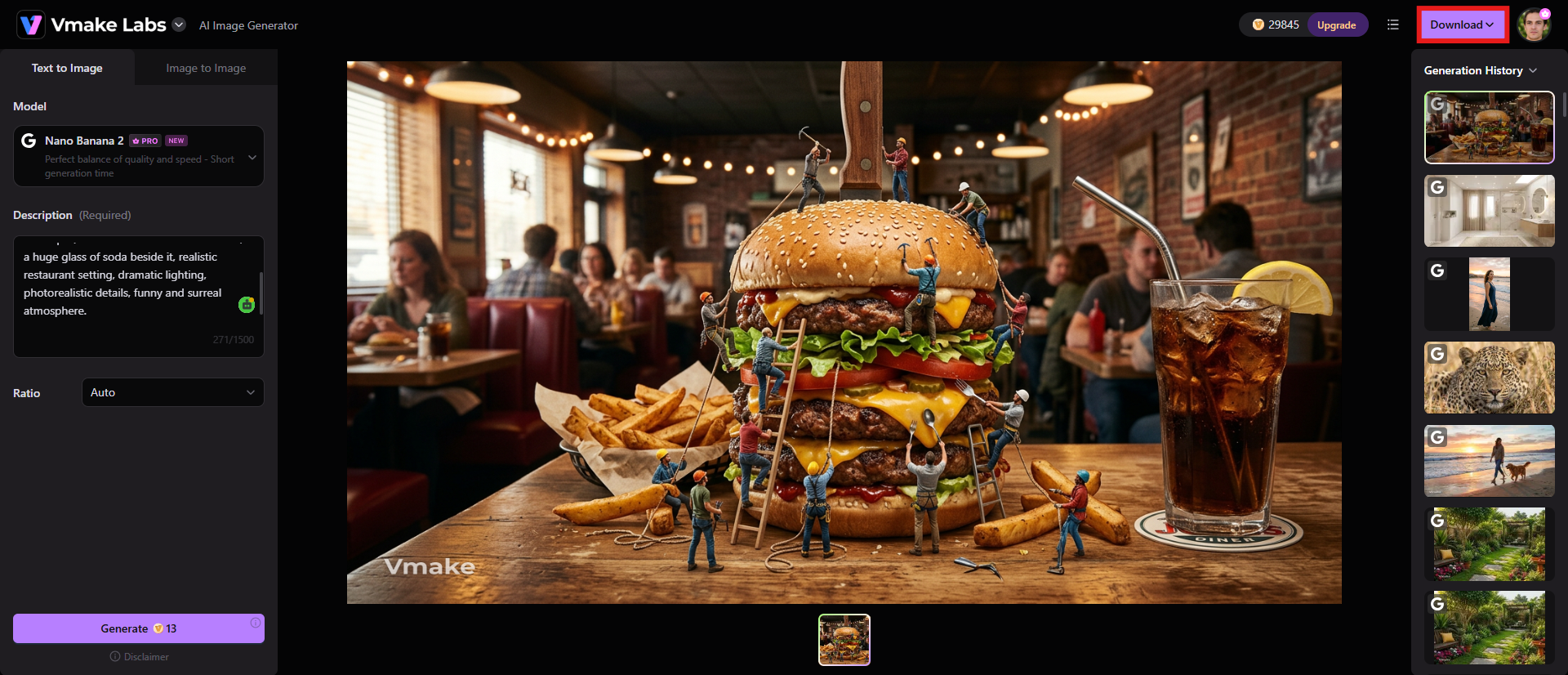
Vmake Labs AI Image Generator allows you to begin by providing a written description or a reference image to help guide the visual direction. That makes it a great place to try out surreal characters, impossible environments, weird compositions, and other wacky AI image ideas. Instead of being restricted to a single style, you can specify the subject, setting, composition, lighting, mood, and visual treatment you want. Besides, you can use Vmake Labs Image Enhancer to fine-tune the output.
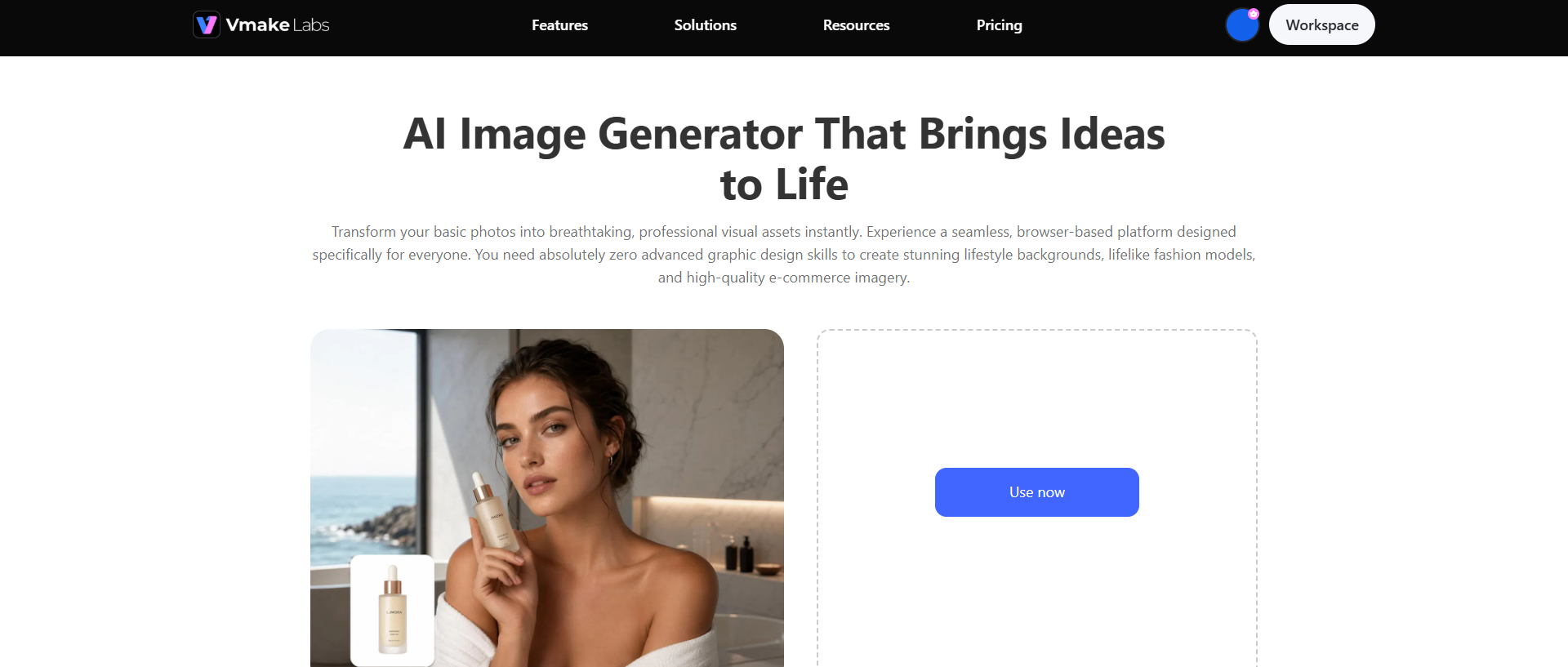
Steps to generate images using Vmake Labs
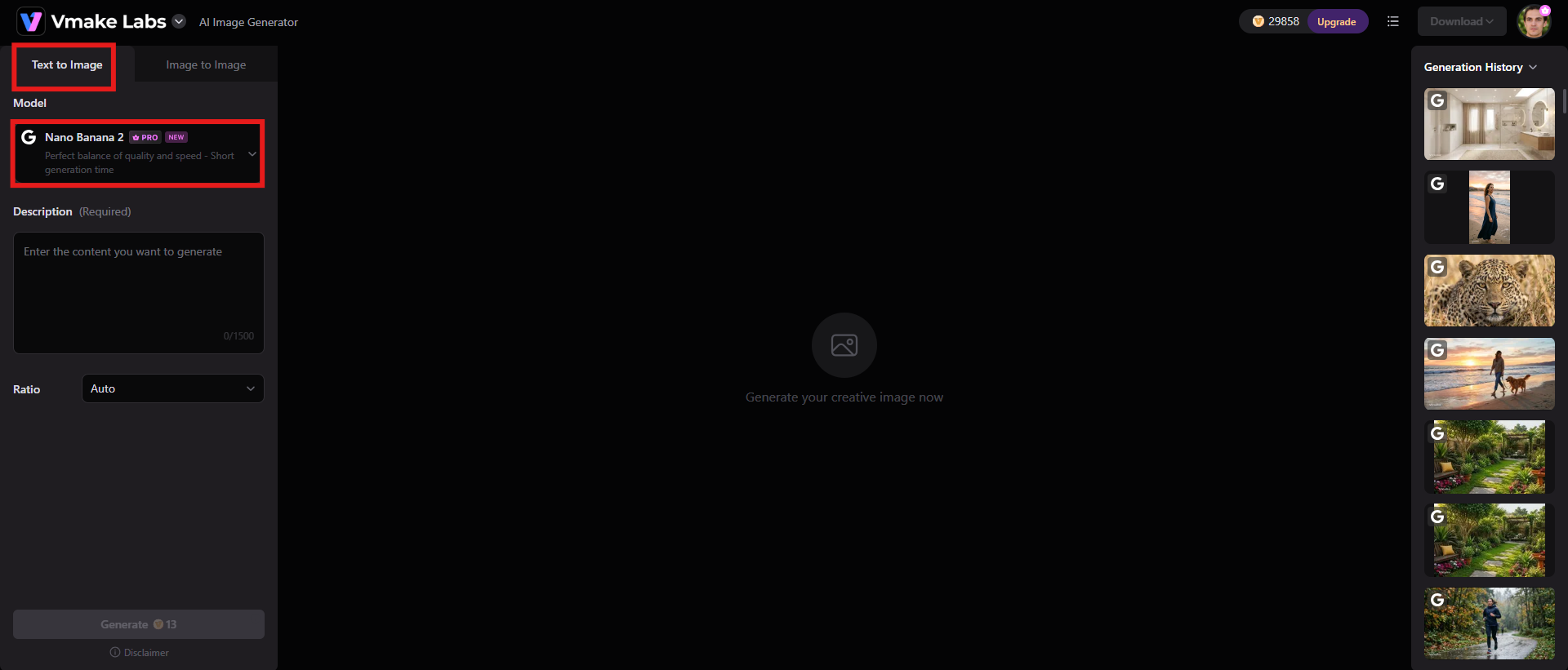
Step 1: Select Text to Image or Image to Image and choose a model
Start by selecting the generation method that matches your idea. Choose Text to Image when you want to create a weird AI image entirely from a written concept. If you already have an image that you want to transform or use as visual guidance, choose Image to Image. Thereafter, select a suitable AI model to proceed.
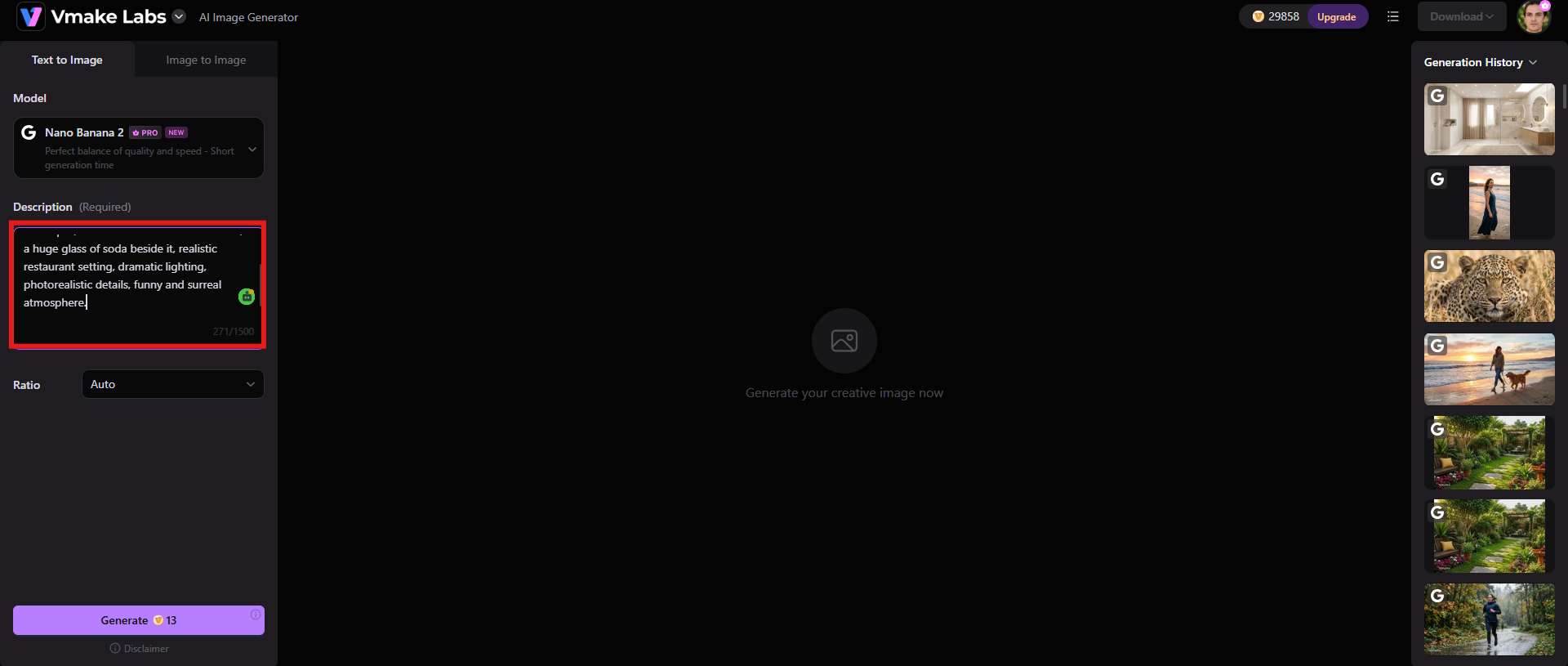
Step 2: Input a prompt or upload 1-3 reference images
Describe exactly what you want in the picture. Mention the subject, setting, visual style, camera angle, lighting, colors, and weird details in words. For Image to Image generation, you can upload 1-3 reference images to give additional visual direction.
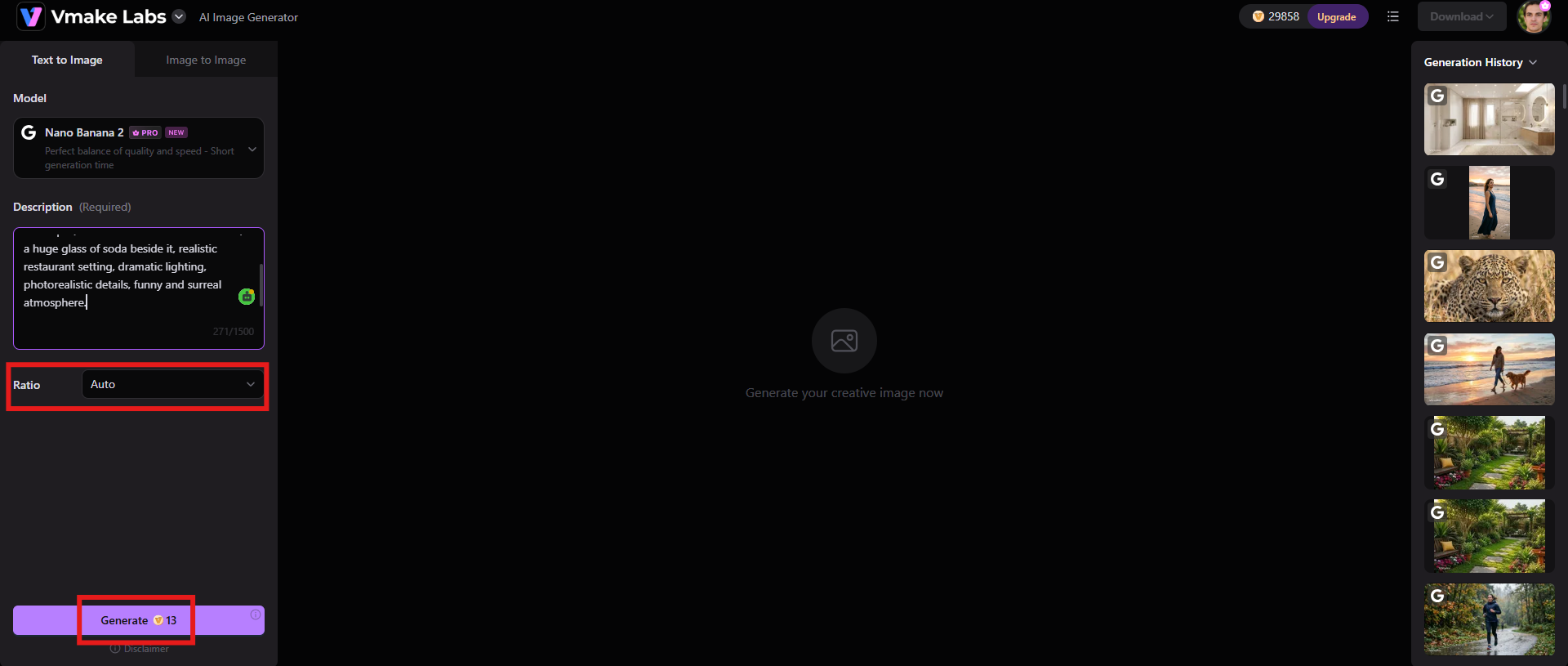
Step 3: Choose the aspect ratio and generate
Once you have entered a prompt, choose the ideal aspect ratio for your final image using the drop-down menu. Finally, click the "Generate" button to begin the process.
Step 4: Preview and download after generation
After the image is generated, observe the result carefully and examine the details. Check out anatomy, faces, objects, text, and overall composition, as weird AI images can have unexpected stuff. If the result matches your idea, you can save the finished image for your creative project.
Key features
-
Text-to-image generation for custom visuals
With Vmake Labs, you can turn unusual ideas into original images. Describe the subject, setting, composition, mood, lighting, and style. This is especially useful if you have a weird idea in mind but no starting image.
-
Image-to-image generation with reference images
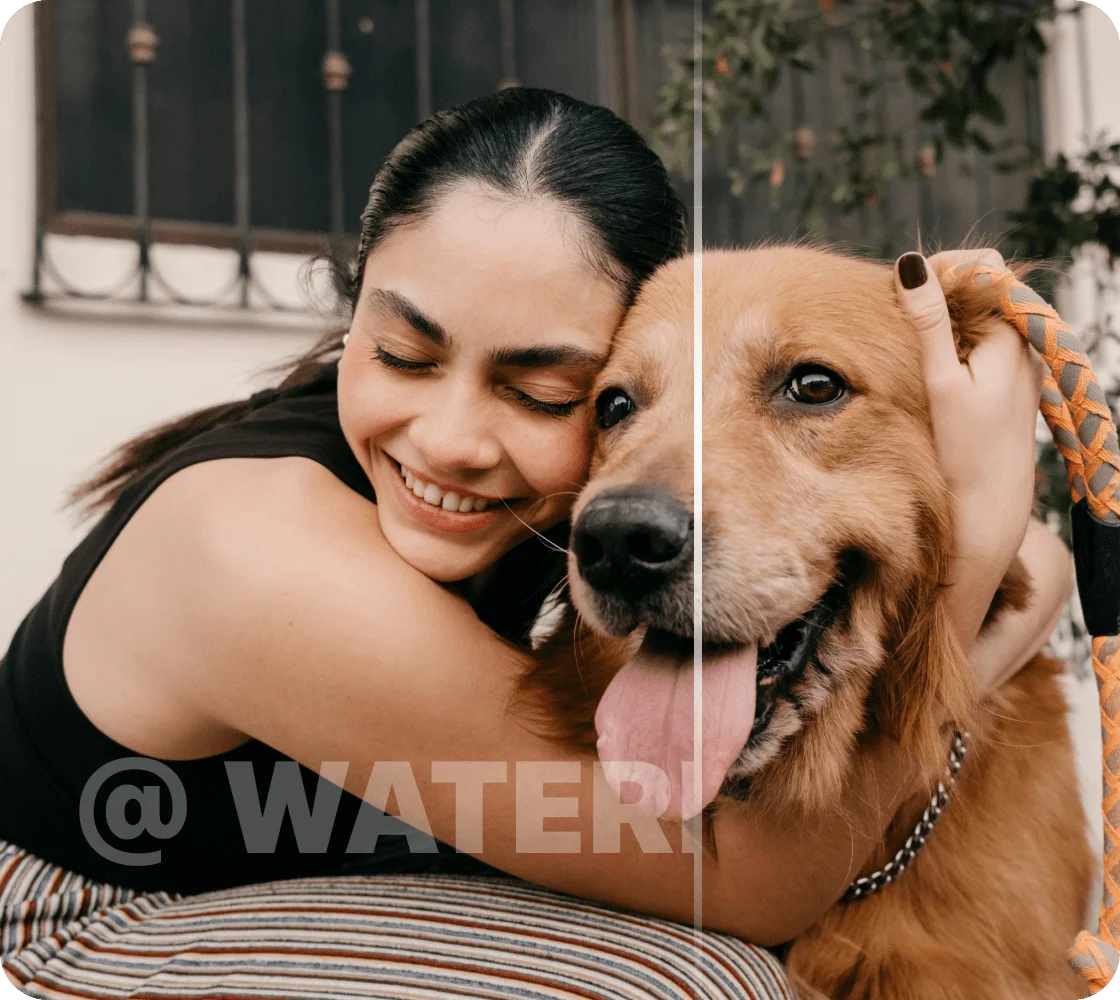
Vmake Labs image-to-image generation feature lets you create variations on a character, scene, composition, or visual concept with new elements based on existing visuals. Once made, you can use Vmake Labs HD photo converter to raise the resolution of your outputs.
-
Flexible aspect ratios and image generation settings
Adapt the generation settings to suit different creative needs and formats. That makes it easier to experiment with weird ideas for articles, social posts, creative projects, or other visual content.
Tips for making better weird AI images
Making a really interesting weird AI image isn't always about adding as many weird things as you can. A good outcome typically means giving the AI enough visual direction, and then adding one or more unexpected ideas.
-
Combine concepts that normally do not belong together.
Match unrelated subjects to create visual tension, and you're more likely to get interesting results. Giving detailed prompts, like a formal business meeting between animals, a medieval astronaut, or a giant dessert in a miniature city, gives more realistic results than if you just ask for something "weird."
-
Use specific visual details instead of relying on "weird" alone.
Use specific visual details: The word "weird" is subject to interpretation. Describe the exact unusual features you want, such as "a six-eyed fox wearing a velvet suit" or "a miniature city inside a transparent teacup."
-
Introduce impossible scale relationships.
Blow up things that we use every day or make people smaller. Scale changes are an easy way to create a scene that looks visually convincing but is impossible.
-
Mix realistic photography with surreal subjects.
Ask for cinematic lighting, realistic textures, natural shadows, shallow depth of field, or documentary-style photography, but make the subject impossible. This contrast can lead to a very striking result.
-
Experiment with unusual environments.
Put familiar objects into unfamiliar environments. Create a visual paradox. For example, a formal dinner underwater, a jungle inside a shopping mall, or an astronaut in a retro kitchen.
Conclusion
Weird AI images demonstrate how generative artificial intelligence can transcend traditional photography and illustration to venture into surreal, funny, uncanny, and experimental visual territory. Some strange outputs are caused by glitches in the generation process. Others are deliberately engineered around impossible combinations, unusual characters, distorted anatomy, or fictional scenarios.
The weirdest AI images often mix something familiar with one element that breaks all expectations. So, if you want to play with these ideas yourself, Vmake Labs AI Image Generator has Text-to-Image and Image-to-Image workflows that allow you to turn weird concepts into original visuals. Take a strange concept, add some visual details and keep playing until you have something that makes people do a double take.
FAQs
-
What are weird AI images?
Weird AI images are AI-generated images that contain surreal concepts, bizarre combinations, distorted anatomy, impossible situations, or surprising elements. They can be intentional weirdness, or they can be accidental errors of generation.
-
Why do AI image generators create weird images?
Complex anatomy, spatial relationships, object interactions, and ambiguous prompts can stump AI models. These limitations can lead to additional fingers, distorted faces, weird proportions, or impossible scenes.
-
Can I create weird AI images with Vmake Labs?
Yes, you can use Vmake Labs AI Image Generator to play with weird prompts, bizarre concepts, unexpected character combinations, and creative environments. Combine unrelated ideas for more distinctive results.
-
Are weird AI images always AI mistakes?
No. Some glitches are by accident, but some are by purpose, which are surreal art, memes, or experimental visuals. It may not be a failure to generate, but the intended result may be a strange-looking image.
-
Can weird AI images look real?
Yes. Even if the subject itself is impossible, modern AI image generators can create highly realistic lighting, textures, environments, and photographic compositions. That is why it is important to flag realistic-looking fictional images as AI-generated where needed.
You May Be Interested
Best AI Image Generator: 10 Top Picks for 2026 Review

FLUX AI Image Generator Review 2026: Is It Worth Using?
Grok Image Generator Review: Is It Worth Using in 2026?
Pixelcut Image Upscaler Review: Tested & Worth It?
Fotor AI Image Generator: Honest Review Plus Best Alternative
