Interior Design Mood Board: Ideas, Prompts, Tips, and Mistakes
Discover interior design mood board ideas and prompts for different styles. Additionally, learn how to create cohesive boards with Vmake Labs AI Image Generator.

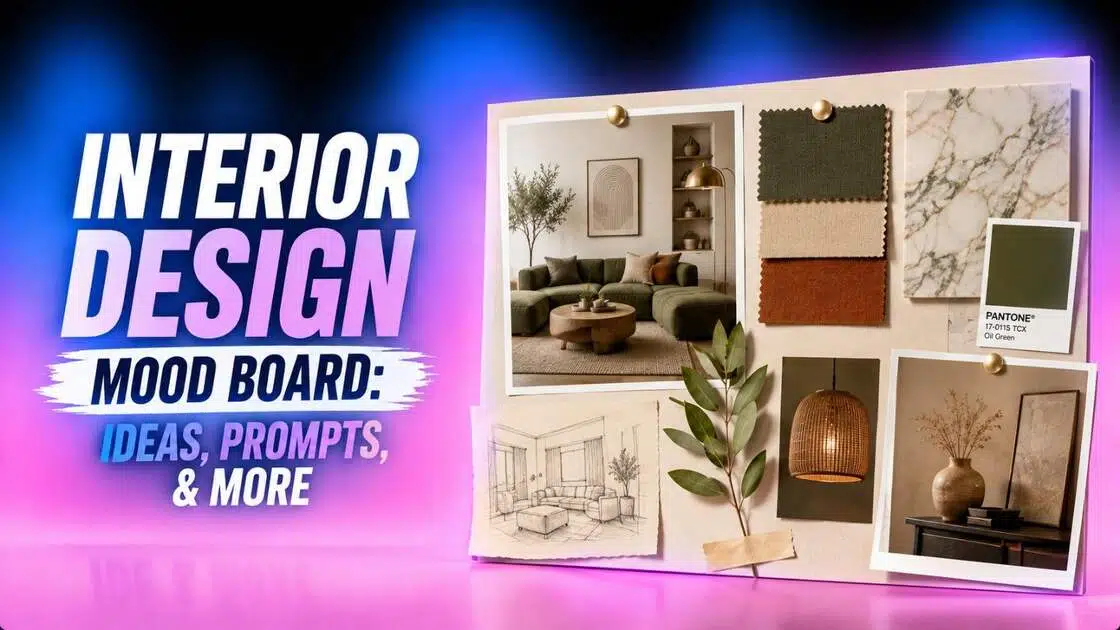
An interior design mood board helps you turn scattered design ideas into a clear visual direction. By combining colors, furniture, materials, textures, lighting, and decorative elements, you can explore how different choices work together before finalizing a space. Whether you are planning a bedroom makeover or developing a complete home concept, mood boards make it easier to organize inspiration and communicate your intended aesthetic.
What is an interior design mood board?
An interior design mood board is a visual collection of images, colors, materials, furniture, textures, and decorative references that represent a room’s intended style. It helps you organize creative ideas into one cohesive concept, making it easier to explore design directions and evaluate how individual elements complement one another.
Benefits of using an interior design mood board
A mood board can simplify the planning process by giving you a visual reference for comparing and organizing different interior design decisions.
-
Visualize an interior concept: A mood board lets you see how furniture, colors, textures, lighting, and decorative elements might work together before making design decisions.
-
Establish a consistent style: Combining carefully selected references helps you define a recognizable aesthetic and maintain consistency across furniture, finishes, accessories, and other interior elements.
-
Coordinate colors, materials, and textures: You can place color swatches, fabric references, wood finishes, metals, and surface textures together to create a more coordinated material palette.
-
Communicate ideas more clearly: A visual board gives designers, clients, decorators, or collaborators a shared reference, making abstract design preferences easier to discuss and understand.
-
Guide interior design decisions: Your mood board can act as a visual guide when selecting furniture, paint colors, lighting, accessories, materials, and other elements for the final space.
Interior mood board design ideas and prompts
The right mood board can help you explore different aesthetics before settling in a specific direction. Here are ten interior design mood board examples, each paired with a prompt you can use to generate visual references.
-
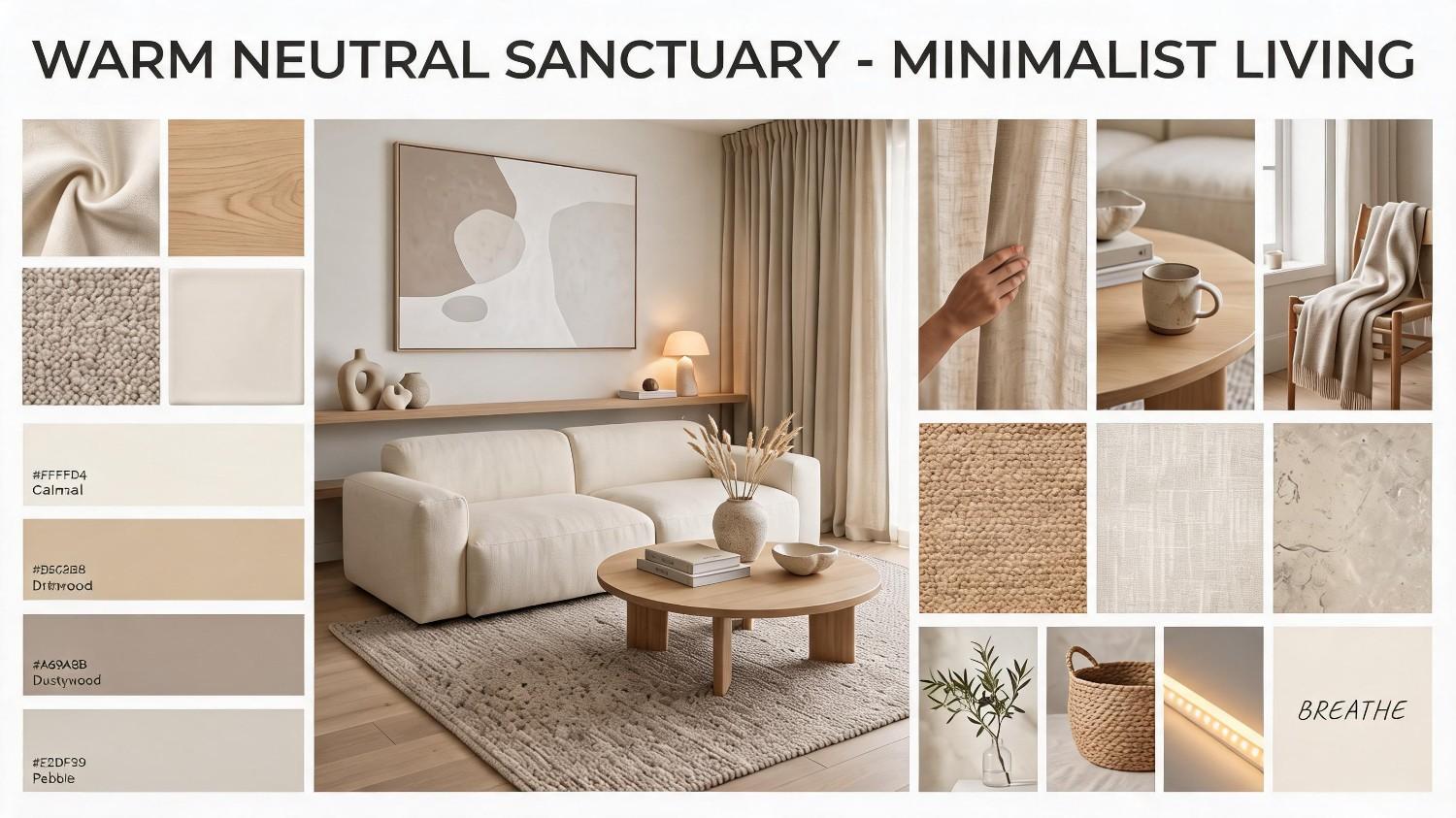
Minimalist neutral living room mood board
Prompt:
Create an interior design mood board for a minimalist neutral living room featuring warm white, beige, taupe, and soft gray tones, a low-profile cream sofa, light oak coffee table, textured linen curtains, subtle ceramic decor, natural wood accents, soft wool rug, minimal wall art, warm ambient lighting, clean architectural lines, uncluttered composition, contemporary editorial interior photography, cohesive and sophisticated atmosphere.
-
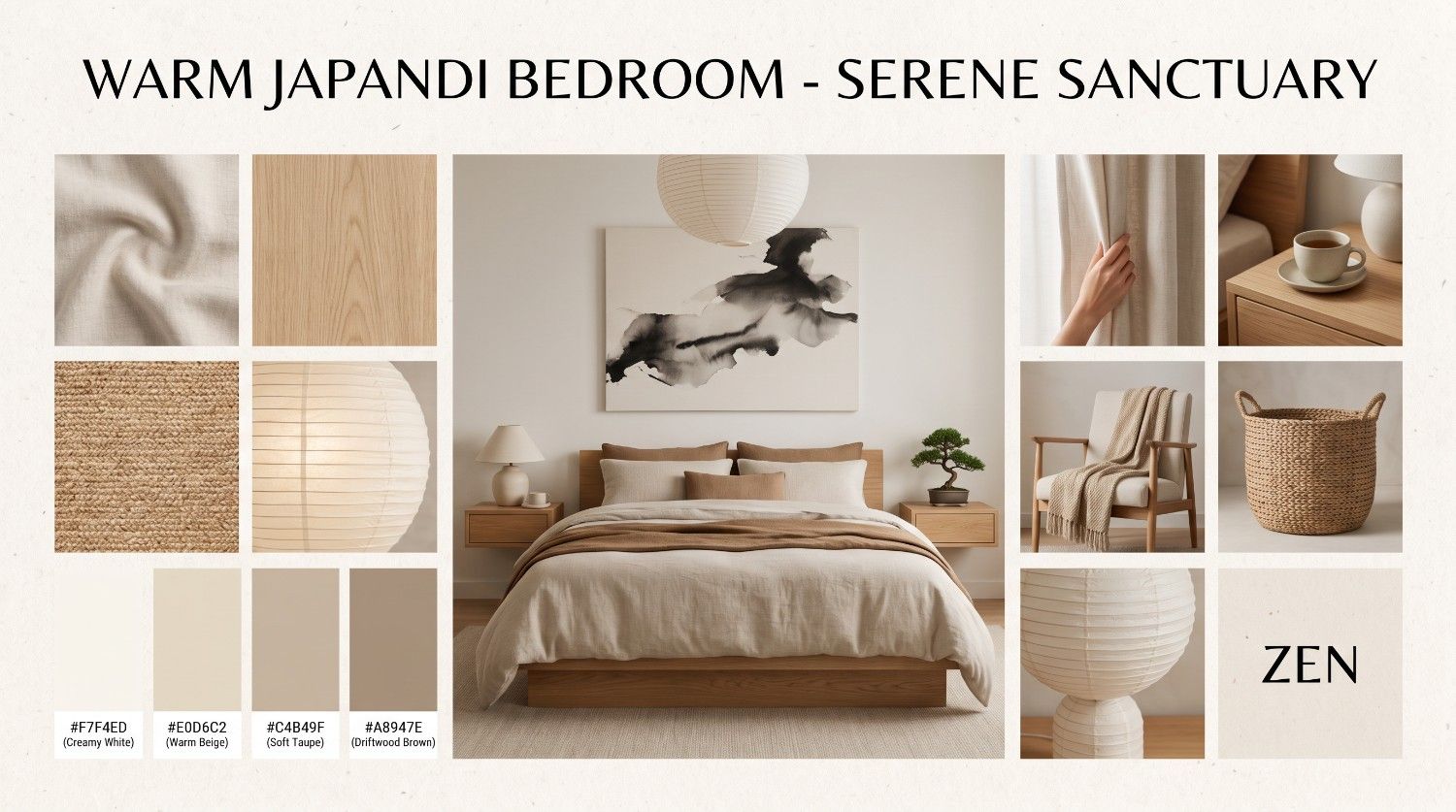
Warm Japandi bedroom mood board
Prompt:
Create a warm Japandi bedroom interior design mood board featuring muted beige, warm white, soft brown, and natural wood tones, low-profile wooden bed, linen bedding, oak nightstands, woven textures, simple ceramic accessories, paper pendant lighting, subtle greenery, minimal wall decor, natural materials, clean lines, soft daylight, serene and balanced atmosphere, sophisticated interior editorial style.
-
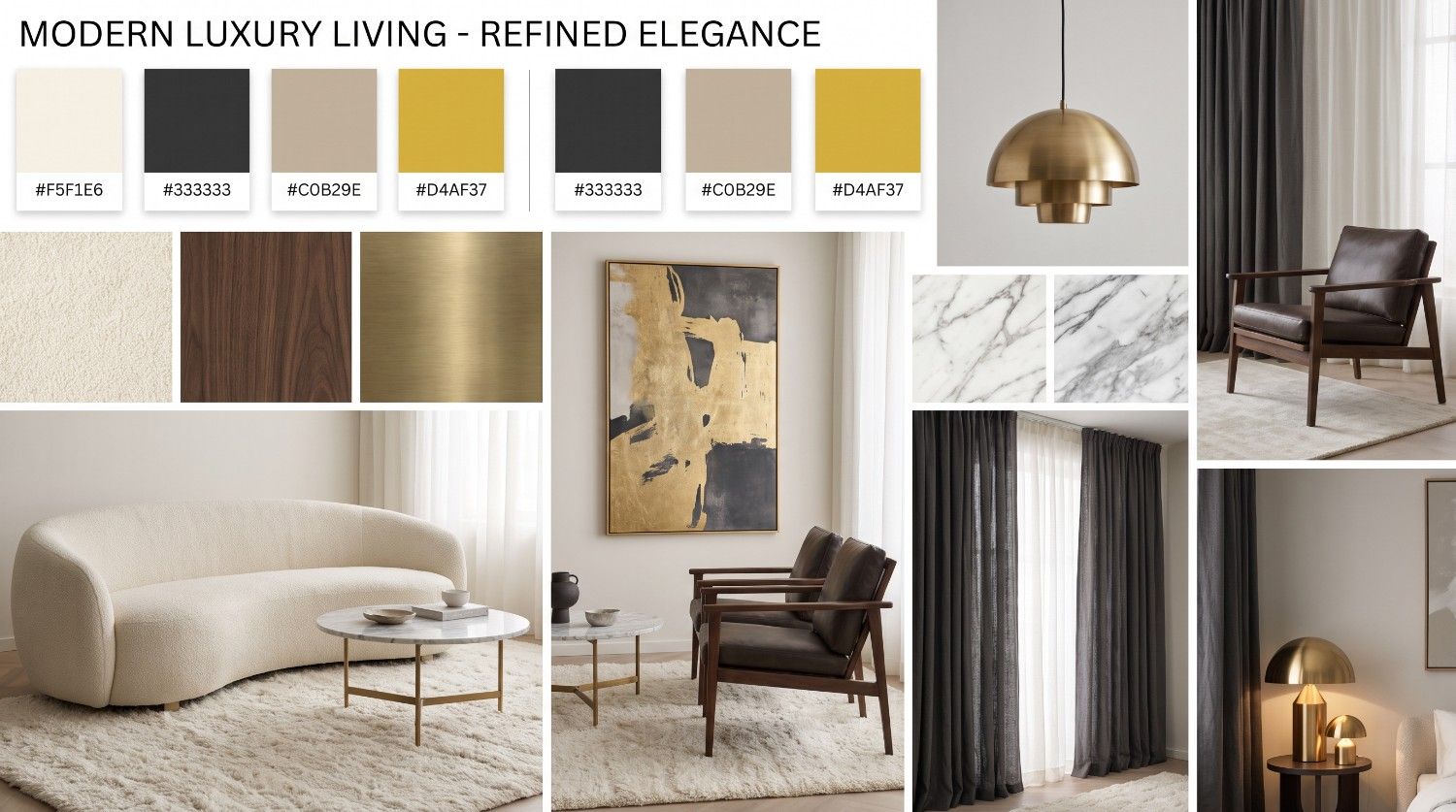
Modern luxury living room mood board
Prompt:
Create a modern luxury living room interior design mood board featuring ivory, charcoal, warm beige, and subtle gold accents, sculptural cream sofa, marble coffee table, dark wood furniture, brushed brass details, plush textured rug, contemporary artwork, statement pendant light, floor-to-ceiling curtains, layered ambient lighting, refined materials, sophisticated composition, high-end contemporary interior editorial photography.
-
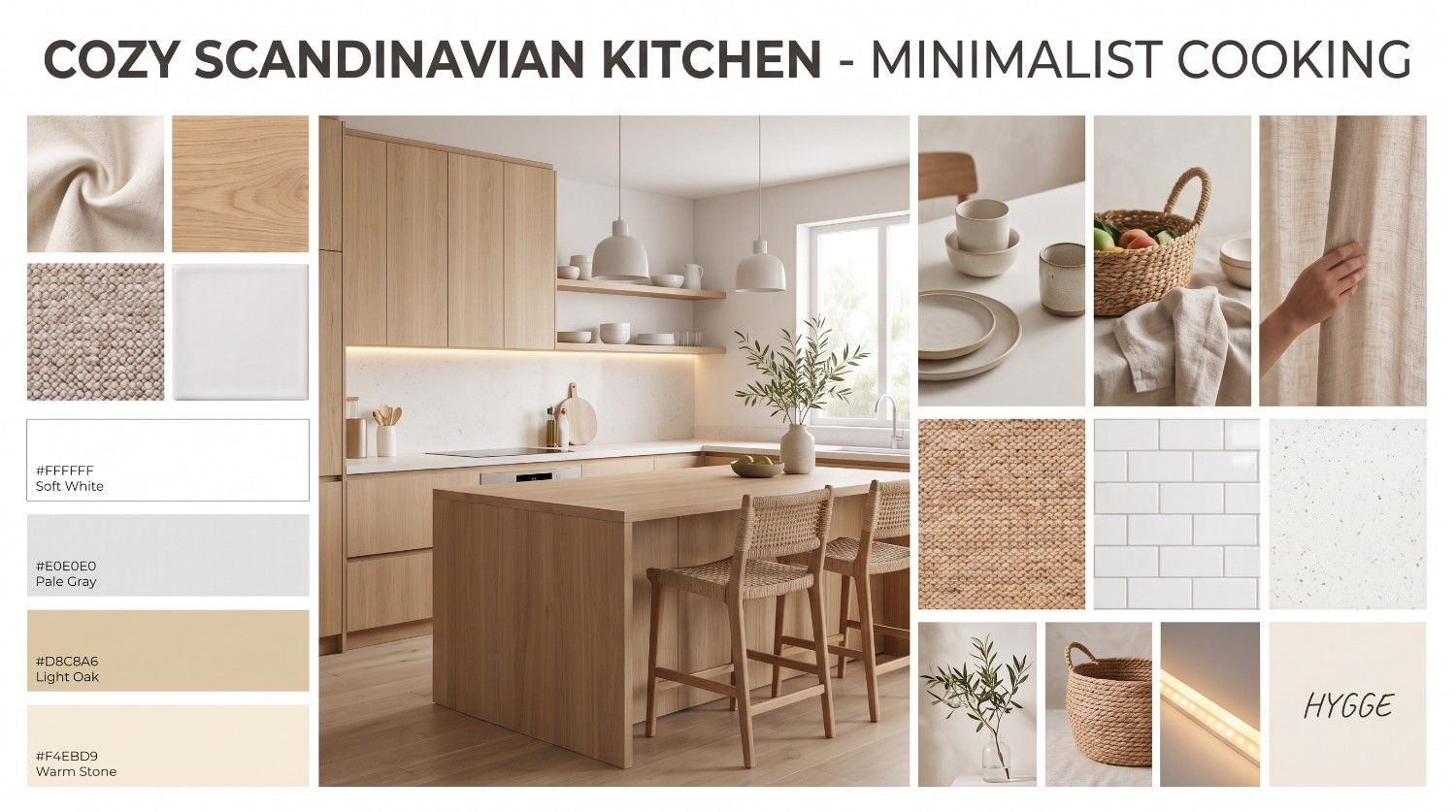
Cozy Scandinavian kitchen mood board for interior design
Prompt:
Create a cozy Scandinavian kitchen interior design mood board featuring soft white, pale gray, and light oak tones, flat-panel cabinetry, natural wood island, white stone countertop, simple pendant lights, woven textiles, open shelving, ceramic dishes, subtle greenery, warm under-cabinet lighting, natural daylight, clean functional layout, understated Nordic aesthetic, inviting editorial interior photography.
-
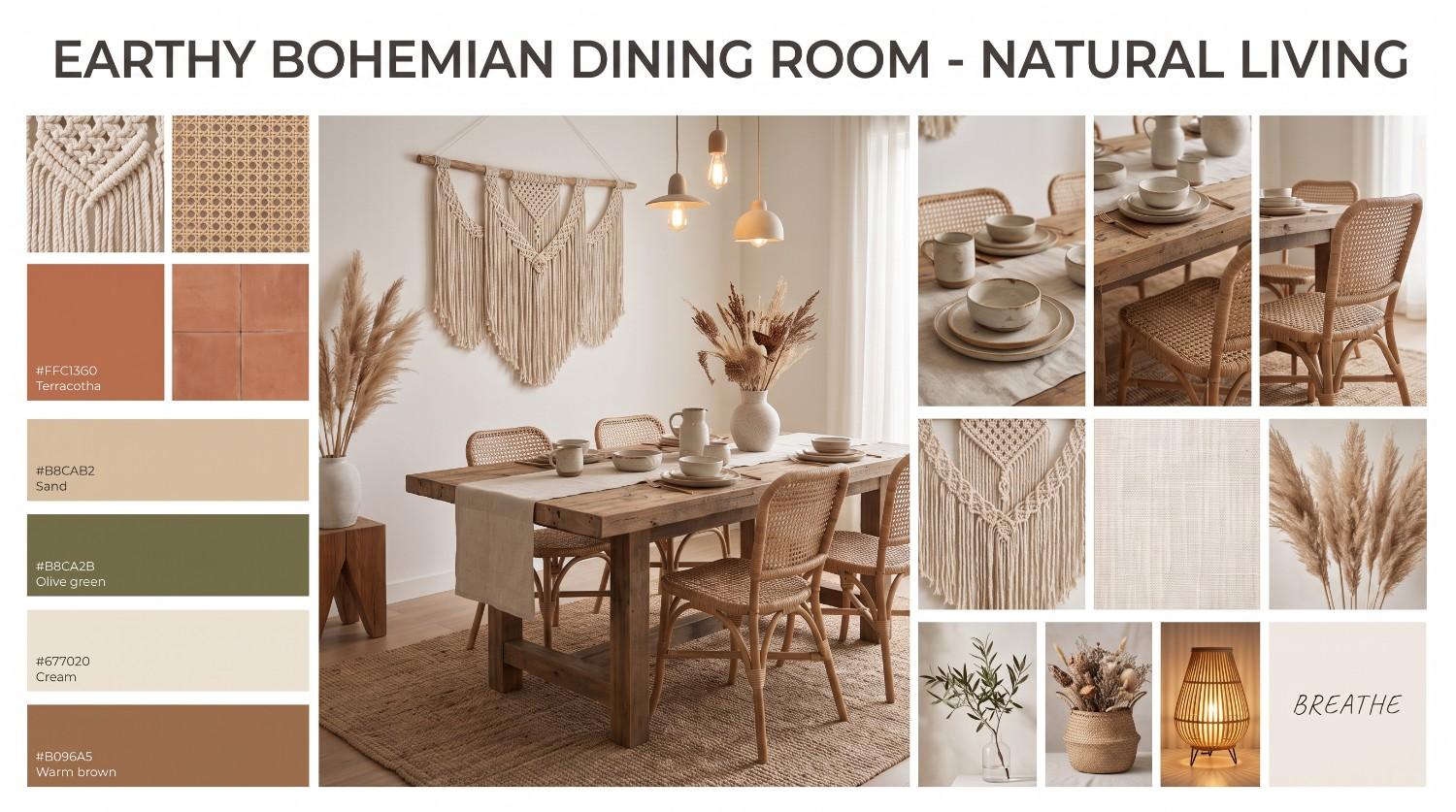
Earthy Bohemian dining room mood board
Prompt:
Create an earthy bohemian dining room interior design mood board featuring terracotta, sand, olive green, cream, and warm brown tones, rustic wooden dining table, woven rattan chairs, handmade ceramics, macramé wall decor, textured linen table setting, dried grasses, natural fiber rug, warm pendant lighting, organic materials, layered textures, relaxed artistic atmosphere, cohesive bohemian interior editorial style.
-
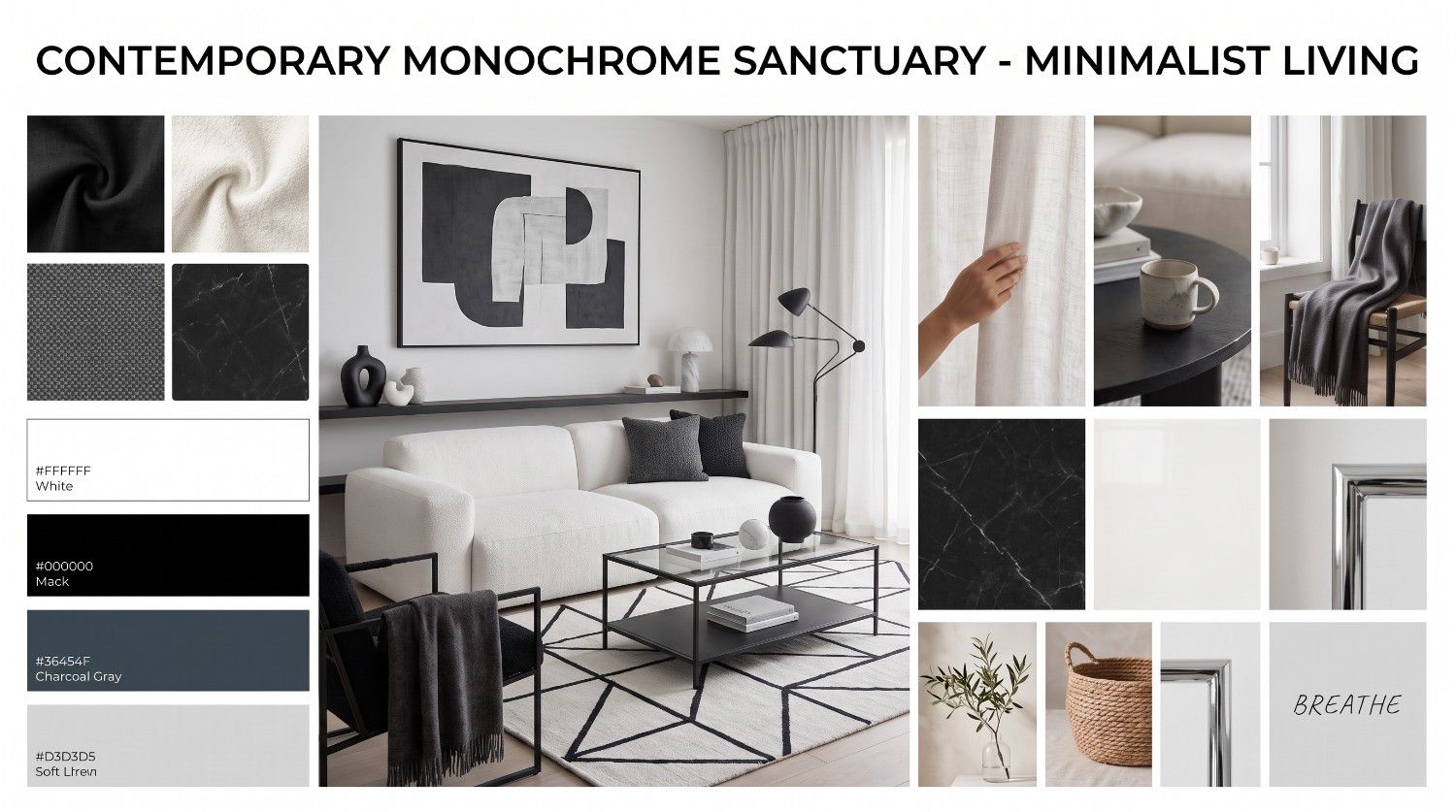
Contemporary black-and-white interior mood board
Prompt:
Create a contemporary black-and-white interior design mood board featuring crisp white, matte black, charcoal, and soft gray tones, modern modular sofa, black metal coffee table, monochrome abstract artwork, geometric rug, sculptural lighting, textured cushions, minimalist accessories, polished and matte surfaces, strong architectural lines, balanced contrast, sophisticated contemporary atmosphere, clean editorial interior photography.
-
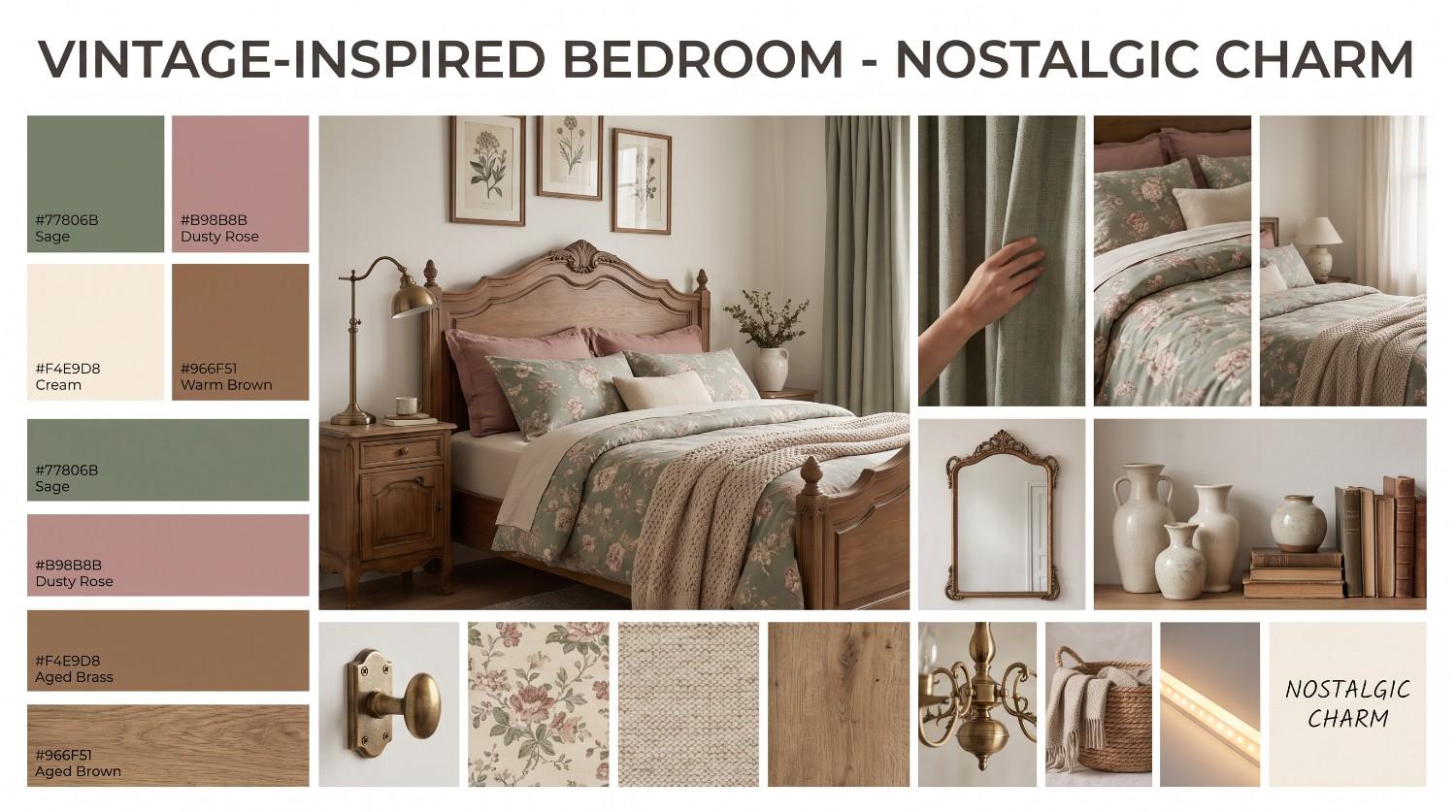
Vintage-inspired bedroom mood board
Prompt:
Create a vintage-inspired bedroom interior design mood board featuring muted sage green, dusty rose, cream, and warm brown tones, antique wooden bed frame, vintage bedside table, floral patterned bedding, aged brass lighting, ornate mirror, framed botanical prints, textured curtains, woven rug, classic decorative objects, soft warm lighting, nostalgic yet refined atmosphere, detailed interior editorial photography.
-
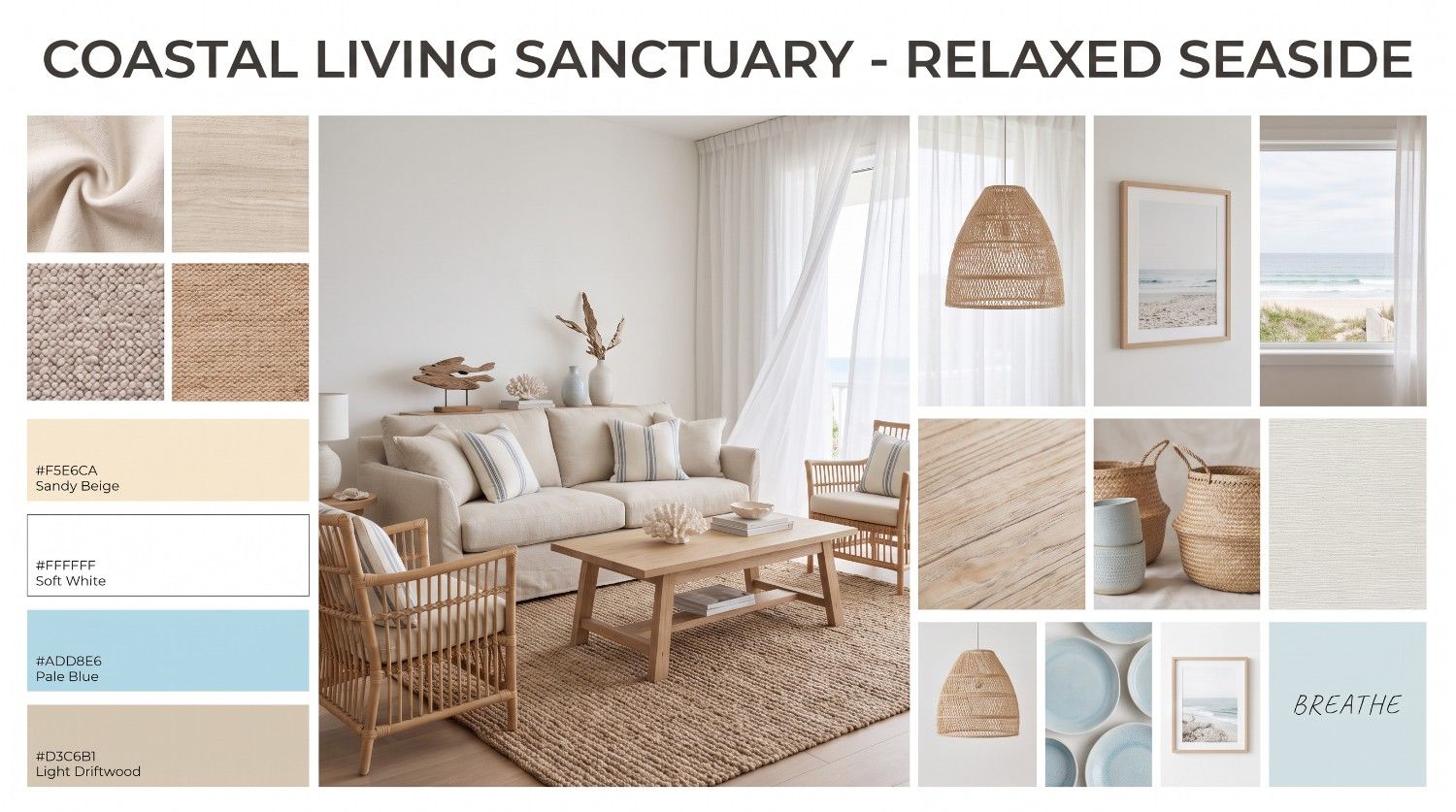
Coastal living room mood board interior design
Prompt:
Create a coastal living room interior design mood board featuring sandy beige, soft white, pale blue, and light driftwood tones, comfortable linen sofa, light oak coffee table, woven rattan chairs, jute rug, sheer curtains, subtle nautical-inspired decor, ceramic accessories, natural textures, abundant daylight, airy open composition, relaxed seaside atmosphere, sophisticated coastal editorial interior photography.
-
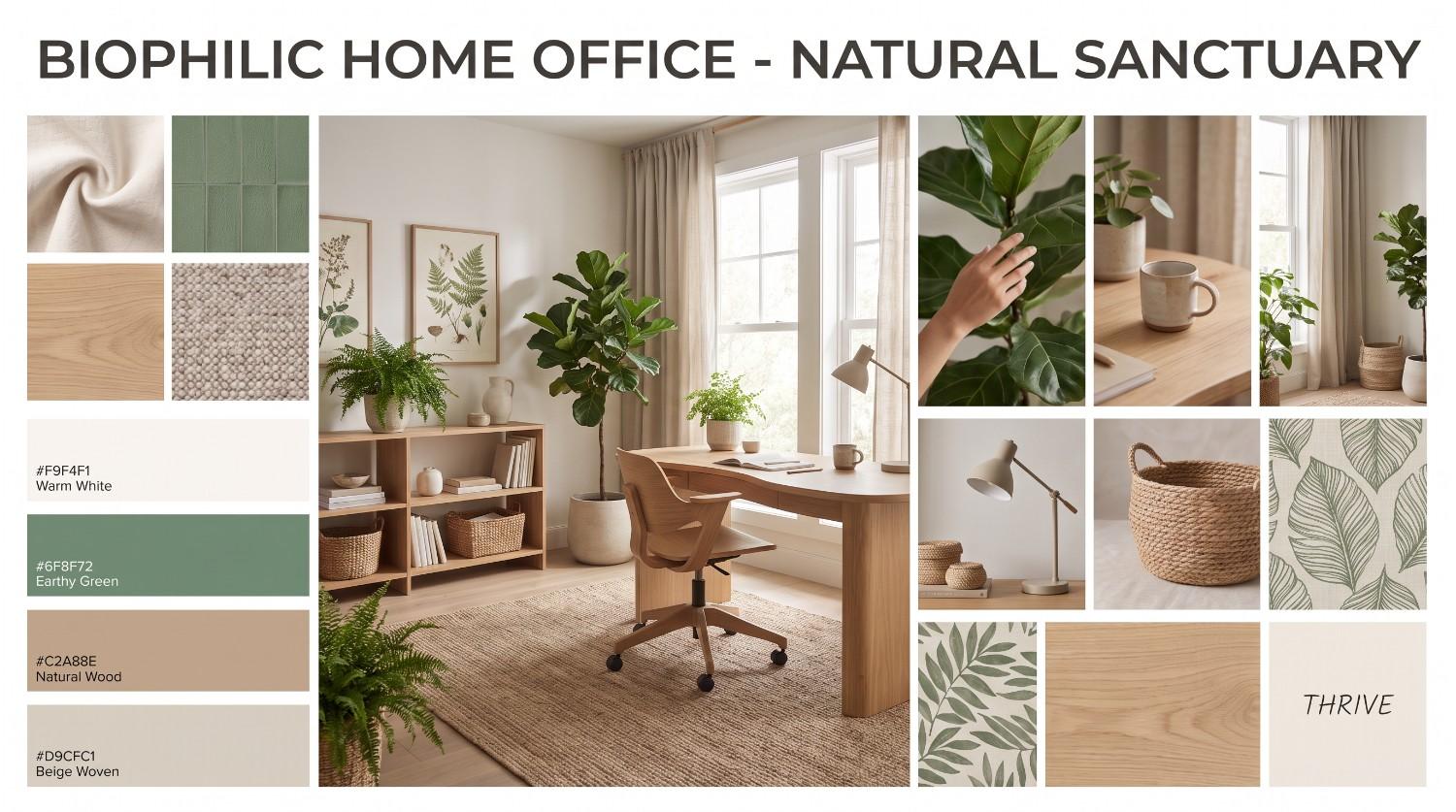
Biophilic home office mood board
Prompt:
Create a biophilic home office interior design mood board featuring warm white, earthy green, natural wood, and beige tones, ergonomic wooden desk, comfortable chair, large indoor plants, botanical artwork, woven storage baskets, natural fiber rug, wood shelving, organic shapes, large windows with abundant daylight, soft ambient lighting, calm productive atmosphere, contemporary biophilic interior editorial photography.
-
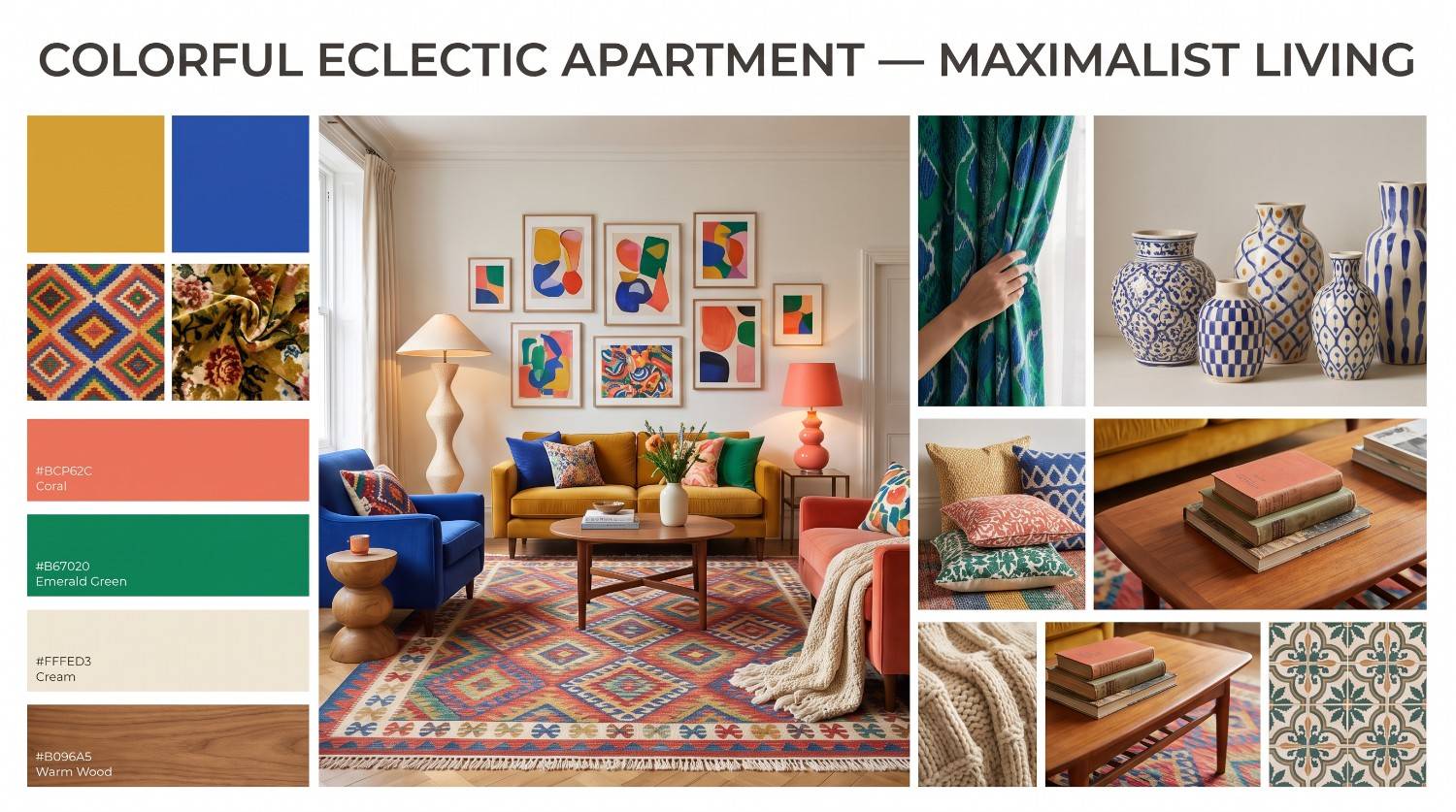
Colorful eclectic apartment mood board
Prompt:
Create a colorful eclectic apartment interior design mood board featuring mustard yellow, cobalt blue, coral, emerald green, cream, and warm wood tones, mixed vintage and contemporary furniture, patterned area rug, colorful abstract artwork, sculptural lighting, decorative ceramics, patterned cushions, layered textiles, curated objects, balanced composition, expressive yet cohesive atmosphere, vibrant editorial interior photography.
Best practices for creating interior design mood boards
A strong mood board should communicate one clear design direction without feeling repetitive or disconnected. These practices can help you organize references and create a more cohesive visual concept.
Define your interior style and visual direction
Start by deciding the overall aesthetic, such as Japandi, Scandinavian, industrial, coastal, or contemporary. A defined direction helps you select references that support the same design language.
Build a consistent color and material palette
Choose a manageable combination of dominant, secondary, and accent colors, then connect them with complementary materials. Repeating wood, stone, metal, or fabric finishes can strengthen visual consistency.
Balance furniture, decor, textures, and lighting
Include different types of references rather than focusing only on furniture. Show how decorative objects, textiles, lighting, surfaces, and architectural details contribute to the overall interior concept.
Keep visual references cohesive
Select images that share similar tones, proportions, lighting conditions, or styling characteristics. Consistent references make it easier to understand the intended atmosphere and prevent the mood board from appearing fragmented.
Interior design mood board prompting tips and common mistakes to avoid
When generating mood board references with AI, specific prompts can make your intended design direction easier to communicate. At the same time, avoiding common mistakes can keep your generated concepts focused and consistent.
Interior design mood board prompting tips |
Common mistakes to avoid |
|---|---|
|
Describe the room and design style clearly: Mention the specific room and desired aesthetic at the beginning of your prompt. Terms such as “Japandi bedroom” or “modern luxury living room” establish a clear starting direction. |
Mixing too many design styles: Combining unrelated aesthetics such as industrial, coastal, and maximalist styles can make the visual direction unclear. Choose one primary style and add complementary influences sparingly. |
|
Specify colors, materials, furniture, and lighting: Include important visual components such as color palettes, furniture types, wood finishes, fabrics, flooring, and lighting. Specific details help define the intended interior concept. |
Using inconsistent colors and materials: Introducing unrelated colors, finishes, or materials can weaken the relationship between references. Establish a defined palette and repeat key materials throughout the mood board. |
|
Add composition and atmosphere details: Describe the desired composition, lighting conditions, camera perspective, and atmosphere. These details can help create references that feel visually connected rather than randomly assembled. |
Choosing unrelated reference images: Individual images may look appealing but still fail to support the same concept. Check whether each reference contributes to your chosen style, palette, materials, or atmosphere. |
|
Refine prompts with specific visual elements: If the first result does not match your direction, adjust individual details instead of completely rewriting the concept. Add or remove furniture, colors, textures, or lighting characteristics as needed. |
Overloading the mood board: Too many images, colors, patterns, or decorative elements can make the board difficult to interpret. Prioritize references that communicate the strongest and most relevant design ideas. |
|
Keep prompts focused and structured: Organize your prompt around the room, style, palette, furniture, materials, lighting, and atmosphere. A focused description is generally easier to refine than an overly complicated collection of instructions. |
Writing vague or overly complex prompts: Prompts such as “make it beautiful” provide little visual direction, while excessive unrelated details can dilute the concept. Use specific descriptions without adding unnecessary information. |
Create interior design mood boards with Vmake Labs AI image generator
Vmake Labs AI Image Generator can help you turn written interior concepts into visual references using text prompts.
Instead of collecting every reference manually, you can describe the room, design style, color palette, furniture, materials, textures, lighting, and atmosphere you want to explore. This gives you a way to visualize different directions before organizing your final mood board.
You can experiment with minimalist, Japandi, Scandinavian, contemporary, coastal, bohemian, or other interior styles and adjust your prompts as your concept develops. The generated images can then serve as visual references when comparing layouts, decorative elements, materials, and overall design directions.
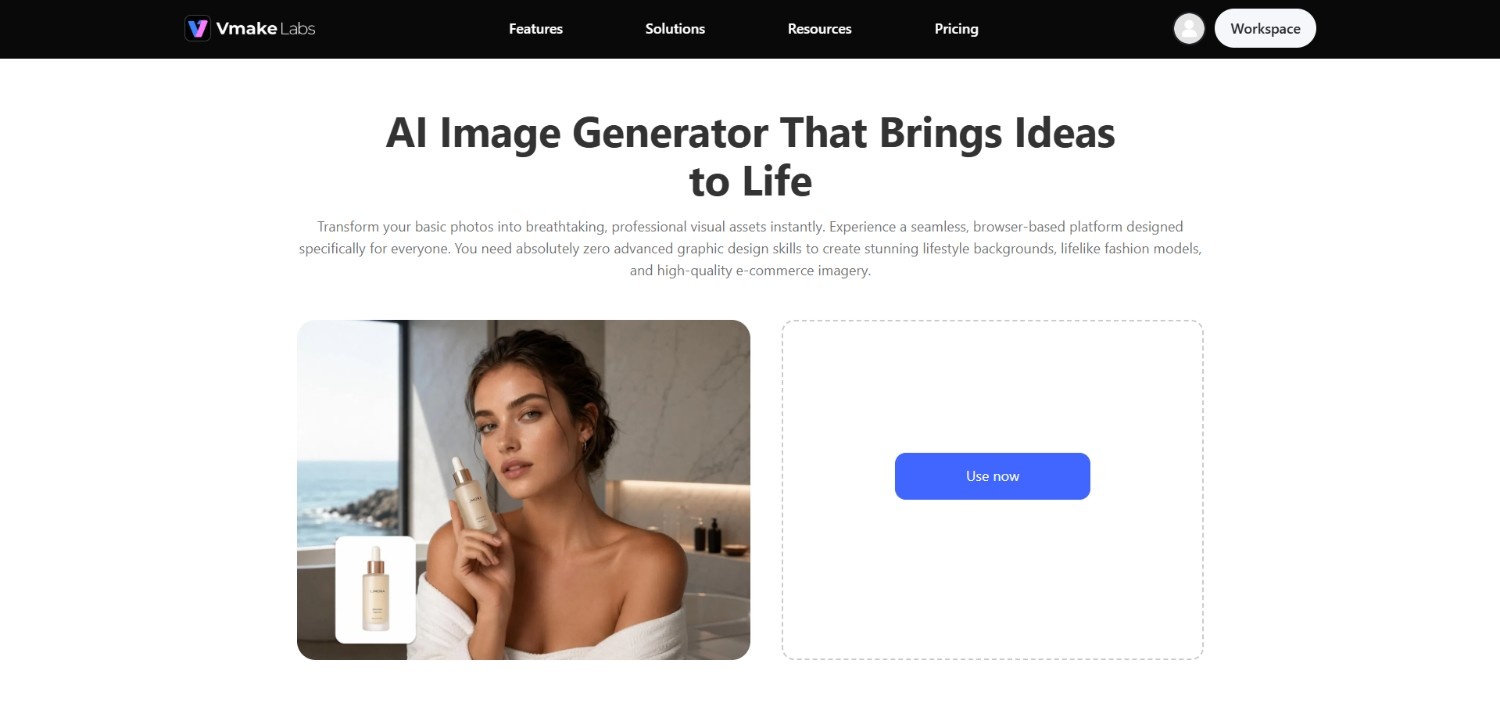
Key features of Vmake Labs AI image generator
-
Text-to-image generation: Turn written interior design descriptions into visual concepts by describing the room, aesthetic, colors, furniture, materials, lighting, and other elements you want to include in your reference.
-
Flexible style exploration: Explore different interior aesthetics by changing your prompts. You can experiment with room styles, color combinations, decorative approaches, materials, and visual directions to compare potential concepts.
-
Detailed scene creation: Add specific details about furniture, surfaces, textures, lighting, layouts, accessories, and architectural elements. More detailed descriptions can help you communicate the visual characteristics you want to explore.
-
Fast concept iteration: Generate different visual directions and adjust your prompts as your ideas evolve. You can modify individual elements, compare concepts, and continue developing references for your mood board.
How to create a mood board for interior design with Vmake Labs?
Step 1: Access Vmake Labs AI image generator
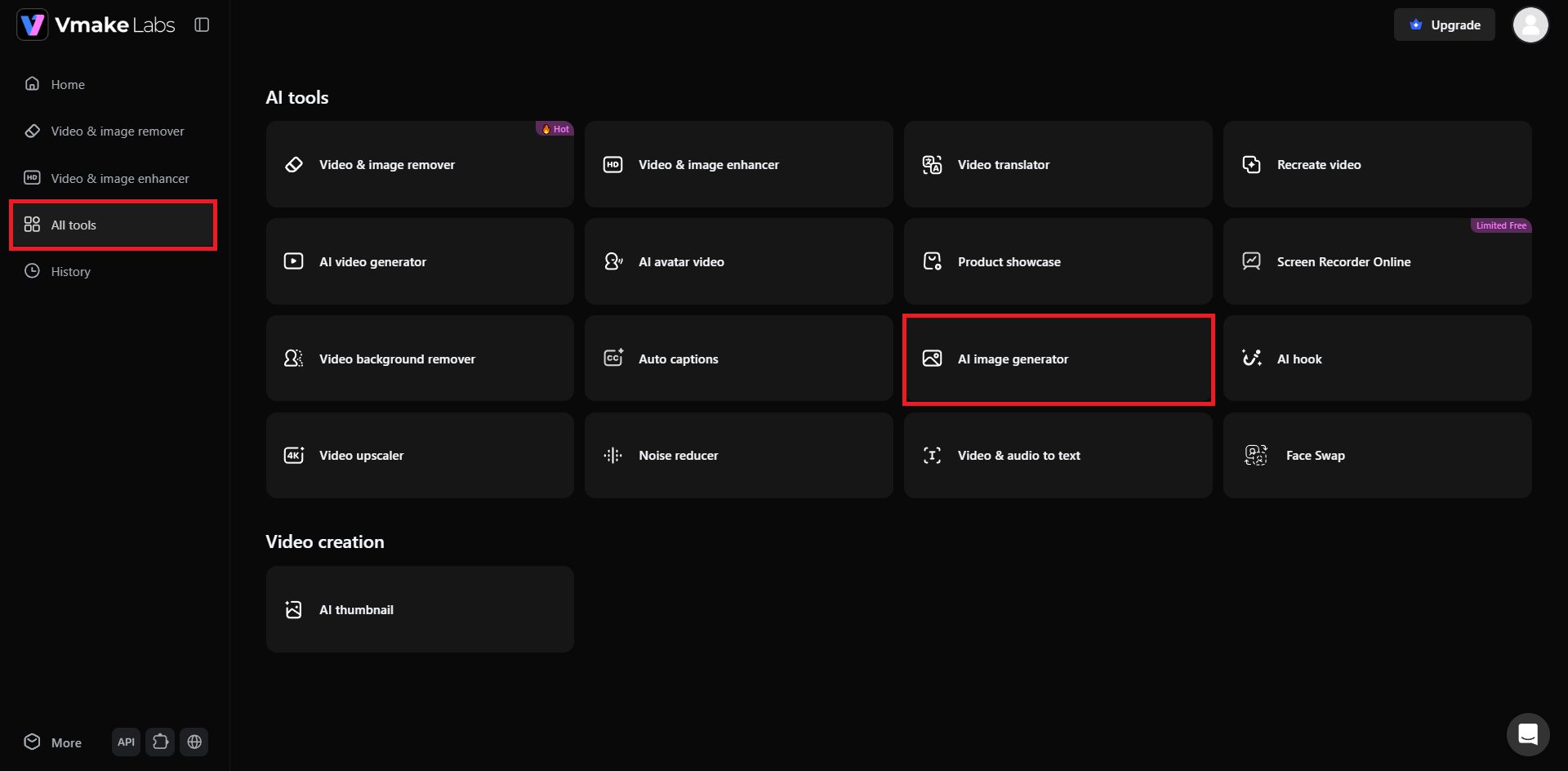
Kickstart the process by first accessing Vmake Labs official website and then signing up for an account. After logging in, select the "All tools" option from the left-hand menu, and then proceed to choose the "AI image generator" tool, to start creating your interior design mood board.
Step 2: Enter prompt for creating your interior design mood board
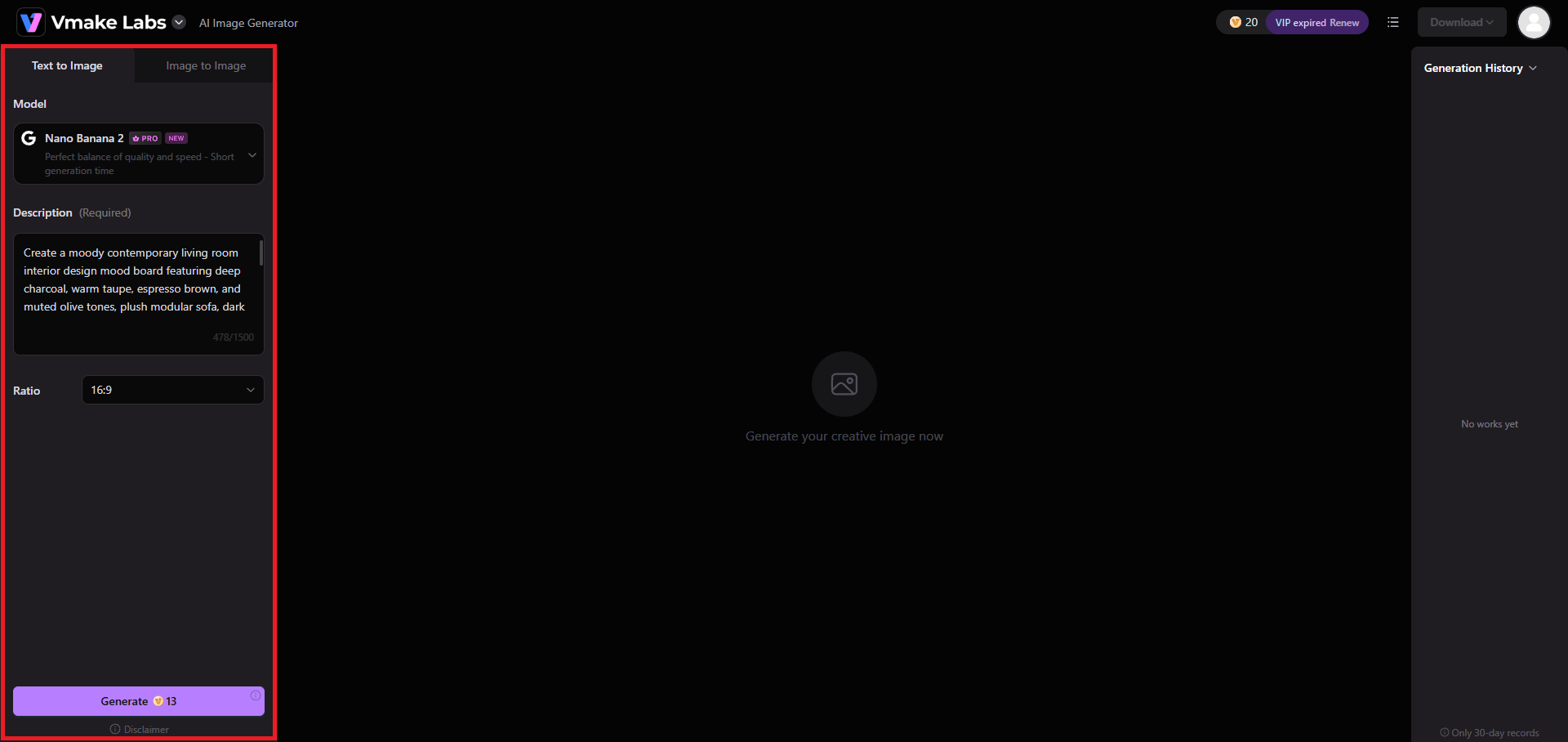
In the next step, you will need to choose your image generation process, either between "Text to Image" or "Image to Image". After that, select your preferred AI image generation model (GPT Image, Seedream 4.0, or Nano Banana 2, etc.), and then enter a detailed prompt, regarding the type of mood board you want to create. Finally, select your image aspect ratio and click on "Generate".
Step 3: Export the interior design mood board
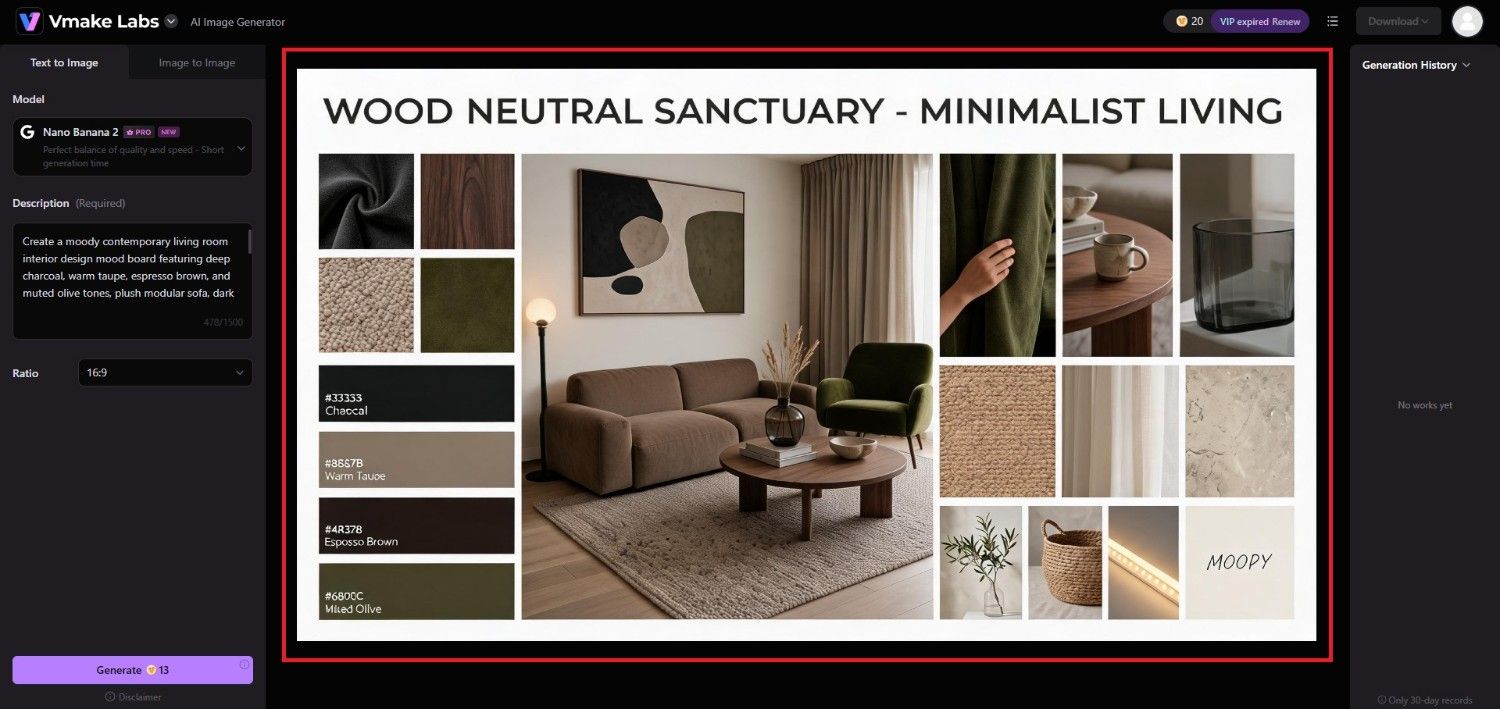
Vmake Labs will generate visual references for an interior mood board and once that is completed, you will be able to successfully download it to your local device for usage or sharing purposes.
Conclusion
An interior design mood board can bring different creative decisions together into one visual reference.
By defining your preferred style, selecting a consistent color and material palette, and balancing furniture, textures, lighting, and decorative elements, you can create a clearer design direction. AI image generators can also help you explore concepts through detailed text prompts and quickly compare different visual approaches.
Whether you are planning a single-room update or developing a broader interior concept, keeping your mood board focused and cohesive can make the creative planning process more organized and easier to communicate.
FAQs
-
What should an interior design mood board include?
An interior design mood board can include room references, furniture, color swatches, materials, textures, lighting, artwork, accessories, architectural details, and other visual elements that communicate the intended design direction.
-
How many images should an interior design mood board have?
There is no fixed number of images required. Choose enough references to communicate the room’s style, colors, materials, furniture, and atmosphere without making the board visually crowded or difficult to understand.
-
How do you choose a color palette for a mood board?
Start with a dominant color, then select complementary secondary shades and one or two accent colors. Check that the palette works with your chosen furniture, materials, lighting, and overall interior style.
-
Can AI generate interior design mood board images?
Yes. AI image generators can create visual references from text prompts describing rooms, design styles, colors, furniture, materials, lighting, textures, and other elements that support an interior concept.
-
How do you write interior design mood board prompts?
Describe the room and design style first, then specify colors, furniture, materials, textures, lighting, composition, and atmosphere. Use concrete visual details so the prompt communicates your intended concept clearly.
You May Be Interested
Top 10 Mood Board Ideas to Inspire Your Next Project
AI Tattoo Design: Ideas, Prompts, and Style Concepts for Custom Ink
12 Logo Ideas & Prompts: Best Creative Brand Designs (2026)
X-Design Video Enhancer 2026 Review: Features & Pricing