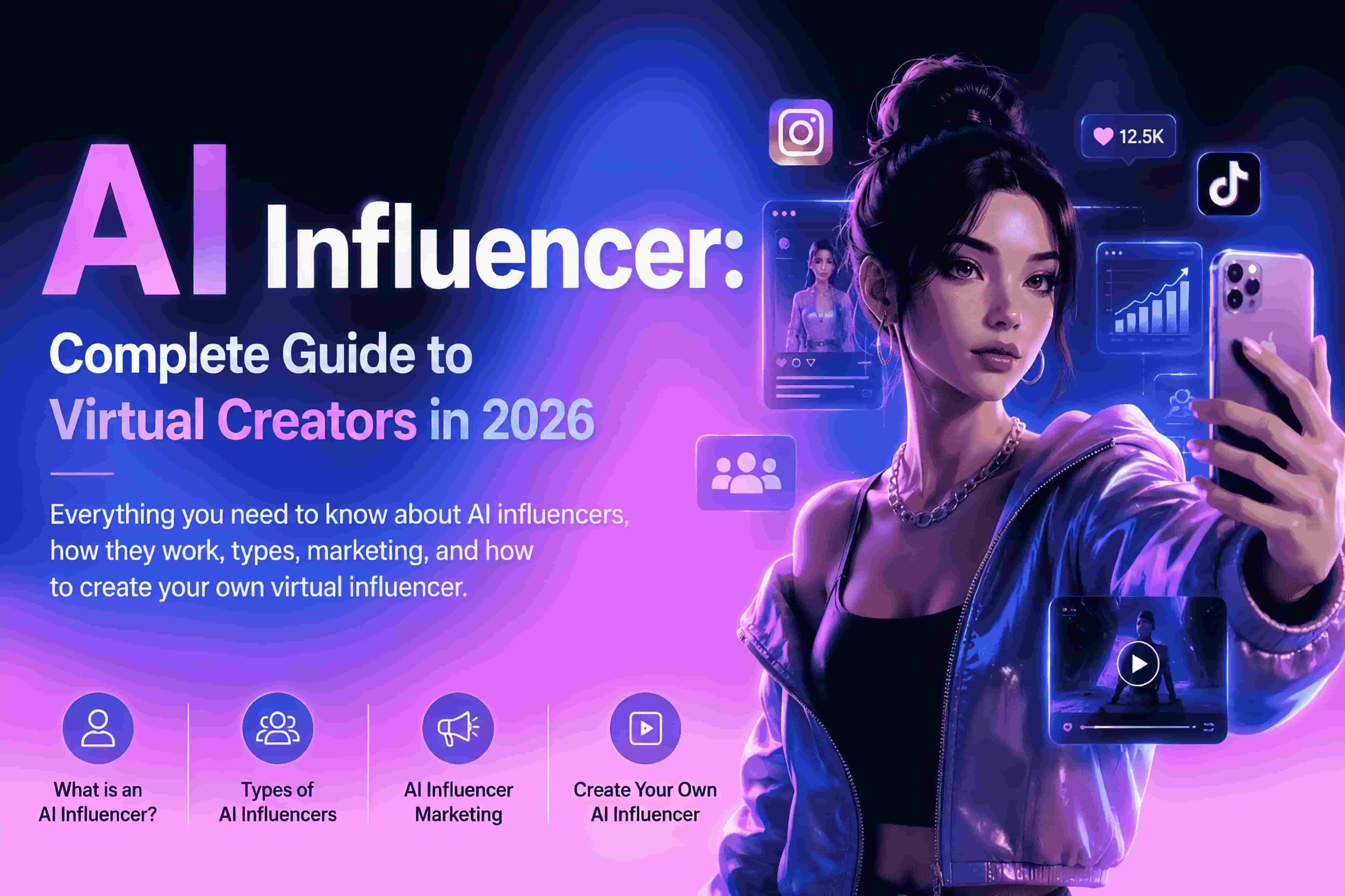
AI Influencer: Complete Guide to Virtual Creators in 2026
AI influencers are reshaping social media and digital marketing. Discover different types of virtual creators, how they work, and how tools like Vmake AI can help bring AI influencers to life.
AI influencers are transforming how brands create content and connect with audiences online. These virtual personalities appear across social media, marketing campaigns, and e-commerce platforms. As AI technology advances, businesses and creators are exploring new opportunities to build digital identities, engage followers, and support growth through virtual creators.
What Is an AI Influencer?
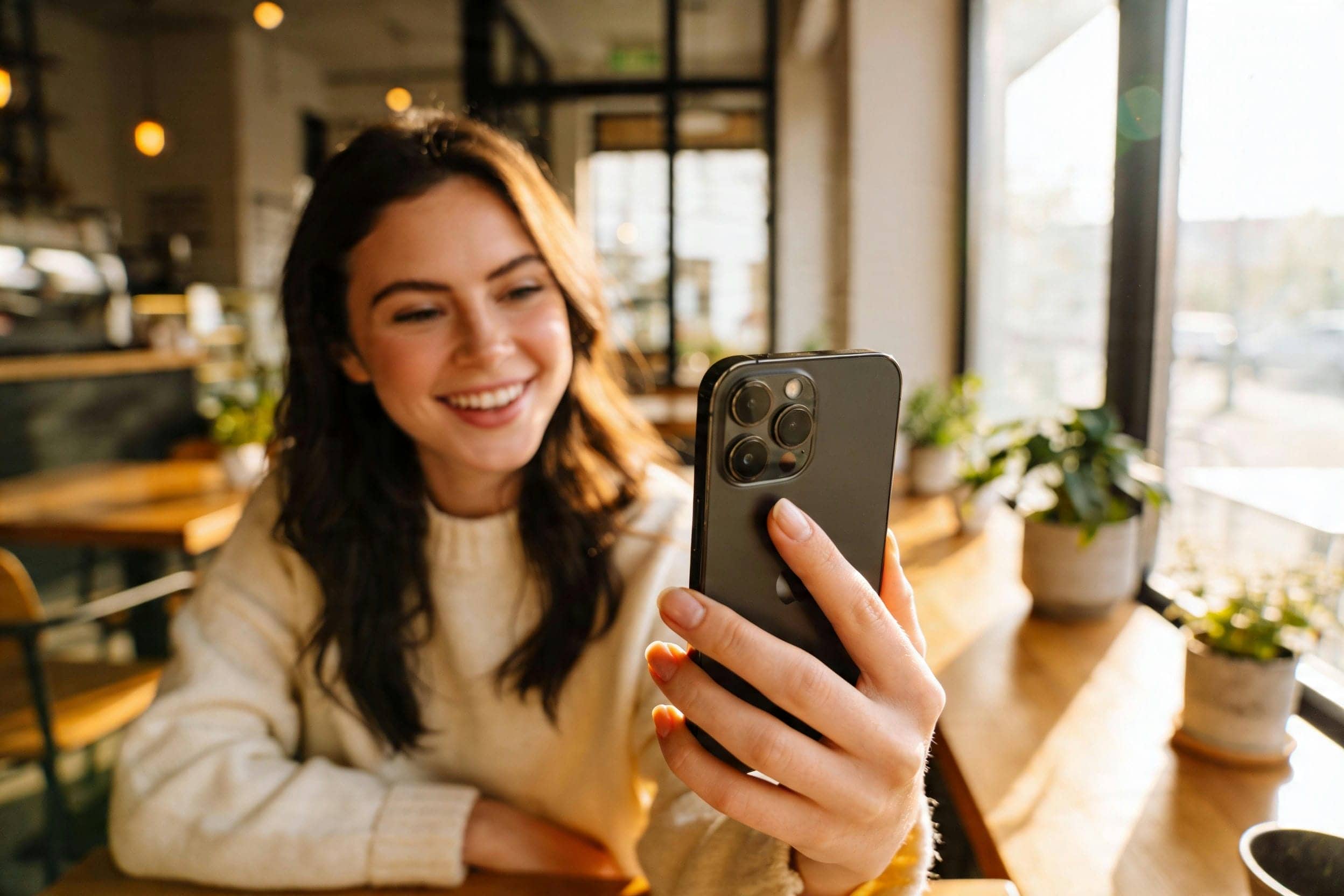
An AI influencer is a computer-generated character programmed to mimic a human social media creator, built using AI image generation, clever design tools, and CGI. While some are created for fun or art, many are built from day one to grow brand awareness and sell things, posting photos, replying to comments, and signing brand deals just like anyone else.
The key difference between AI influencers and human creators is total control and flexibility. Real creators get tired, have bad days, or say things that get them canceled. An AI influencer does exactly what it's told, meaning the messaging is always on point.
Why AI Influencers Are Transforming Social Media
Digital characters are genuinely changing how internet culture moves, transforming into efficient marketing assets that run 24/7. The sheer number of these accounts has exploded across TikTok, Instagram, YouTube, and everywhere else, allowing even smaller businesses to launch virtual creators. Instagram is really where this blew up, as the visual platform is the perfect playground for sharing fashion, travel, and lifestyle posts that pull down massive partnerships.
Different Types of AI Influencers
They aren't all trying to do the same thing. Just like real people, different virtual creators carve out different spaces depending on what their audience cares about.
Fashion and beauty AI influencers
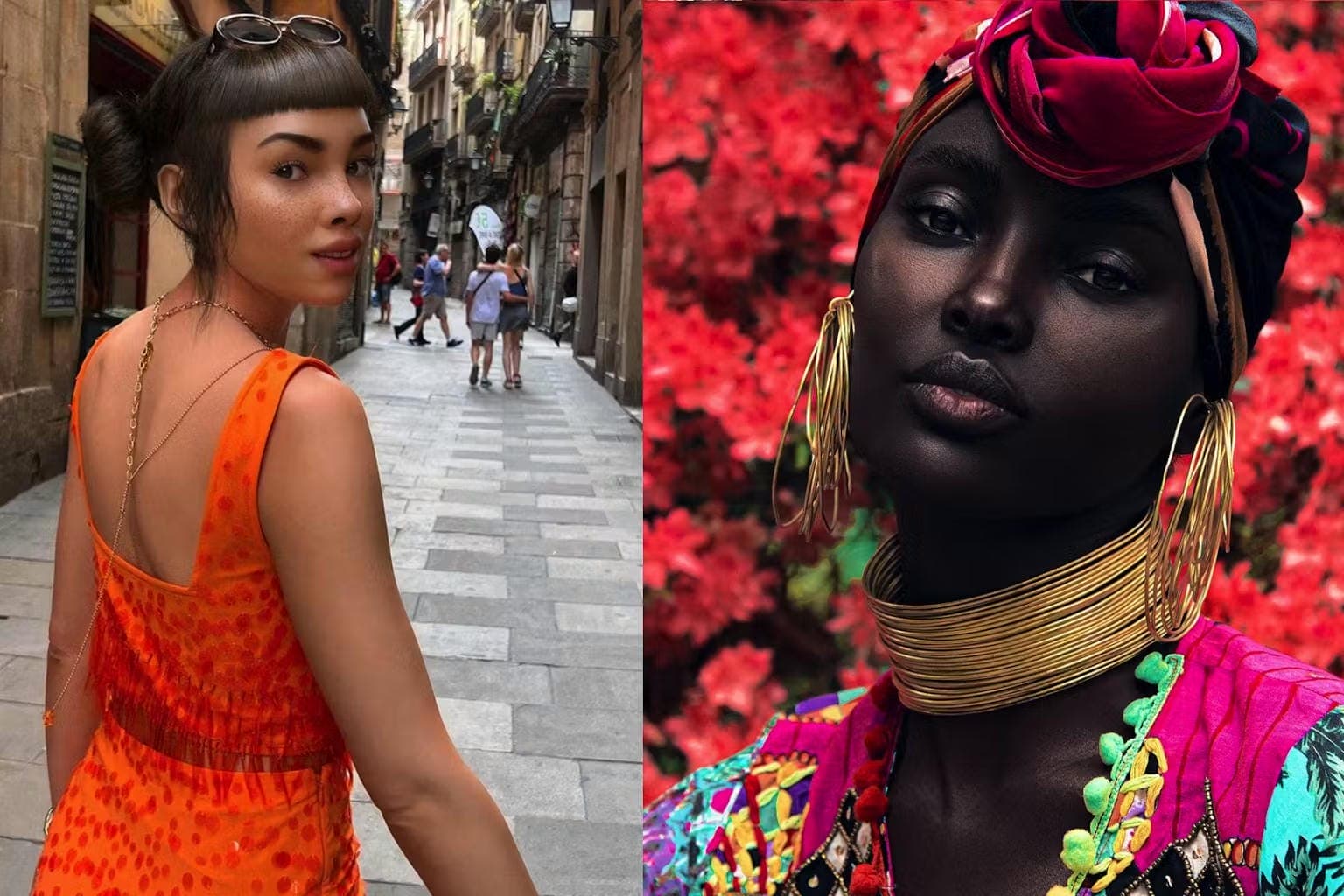
This is likely the most common type you’ll see. All these accounts are about aesthetics, showing clothing lines, cosmetics, and skin care routines. They are most suitable for fast-moving retail brands that are launching new lines every month, as you can change their look or outfit with a few prompt adjustments.
Lifestyle AI influencers
These creators focus on everyday stuff: wellness, travel, home decor, or productivity tips. They rely heavily on caption storytelling to make themselves feel relatable, even though everyone knows they aren't real. It's an interesting paradox, but it works for building a loyal community.
Gaming and entertainment AI influencers
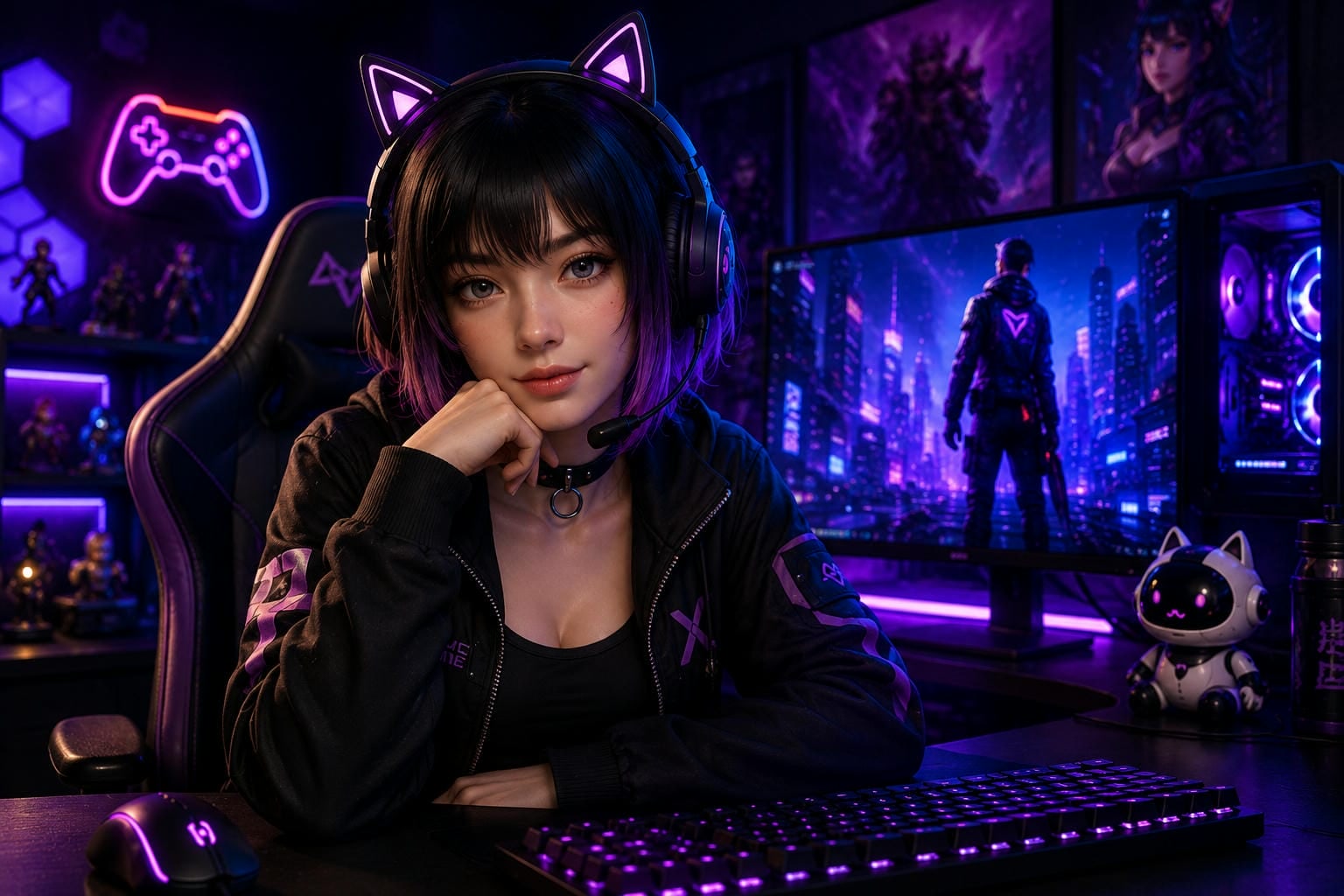
This is a natural fit. Gaming audiences are already used to spending time in digital worlds with avatars, so hanging out with an AI influencer on a livestream or watching them promote a new game feels completely normal to them.
Brand-owned AI influencers
These creators are designed and controlled by brands to represent products, services, and company values across digital channels. Brands manage their appearance, personality, and messaging to ensure consistency in every campaign. This level of control makes them valuable for long-term marketing initiatives, product launches, and ongoing customer engagement while maintaining a strong and recognizable brand identity.
Virtual celebrities and digital ambassadors
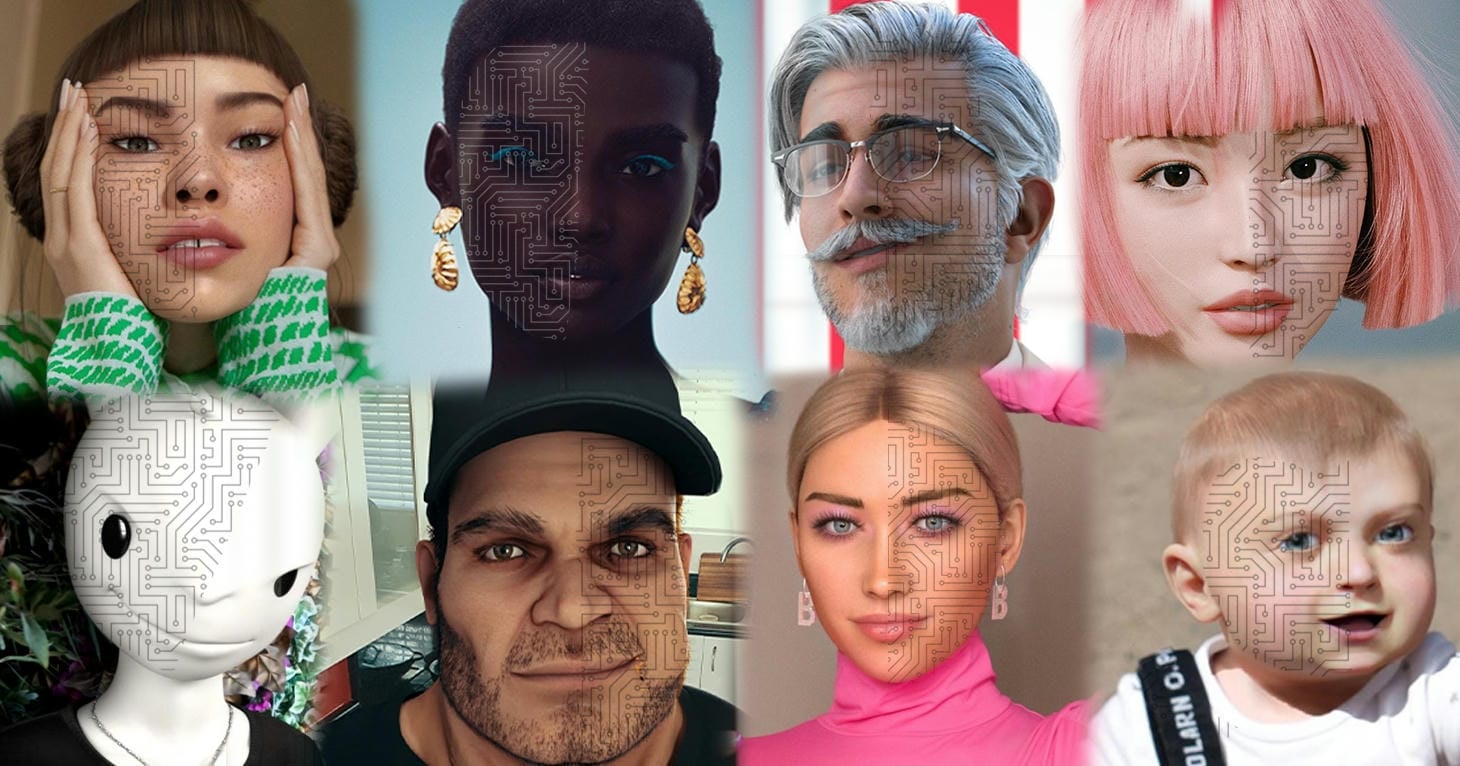
A few of these characters have broken out of the niche marketing space and become genuine virtual celebrities. They sign with major talent agencies, show up in international fashion campaigns, and have massive fan bases that track their "lives."
Niche AI influencers for specific industries
Lately, we're seeing them pop up in more serious sectors like finance, healthcare, and education. They aren't there to look pretty; they exist to break down data, give industry insights, or explain complex tech features in easy-to-digest formats.
How AI Influencer Marketing Works
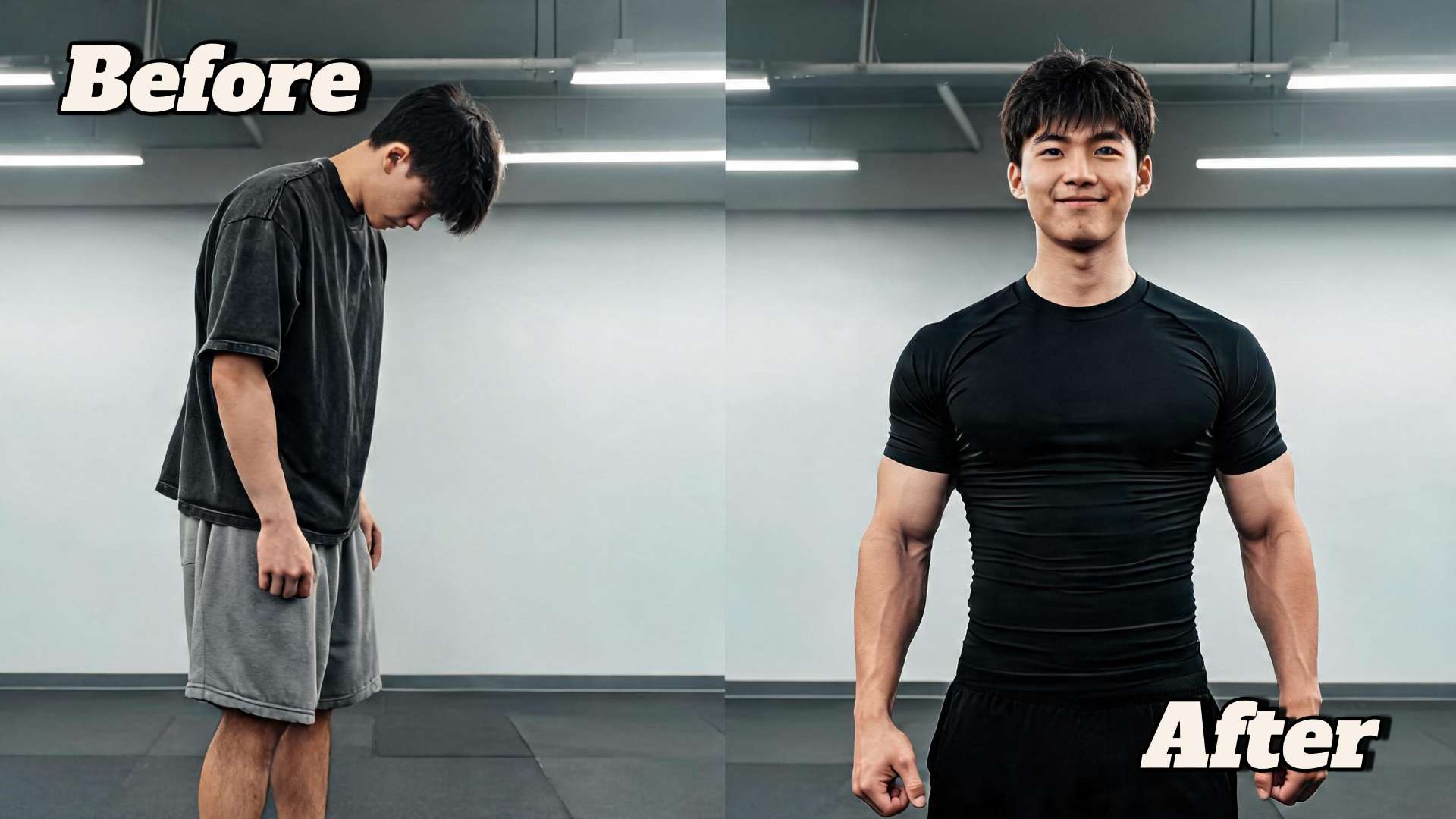
AI influencer marketing uses a managed virtual persona to drive business results through digital content. Brands can either sponsor an existing virtual creator or build their own tailored character. The rendered content is pushed live across formats like product showcases, promotions, or long-term storytelling. The obvious wins are efficiency, perfect timing, and total control with zero creative drift, but audiences can become cynical because people crave human connection. The only way to get past this is to be honest and focus entirely on making the content really entertaining or useful.
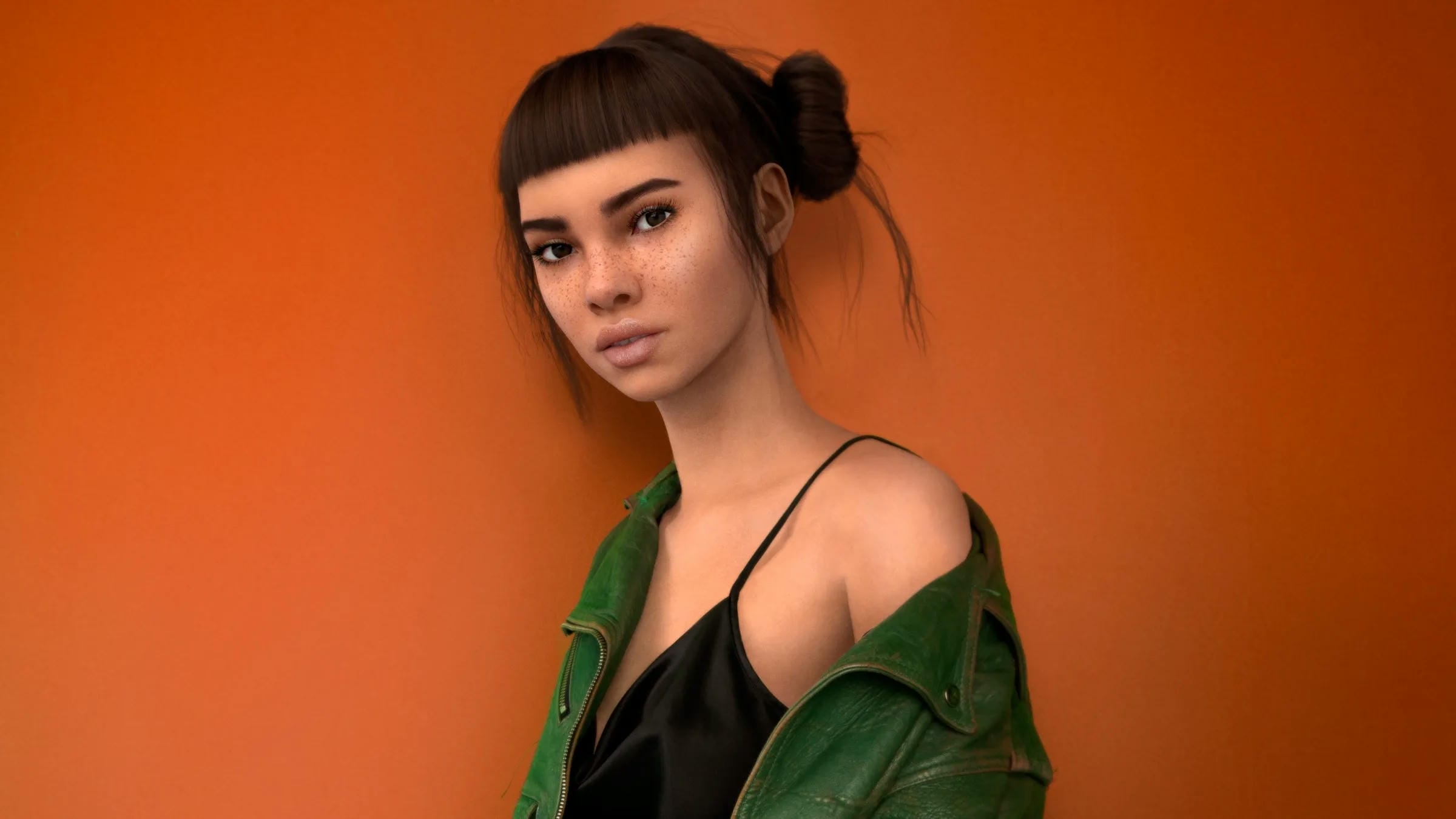
You no longer have to be a design guru or have a big production budget to create an AI influencer. Today's AI tools have made this process much easier, bringing the power of creating virtual content closer to businesses and creators alike. One of these solutions is Vmake AI, which focuses on marketing-oriented content to help brands create virtual influencers that can showcase products and support promotional campaigns. This approach has gained attention alongside well-known AI influencers such as Lil Miquela, Imma, and Shudu, who have demonstrated how virtual creators can build audiences, collaborate with brands, and participate in successful marketing campaigns.
How to Create an AI Influencer With Vmake AI
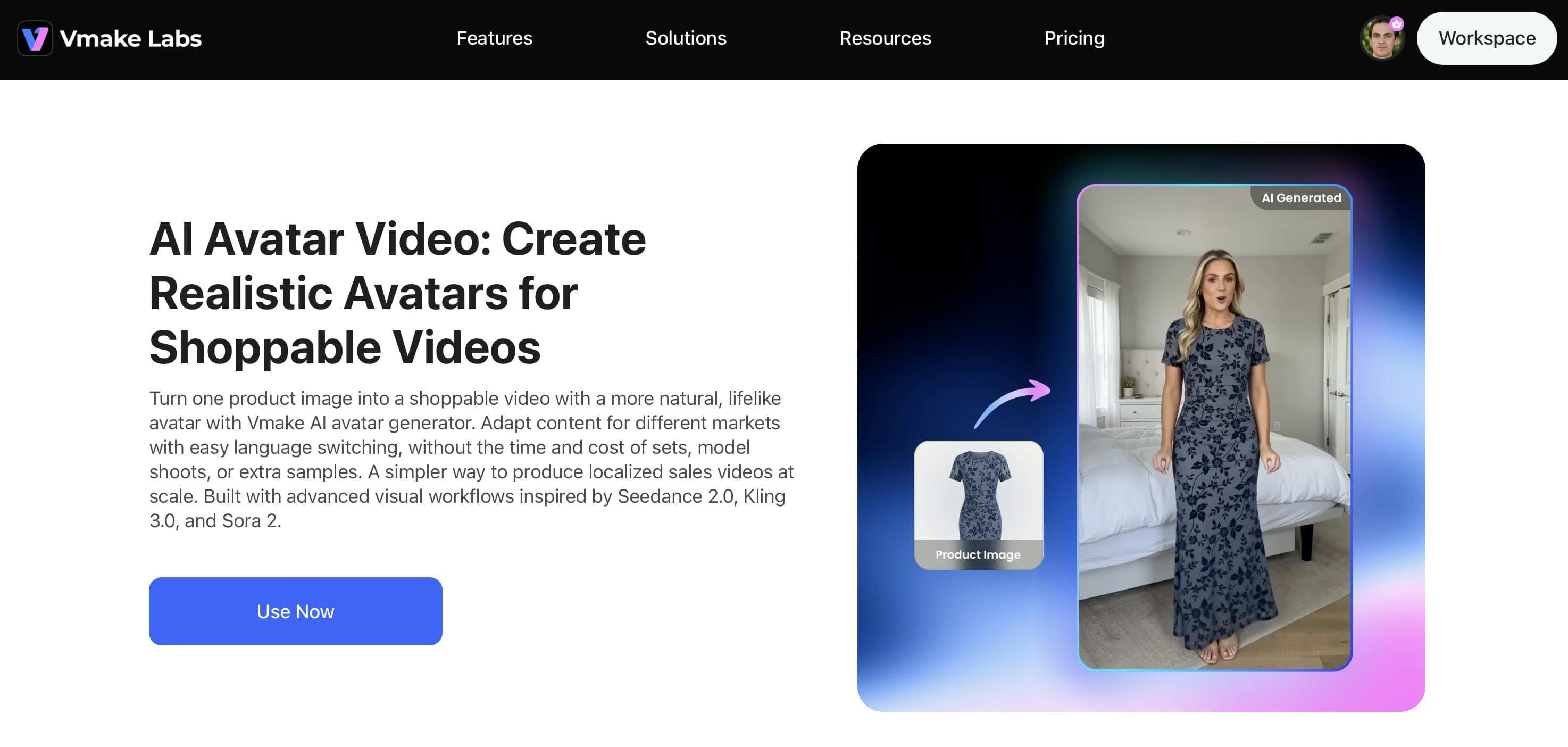
If you want to get into this space, especially for e-commerce or product videos, you don't need to know how to code or use complicated 3D rendering software. Vmake AI Avatar and other services allow you to create virtual influencers that can promote products and produce sales videos, all without ever using a physical camera.
Key features of Vmake AI
-
AI Avatar: Build AI-powered virtual influencers that can represent your brand across social media and marketing campaigns. These digital personalities can present products, engage audiences, and deliver promotional messages. Businesses can customize them to align with their branding and target market.
-
Clone Viral Video: Recreate successful content styles and marketing formats using AI-powered video generation. This feature helps brands produce influencer-style videos inspired by proven content formats while maintaining their own messaging and identity. It makes content creation faster and more scalable.
-
Product Showcase & Sales Content: Generate videos focused on promoting products and driving conversions. Virtual influencers can highlight product features, explain benefits, and create engaging sales-oriented presentations. This makes it easier to create content that supports e-commerce growth.
-
AI Image-to-Video Conversion: Turn static product images into compelling video content with AI. Brands can use existing assets and develop engaging promotional videos without additional filming. This leads to more content output and saves time and resources.
-
Multi-Platform Marketing Content Creation: Create videos optimized for social media, ecommerce stores, and advertising campaigns from a single workflow. The platform supports multiple formats and aspect ratios, helping brands maintain consistent messaging across different channels.
Steps to create an AI influencer
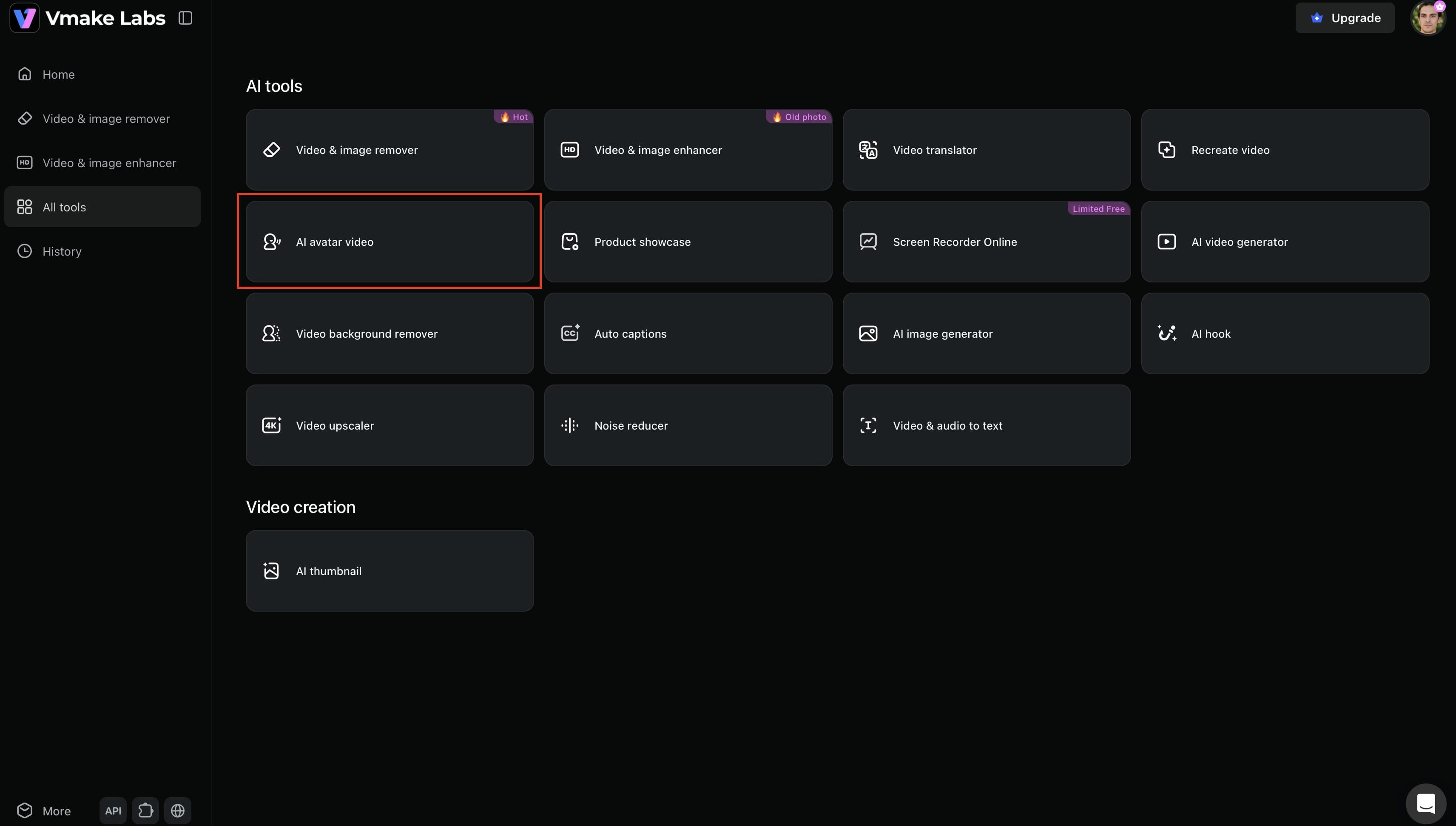
Step 1: Access the AI Avatar Video tool
Log in to the Vmake AI platform and open up the AI Avatar Video tool. The setup is pretty self-explanatory, even if you've never edited a video before. Spend a minute looking at the available formats before you start.
Step 2: Upload your product image and define your advertising goals
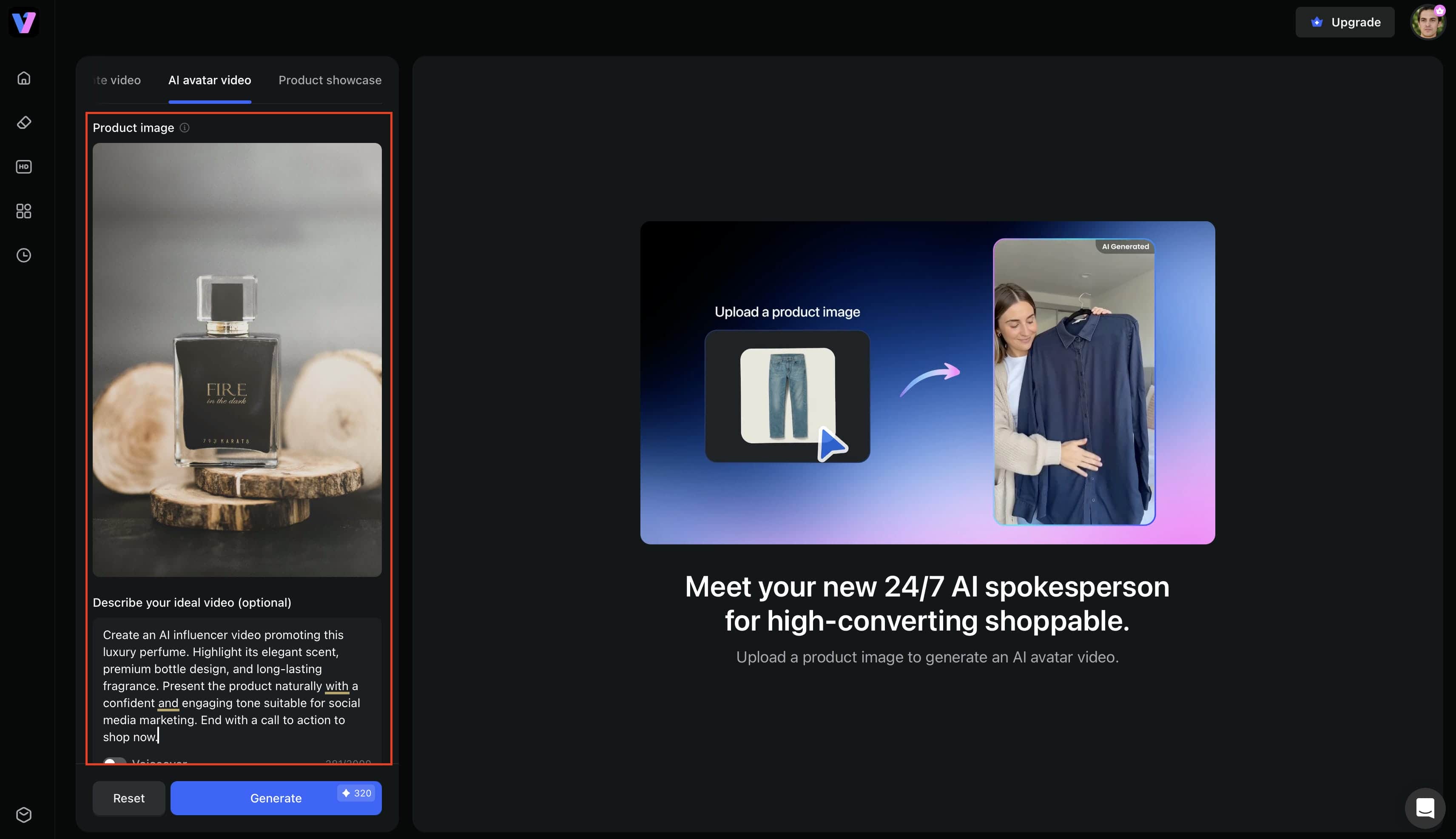
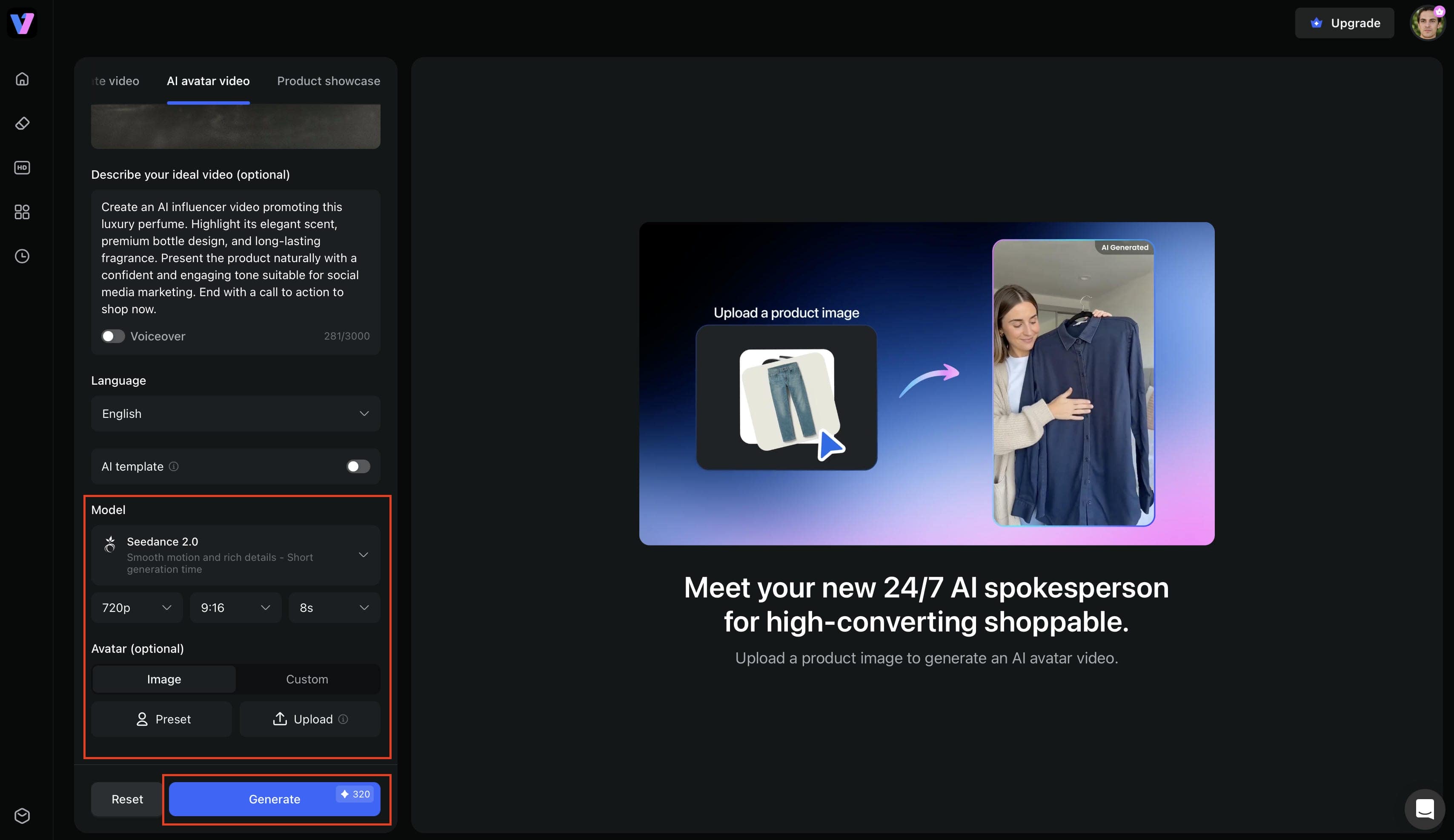
Upload the clean image of the product you want your virtual creator to talk about. You'll also want to type in what the goal of the video is: whether you're trying to highlight a specific feature, run a discount promo, or just build brand awareness. Clear inputs mean better video outputs.
Step 3: Configure video settings and generate
Choose your settings, such as the aspect ratio (9:16 for vertical reels, for example) and the presentation style. Once you are happy with your configuration click generate. The AI renders the video in a fraction of the time it would take to shoot a real video.
Step 4: Review, edit, and download the final video
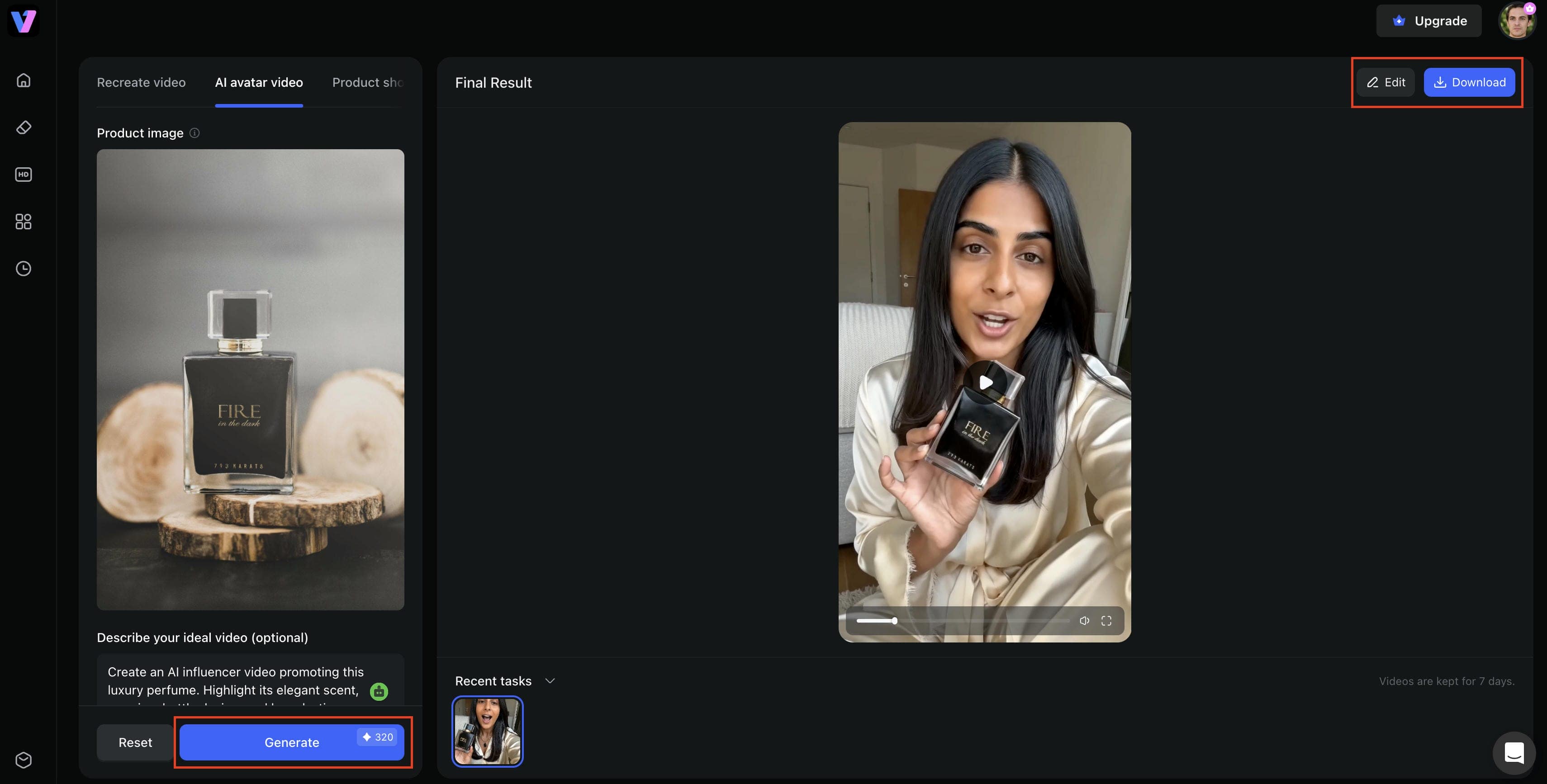
Watch the generated video and check for any weird pacing or visual glitches. If something looks off, you can always change the text, change the visuals, or hit regenerate. And when it looks good, download the file and put it into your marketing channels.
Conclusion
AI influencers aren't going to completely replace human creators, but they have earned their spot in the digital marketing ecosystem. Whether you're running a high-fashion campaign with a virtual celebrity or just using a brand-owned ambassador to handle your daily social media output, the scalability and control they offer are hard to ignore. As the tools get sharper, creating these characters is becoming an option for companies of all sizes. If your business needs a lot of product-focused video content, leveraging a tool like Vmake AI is a practical, cost-effective way to scale up your marketing without blowing out your budget.
FAQs
How do AI influencers make money?
They make money the way human creators do with brand sponsorships, affiliate codes, and sharing ad revenue. Thanks to Vmake AI and other tools, more and more companies are skipping middlemen completely to create in-house ambassadors that make money themselves by automatically promoting products.
Who are the most popular AI influencers on Instagram?
The big players right now are accounts like Lil Miquela, Imma, and Shudu, who have millions of followers and partnerships with legacy brands. Of course, big creative agencies do those, but platforms like Vmake AI allow smaller e-commerce brands to create their own highly effective, personalized digital ambassadors.
What is AI influencer marketing?
It's the strategy of using digital, computer-generated personas instead of real people to pitch products and build social media presence. Rather than relying on human talent, brands use specialized platforms like Vmake AI to automate the entire production line, creating ready-to-publish video ads and product showcases instantly
Can I create my own AI-generated influencer?
Absolutely, and you don't need a background in 3D rendering to do it anymore. Accessible platforms like Vmake AI allow you to build an influencer-style video presenter or digital fashion model from scratch using just basic text descriptions or flat product images.
Which tools can help create AI influencer videos?
There are a handful of options on the market, but Vmake AI stands out as one of the most practical options for businesses. It's specifically tailored to turn standard product images into dynamic, sales-driven video content featuring realistic AI avatars without needing a camera crew.
You May Be Interested
Best Subtitle Generation Tools in 2025 for Creators and Editors

Candy AI Video Generation Review 2026: Features & Alternatives

How to Make AI Cat Videos: A Complete Step-by-Step Guide
2026 Wink Video Enhancer Review: Pros, Cons, and Alternatives
Synthesia AI Video Generator: Turn Text Into AI Videos Easily
Podcast Noise Remover AI That Just Works