YouTube Monetization Requirements in 2026: Complete Guide for Creators
Learn the latest YouTube monetization requirements in 2026, from subscriber and watch-time thresholds to Shorts eligibility. See how to join the YouTube Partner Program and grow faster with Vmake AI.

Getting views on YouTube is incredibly exciting, but actually turning those views into cold, hard cash is the real goal for most of us. The tricky part is figuring out what YouTube expects from you before they unlock the payout button. Let's look at how the YouTube monetization requirements actually work today.
Understanding YouTube Monetization Requirements in 2026
Most of us start obsessing over monetization long before we even come close to qualifying. You get a few videos that suddenly pick up traction, a steady trickle of subscribers follows, and your brain immediately jumps to: Okay, how do I actually make money off this momentum?
Essentially, the YouTube monetization requirements are just the baseline gatekeeping rules for entering the YouTube Partner Program (YPP). Once you're through the door, you can flip on ad revenue, Shorts split-sheets, memberships, and super chats. It completely changes the game. YouTube is basically looking for proof that you have a pulse, a real audience that sticks around, and content that doesn't break their legal rules.
Key Requirements for YouTube Monetization
Subscriber Requirements
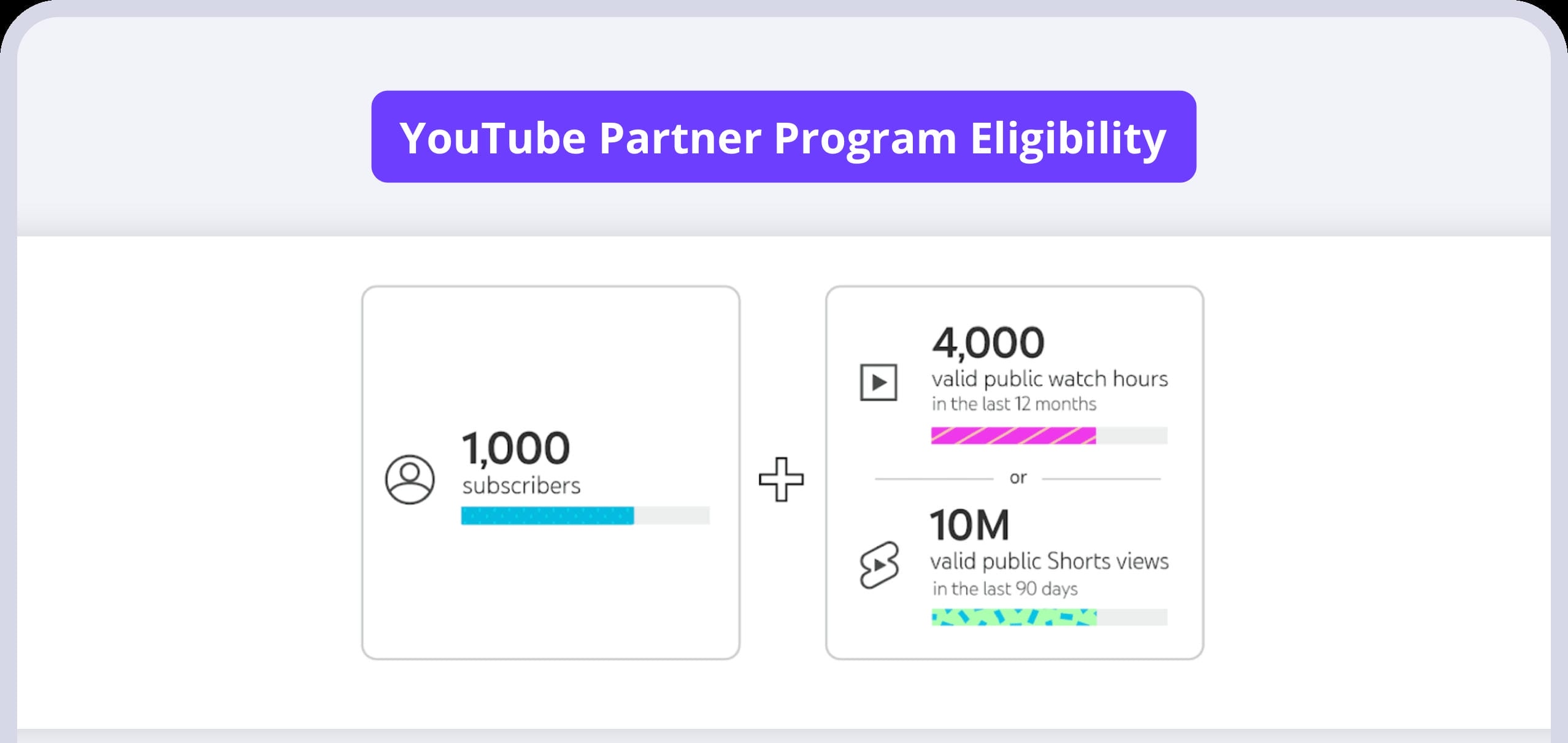
YouTube now offers monetization through two levels of the YouTube Partner Program (YPP). To access fan-funding features such as Super Chats, Super Thanks, Super Stickers, and channel memberships, creators need at least 500 subscribers, three public uploads within the last 90 days, and either 3,000 valid public watch hours in the past 12 months or 3 million valid Shorts views in the last 90 days. To qualify for ad revenue sharing, creators must reach 1,000 subscribers and either 4,000 valid public watch hours in the previous 12 months or 10 million valid Shorts views in the last 90 days.
Watch Time Requirements
Watch hours may seem straightforward, but YouTube only counts valid public watch time for the 4,000-hour requirement. Only valid public watch time counts toward YouTube's 4,000-hour requirement. Watch time from private, deleted, or unlisted videos, as well as views generated through advertising campaigns, does not qualify. Instead of focusing solely on increasing views, creators should prioritize audience retention and engagement, as videos that keep viewers watching longer contribute more effectively to monetization eligibility.
Community Guidelines and Policy Compliance
Meeting the subscriber and watch time thresholds doesn't automatically guarantee monetization approval. YouTube manually reviews channels to ensure they comply with copyright policies, community guidelines, and advertiser-friendly standards. Channels that rely heavily on reused content without meaningful original commentary, transformation, or added value may be rejected. To improve your chances of joining the YouTube Partner Program, focus on creating original content that demonstrates authenticity, creativity, and value for viewers.
AdSense Account Requirements
Before you can receive earnings, you'll need an approved payment account through Google AdSense and complete all required tax and payment verification steps. While reaching YouTube's monetization thresholds requires consistent publishing and long-term effort, tools like Vmake AI can help streamline content creation and editing, giving creators more time to focus on growing their audience and producing content consistently.
Meet YouTube Monetization Requirements Sooner: The Vmake Method for YouTubers
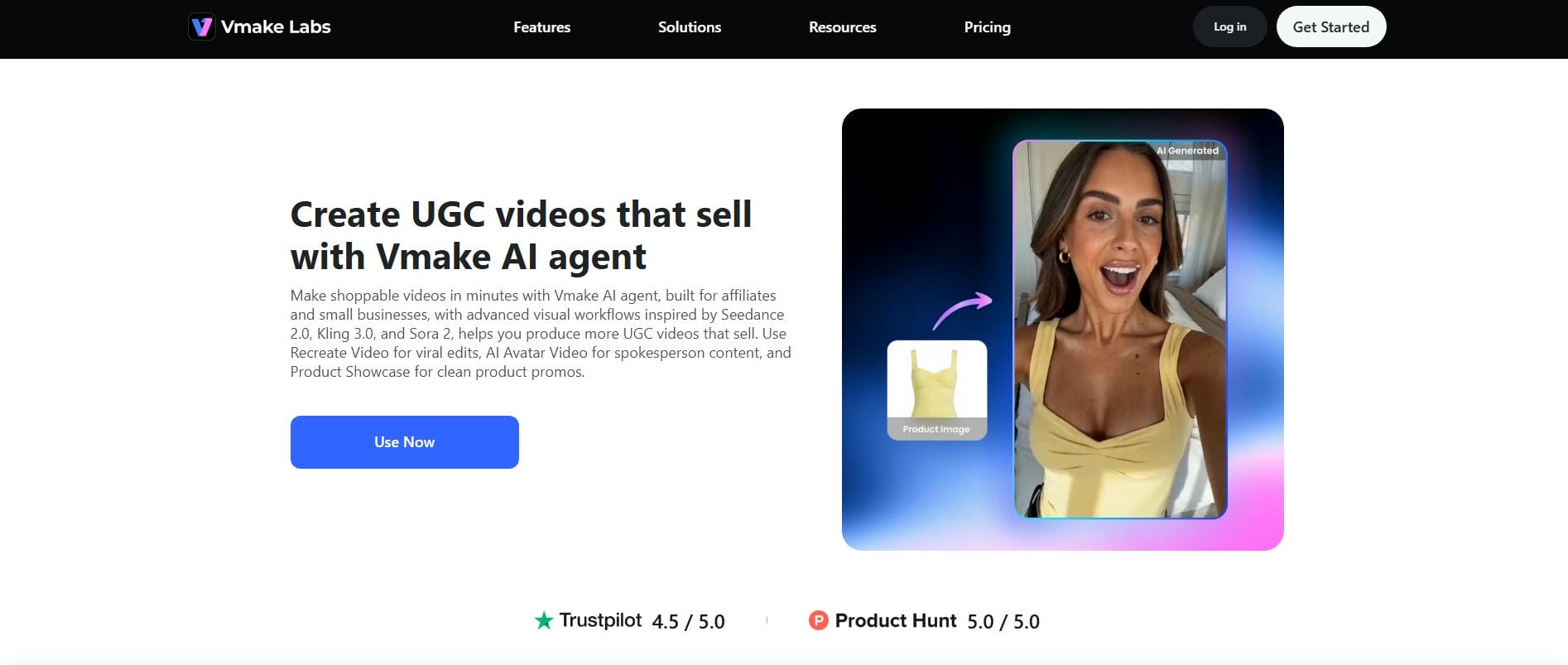
For brands and affiliate marketers, Vmake AI serves as a specialized UGC video engine designed to churn out high-impact YouTube Shorts efficiently. You don't have to spend your entire day cutting footage; the platform transforms a single product link or image into realistic, commerce-ready vertical videos in just a few minutes. This allows you to maintain an aggressive daily publishing routine while freeing up your time to iterate on high-performing hooks
Key features
-
Product Showcase: Users can upload a product image to generate authentic, UGC-style product demo videos in just a few clicks, ideal for Instagram Reels, TikTok, and YouTube Shorts.
-
Viral-style ad creation for rapid testing: Creating multiple ad variations manually can be time-consuming. The Clone Viral Video tool helps generate videos based on proven advertising formats, making it easier to test different hooks, messaging angles, and creative concepts at scale.
-
AI avatars for spokesperson-style content: Produce creator-style and spokesperson-led videos without hiring actors or organizing a shoot. The AI Avatar helps brands create UGC-style ads and promotional content with minimal production effort.
-
Strong product consistency with realistic detail: Your item looks consistent from the first frame to the last, retaining its all-important textures and characteristics in pristine condition.
-
All-in-one video creation workflow: Generates scenes, syncs scripts, and adds music in one click, while offering video enhancement, auto-captions, and watermark removal. This complete setup eliminates external editing, so you can launch ready-to-use ads instantly.
How to Use Vmake AI to Fast-Track Your YouTube Monetization
Step 1: Configure your video style & upload
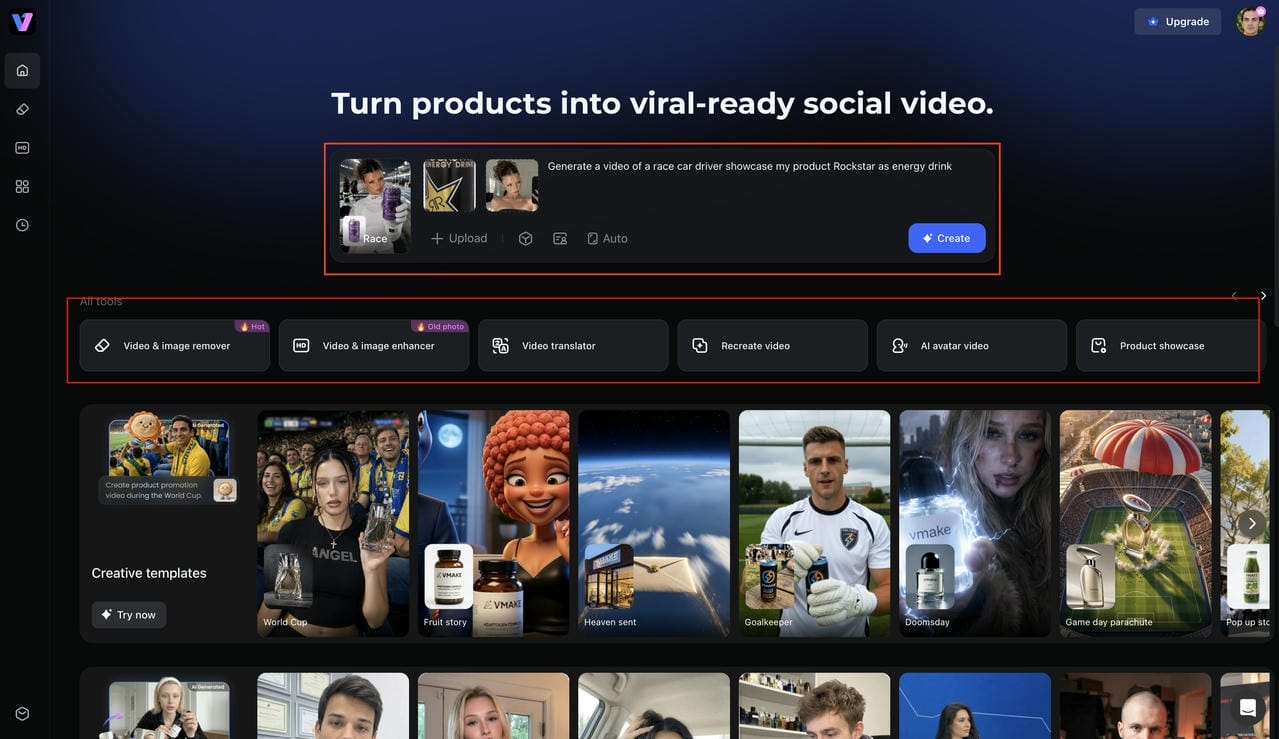
Simply log in to Vmake and locate the viral-ready UGC video prompt box right on the homepage. Select your desired content style: Standard UGC Video, Avatar Style Video, or Product Showcase, and upload your product image. Based on your pick, the platform will automatically generate a personalized script prompt, which you can easily adjust before clicking ''Create''.
Step 2: Review and refine the AI video brief
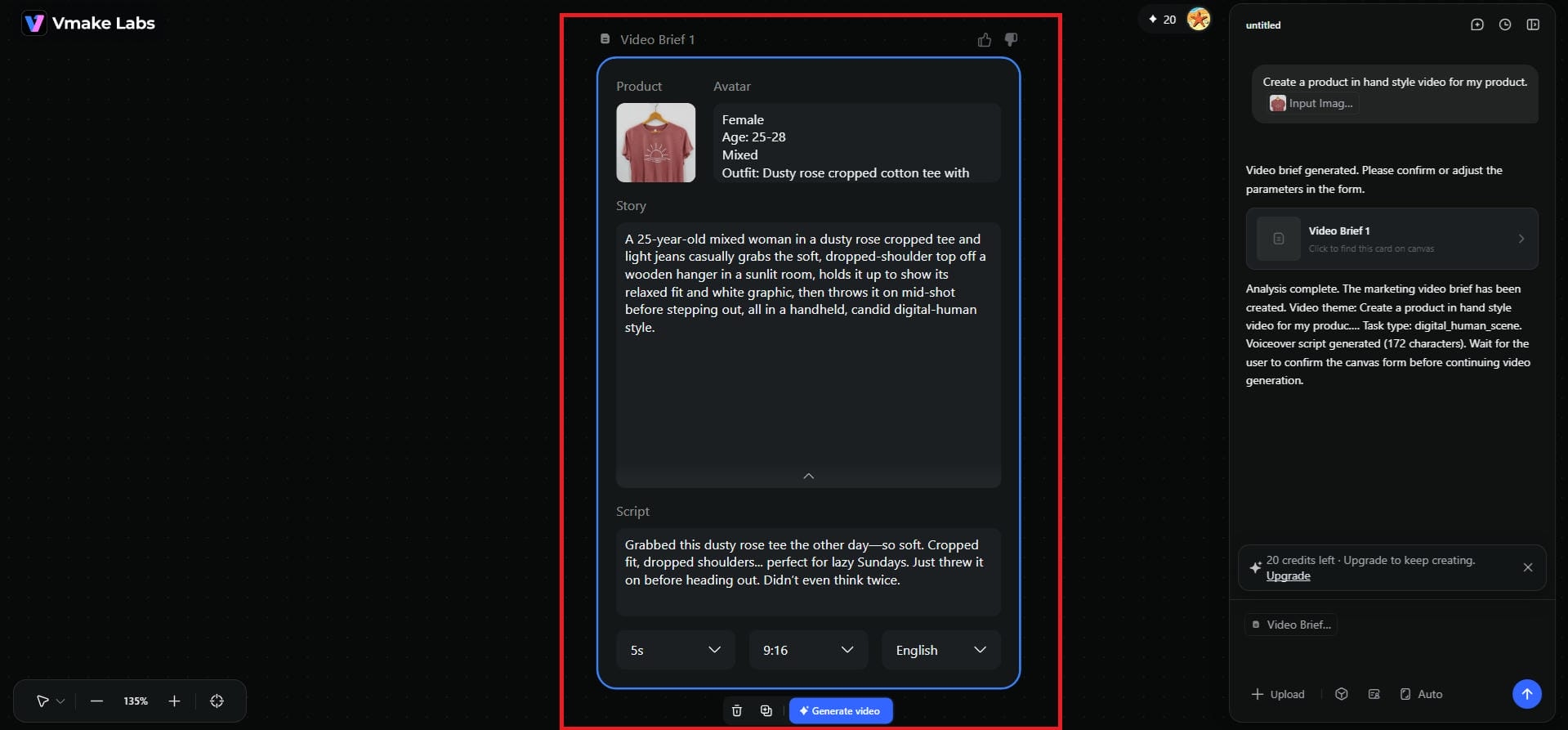
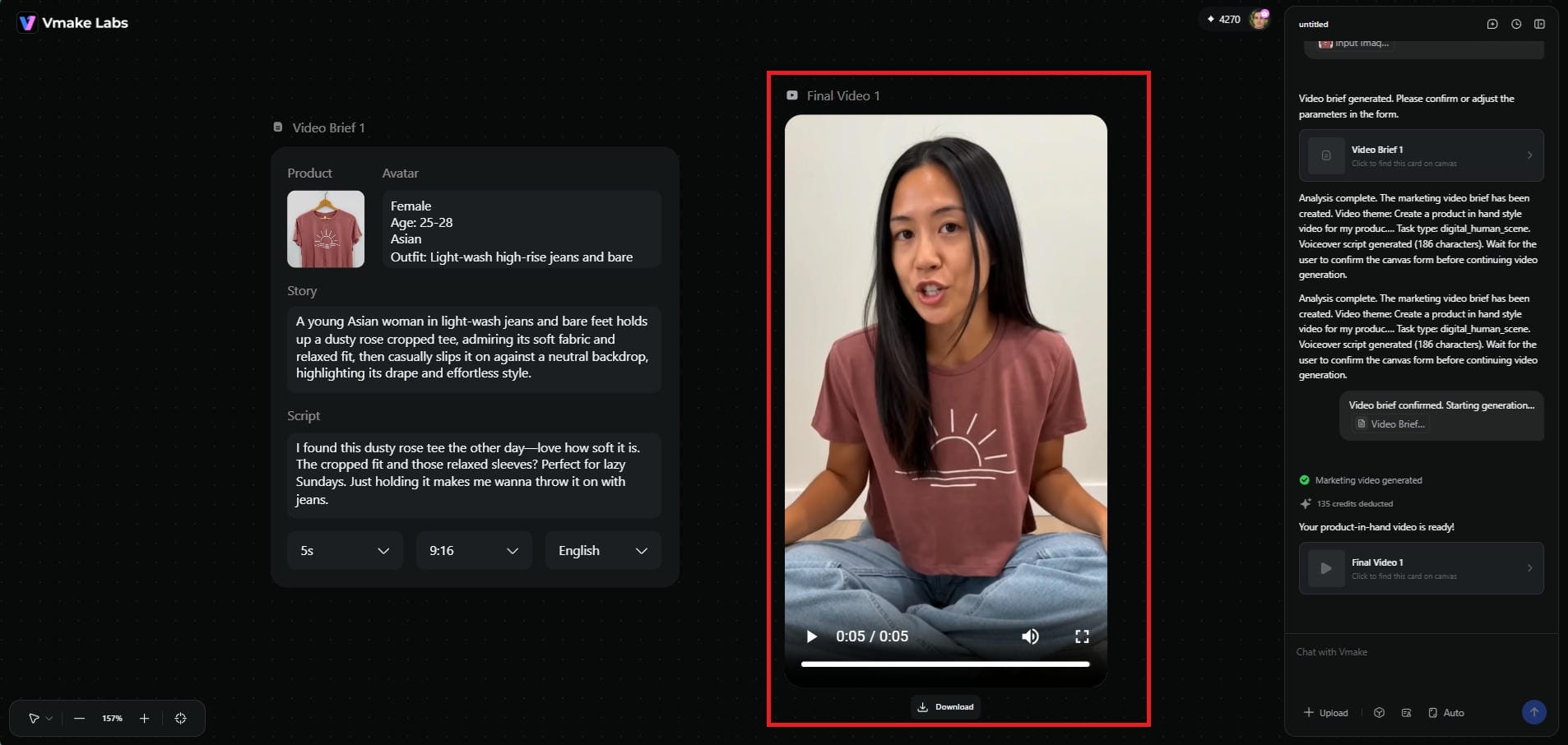
After a few seconds, the Vmake AI agent will create a complete video brief for your project. This brief describes the video tale, the spoken script for the product, the video's length, the aspect ratio, and the language spoken by the avatar. Review these elements in the form style structure and make changes as needed. When you're entirely happy with the arrangement, click ''Generate video''.
Step 3: Review and download
It will just take a few seconds to generate your video. You can make any changes you like, and if it's okay, click on "Download" to save and share.
More Strategies to Meet YouTube Monetization Requirements Faster
-
Stick to a niche and upload consistently: Pick a lane and stick to it is honestly the easiest way to help the algorithm figure out who your channel is, plus your core audience actually knows why they should stay subscribed.
-
Use Shorts as a discovery engine: Shorts are your best bet for pure discovery, as they just scale faster than long-form. You drop a few engaging vertical clips into the feed, trigger that recommendation algorithm, and suddenly you're driving traffic back to your main channel that you never would have reached otherwise.
-
Double down on retention and watch time: YouTube loves channels that keep people glued to the screen, period. If you want to hit that 4,000-hour milestone, build your videos with quick transitions and tight pacing, so people don't get bored and click away after thirty seconds.
-
Make your titles and thumbnails unskippable: If nobody clicks, the video doesn't exist. Your packaging titles and thumbnails need to be unskippable. Make sure the thumb promises real value, and the title hooks them instantly.
-
Repurpose your top assets into multiple formats: Don't let a great piece of content die after one post. Chop your long-form uploads into multiple short clips and teasers to maximize the mileage of everything you create.
Common Reasons Channels Get Rejected for Monetization
-
Reused Content Violations: This is the most common reason applications fail to import clips, memes, or other creators' footage without adding significant original human commentary or distinct editing modifications.
-
Repetitive Content Patterns: Uploading films that are similar in structure, or that employ repetitive template patterns, or that are based solely on unedited automated assets that don't have unique branding.
-
Misleading Metadata & Clickbait: The use of titles, tags or thumbnails that do not adequately represent the content of the corresponding videos to influence engagement.
-
Active Guidelines & Copyright Strikes: Signed up to the YouTube Partner Program with active violations of the platform's rules or unresolved allegations of copyright infringement by third parties.
-
Invalid or Duplicate AdSense Setup: Small administrative issues, including linking unverified emails or attempting to link more than one current AdSense account.
Conclusion
Look, meeting the YouTube monetization requirements is not some magical science; it's a test of plain stamina. Whether you're churning out 4,000 watch hours on deep-dive films or chasing that big 10 million-view mountain on the Shorts feed, the strategy remains the same: Give people something they truly want to look at, do it regularly, and don't infringe the platform restrictions. Shortcuts tend to get your channel banned or demonetized forever, regardless. Focus on keeping people on the screen longer, use tools like Vmake AI to keep your production from draining your life, and build something sustainable.
FAQs
What are the YouTube monetization requirements in 2026?
The baseline is still 1,000 members to get a piece of the ad money. Also, you require either 4,000 public watch hours over the last year or 10 million genuine Shorts views in a 90-day period. Many makers use Vmake AI to speed up the process, only to churn out high-retention films quickly enough to reach those targets before the rolling window resets.
How many watch hours are needed to join the YouTube Partner Program?
You need 4,000 valid, public watch hours, and it has to be within a rolling 12-month period. If people click away early, your stats tank. That's exactly why people use Vmake AI's editing and enhancement tools; it makes the videos look crisp and snappy enough that viewers actually stay glued to the screen instead of dropping off.
Can Vmake AI help creators grow their YouTube channels faster?
Absolutely, by automating the tedious parts of editing, generating viral short-form content at scale, and automatically upscaling your video quality, Vmake AI directly allows you to maintain the aggressive upload schedule required to hit all your monetization metrics.
What happens if my numbers drop below the thresholds after I'm already monetized?
YouTube won't instantly boot you for a slow month, but they will pull monetization if a channel goes completely dark for six months. Creators use Vmake AI to quickly queue up low-effort, high-quality backup content, so their watch hours never tank.
Can I use AI presenters and voiceovers and still pass YouTube's monetization review?
Yes, as long as the underlying video is original and adds real value. Vmake AI helps you bypass "reused content" flags by letting you customize unique scripts and structures, ensuring your automated videos don't just feel like spam templates.
You May Be Interested
How to Create Professional YouTube Thumbnails with AI: A Creator’s 2026 Strategy
The Ultimate Guide to Transcribe YouTube Video to Text [2026]
YouTube Automation: Guide to Building a Scalable Business
YouTube Thumbnail Size 2026: The New Standard for High-CTR Visuals