How to Turn World Cup Hype into a Marketing Chance for Your Brand
 Vmake Labs TeamJune 4, 2026
Every four years, the World Cup reshapes global attention. For brands, it creates one of the biggest marketing opportunities of the year. But for non-sponsor brands, the first reaction is often hesitation: without official sponsorship rights, where can they still show up, and what can they actually promote?
If you are not sure what to promote during the World Cup, this guide breaks down the content types worth focusing on and shows how non-sponsor brands can promote these porducts with Vmake AI.
When is the 2026 FIFA World Cup? Why It is a Big Marketing Chance for Brands?
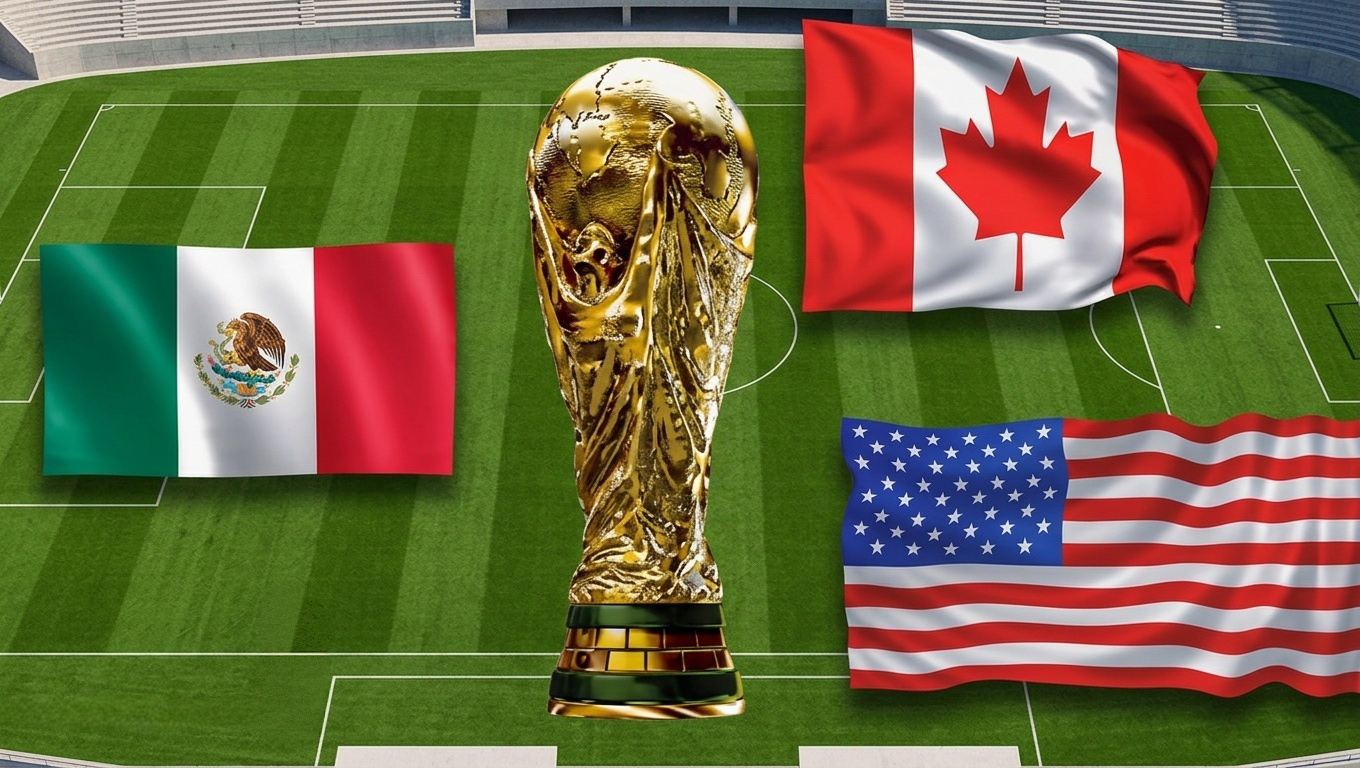
The 2026 World Cup begins on June 11 and continues until the final on July 19. The 2026 edition will be the biggest World Cup to date, bringing together 48 teams across 104 matches. It is also the first tournament to be hosted across three countries, which are the United States, Canada, and Mexico, creating different viewing habits, audience rhythms, and match-day moments across regions.
For marketers, it is one of the rare moments when consumer focus, cultural conversation, and social media activity all gather around the same event. The World Cup is not only about football. It is also about the lifestyle built around football. For more than a month, the tournament becomes part of everyday life: watch parties replace ordinary nights out, group chats become more active, shopping baskets change, streaming habits shift, and fans look for new ways to dress, eat, watch, travel, and share the moment.
This creates a valuable marketing opportunity not only for sports brands, but also for brands selling food, fashion, beauty products, tech devices, home goods, and many other products outside the traditional sports category.
Can Brands Market During the World Cup Without FIFA Sponsorship?
The opportunity is bigger than most brands realize.
Many major brands are already preparing for the 2026 World Cup. Sponsorship deals have been secured, campaigns have been planned, and budgets are already in place. For many non-sponsor brands, it may feel like the World Cup marketing window has already closed, and they think they should simply wait for the next big cultural moment.
That would be a mistake.
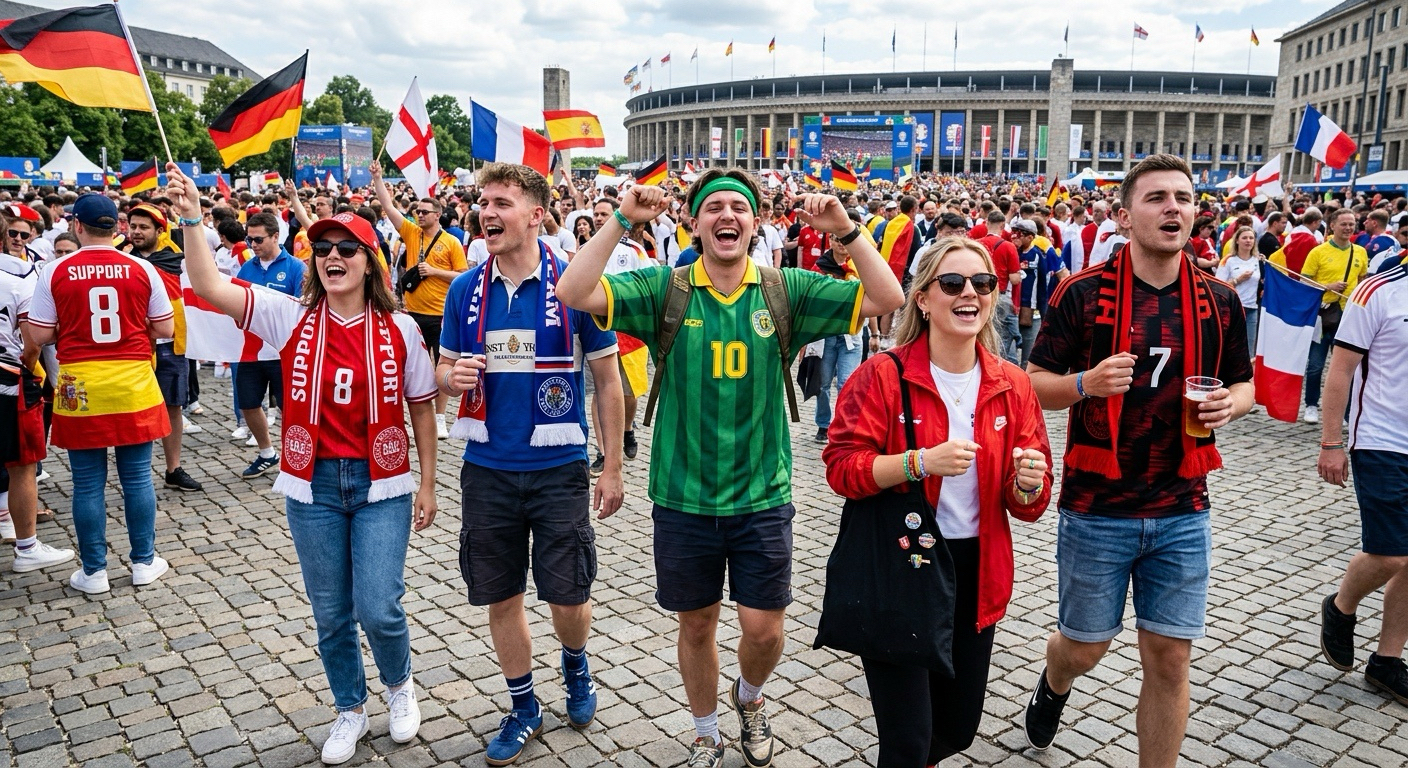
The way people experience major cultural events has changed. The World Cup does not only live in stadiums, broadcast ads, and official sponsorship placements. It also lives in group chats after every goal, watch parties that last until 2 a.m., creator reactions on the social media platforms, and local restaurants or bars that become unofficial gathering places for fans.
 Marketing Ideas for Non-Sponsor Brands
The best World Cup marketing content gives fans something to save, share, react to, or act on. Instead of posting a generic football-themed ad, brands should think about how fan behavior changes across the match-day journey: before kick-off, during the match, and after the final whistle.
World Cup viewing is increasingly shaped by second-screen behavior. Fans may watch the match on TV or streaming platforms, but they also use their phones to check reactions, message friends, scroll social feeds, vote in polls, order food, search products, and share match-day moments in real time.
For brands, this means World Cup marketing needs to create social-ready content that could move quickly across social and digital touchpoints, including TikTok, Instagram Reels, and YouTube Shorts. Short-form video is important because it is fast, visual, and easy to share, but it should work alongside other formats that help fans save, react, comment, and click.
Here are some possible content that brands can use for their marketing campaigns during the 2026 FIFA World Cup:
Before the Match: Help Fans Get Ready
Before kick-off, fans are in planning mode. They check match schedules, prepare snacks and drinks, choose outfits, and make predictions about who will win. For brands, this is a strong moment to create useful and preparation-focused content.
Content worth promoting includes:
Countdown post: Brands can build anticipation with messages such as “3 days until kick-off”, “Get ready before the whistle”, or “Your match-day essentials start here”.
Match-day preparation: Before the game begins, fans are planning what to wear, where to watch, what to eat, what to bring, and how to set up the room before kick-off. This gives brands more ways to enter the pre-match conversation. For example, fashion brands can focus on outfits ideas such as “What to wear on match day”, “Fan-color outfit ideas”, or “Office to match night look”.
Prediction and poll: This can effectively help brands start conversations with fans before the game. Fans naturally enjoy guessing the winner, choosing favorites, and debating outcomes. Brands can ask questions such as “Who wins tonight?”, “Which snack is your match-day champion?”, or “Pick your game-night look”.
During the Match: Join the Live Energy
During the match, fans are focused on the game, so brand content needs to be short, emotional, and easy to react to. This is not the time for complicated storytelling. It is the time to join the live energy around goals, saves, penalties, halftime breaks, and score tension.
Content worth promoting includes:
Fan reaction: Brands can connect with real emotions that fans are experiencing during the match, creating posts around moments such as “POV: your team scores”, “When the match goes to penalties”, or “That last-minute goal feeling”.
Score update or score-tension: Brands can use score-related emotions to frame their products. For example, a snack brand might post “Still 0–0, but the snack table is winning”, while a tech brand might post “Extra time? Stay charged”. This effectively keeps the content tied to the live match.
Halftime deal: During halftime, fans are more likely to check their phones, order food, browse social media, or look for quick offers. Connecting products with the halftime deal is especially useful for restaurants, delivery services, ecommerce brands, snacks, and beverages. Brands can create posts such as “Halftime deal is live”, “Order before extra time”, or “Your second-half snack is ready”.
After the Match: Keep the Conversation Going
After the final whistle, the conversation does not end. Fans celebrate wins, complain about losses, share highlights, repost memes, and start looking ahead to the next match. For brands, this is a chance to extend attention beyond the live game window.
Content worth promoting includes:
Recap carousel:After the match, brands can use the moments fans are already discussing as conversation hook: the goal, the save, the penalty, the celebration, or the final whistle. Then they can connect that moment to fan behavior or product use cases. For example, a snack brand can turn a last-minute goal into “the snack everyone reached for after the celebration”.
Before-and-after match content:This format works well for products that can show endurance, transformation, or visible results. Brands can compare how a product looks or performs before kick-off and after the final whistle, turning the full match into a simple product test. For example, a beauty brand can show makeup before the game and after extra time to highlight long-lasting wear.
Behind-the-scenes content: Fans are often curious about what happens beyond the score, from player routines and team preparation to the operations behind the game. This creates a natural opportunity for brand integration. Brands with the right access can share training footage, locker-room moments, or player interviews that give fans a more exclusive look at the match-day experience.
Next-match reminder:The World Cup is not a one-night event, so every match can lead into the next one. Brands can remind fans to restock, reserve, shop, or prepare before the next game. Simple messages like “Ready for the next match?”, “Restock before the next game”, or “See you next match night” help brands turn one match-day moment into repeat engagement throughout the tournament.
How Vmake Labs Helps Brands Create World Cup Marketing Videos
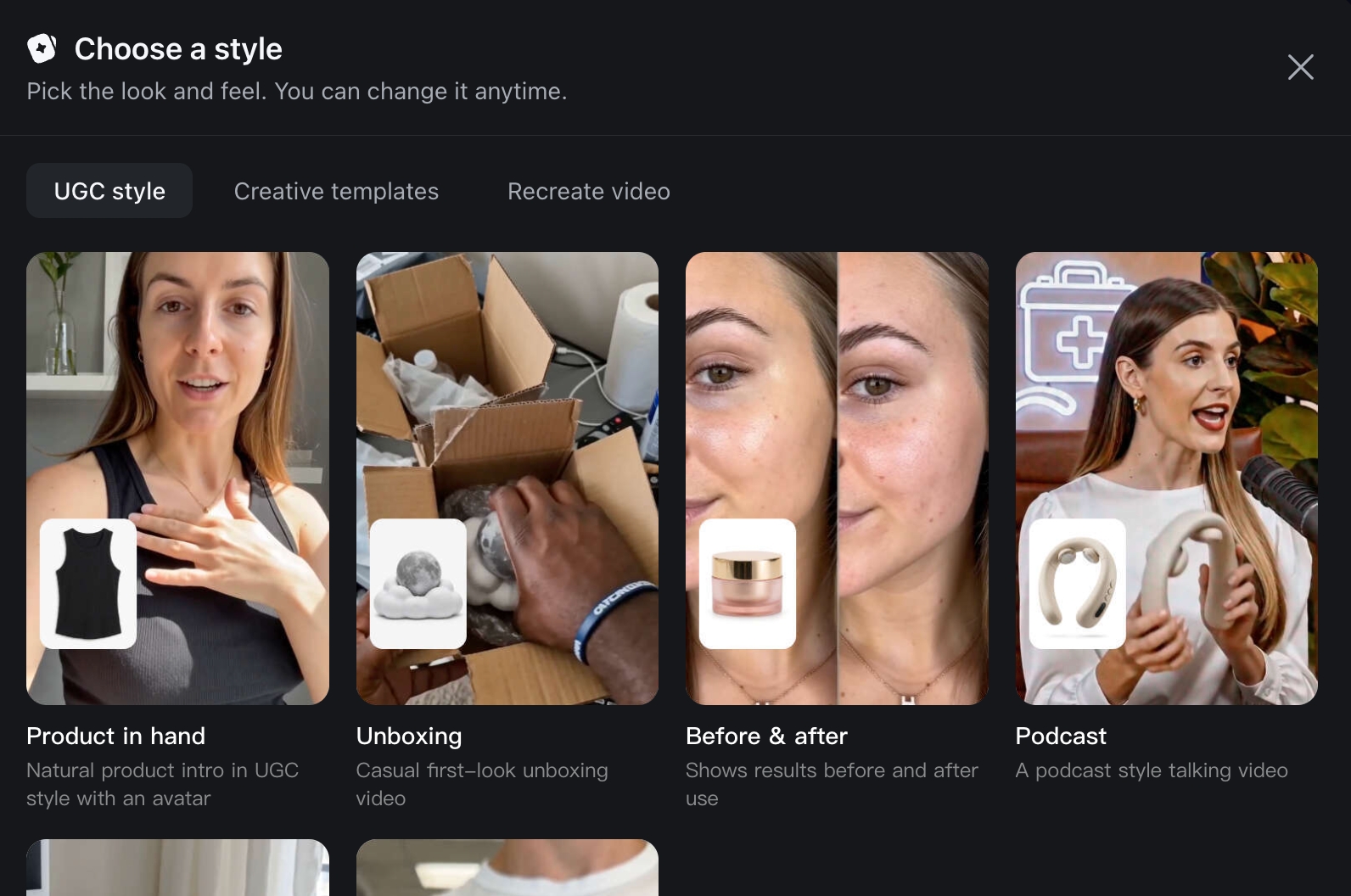
Vmake Labs’s UGC style and Creative Templates can help brands turn product images into viral videos for World Cup campaigns. Simply choose the template, upload the product image, and Vmake can generate a creator-style video that showcases the item. The tool even ensures fast processing, delivering the output in just seconds.
Create Creator-Led Product Videos With UGC Style
UGC Style works well when brands want to show how a product is used, worn, tested, recommended, or explained in a match-day context. Creator-led video is a strong way to promote these products because creators already have access to the audiences brands want to reach.
Product in hand Style: Shows the product being worn, held, or introduced in a creator-style video. Suitable for match-day preparation content, especially outfit ideas and fan accessories.
Before & after Style: Shows how a product looks, works, or performs before and after a full match-day moment. Suitable for before-and-after match content, especially beauty products, long-wear makeup, and products with visible results.
Unboxing Style: Presents the product as something newly opened, while showing it from different angles. Suitable for match-day preparation content, especially for tech products.
How-to Style: Introduces the product and shows how it solves a specific match-day problem. Suitable for match-day preparation content and halftime deal content, especially for tech products such as streaming setups, power banks, speakers, and phone stands.
Create Football-Inspired Campaign Videos With Creative Templates
Creative Templates work well when brands want to create faster campaign visuals with a clear World Cup atmosphere. These templates are useful for content ideas that need to feel timely, energetic, and connected to the football moment, even if the product itself is not a sports product.
Game Day Parachute : Creates a professional, cinematic one-shot aerial view advertisement featuring a giant product parachute airdrop. Suitable for countdown posts, prediction and poll content, and next-match reminders.
Football Interview : Creates an interview-style video where the product is naturally or accidentally revealed in the frame. Suitable for behind-the-scenes content, fan reaction content, and halftime deals.
World Cup : Shows an AI model watching the match at a World Cup stadium while holding the product. Suitable for fan reaction content, score update or score-tension content, and halftime deals.
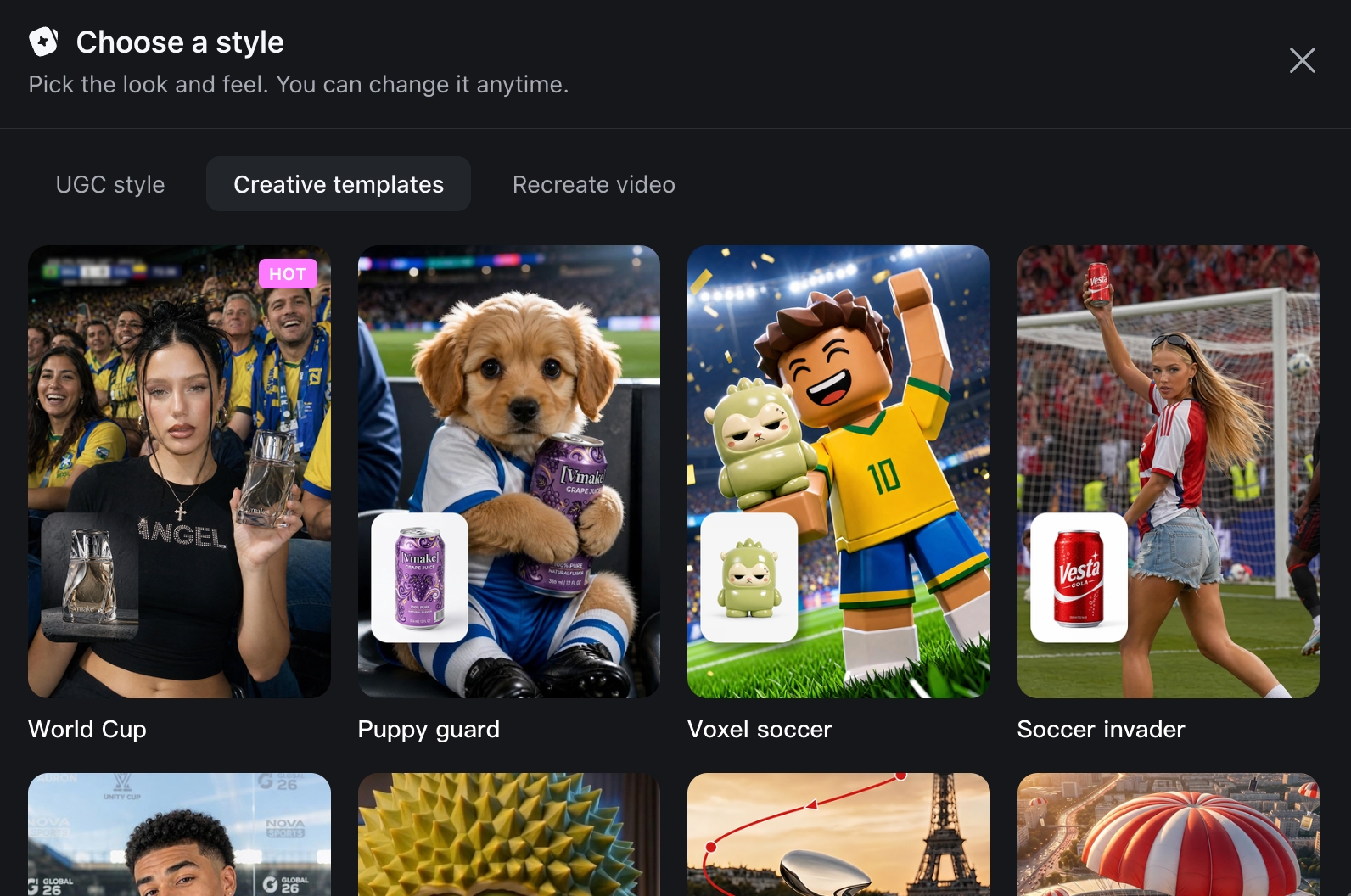
Together, UGC Style and Creative Templates help non-sponsor brands create viral World Cup marketing videos from simple product images.
Tips for Brands Before Launching a World Cup Campaign
Remember to stay onside with FIFA’s rules
Before developing your World Cup campaign too far, it is important to understand how FIFA protects its official tournament branding. Avoid using "official marks" such as the tournament emblem, trophy, mascot. Some event-related terms are also protected as word marks, which means brands should avoid using phrases like “FIFA World Cup” in promotional activities.
A safer approach is to build your campaign around the broader football moment instead. Use general themes such as match day, football season, fan culture, watch parties, team colors, and game-night energy. This allows your brand to join the conversation without making the campaign look like an official sponsorship.
Build your campaign around fan behavior
Instead of trying to associate your brand with the football itself, ask where your product naturally fits into the World Cup experience. Look at how people watch, eat, dress, travel, celebrate, and share during the tournament, then position your product where it naturally belongs.
Use the right football lingo for your target market
When creating the promoting videos or posts, brands need to understand the language fans actually use. Using the right terms can make content feel more relevant to a specific market. For example, many national teams are known by familiar nicknames. Mexico is often called “El Tri,” England is known as “The Three Lions,” France as “Les Bleus,” Spain as “La Roja,” and Brazil as “Seleção” or “Canarinha.” These names can help captions, polls, match-day reminders, and fan-color content feel more native to football culture when they match the audience you are targeting.
FAQs
Do brands need FIFA sponsorship to market during the World Cup?
No. Official sponsorship is not the only way to join the World Cup conversation. Brands should avoid using protected FIFA marks or suggesting an official connection, but they can still create relevant content around match-day rituals, watch parties, travel, fan culture, and social media reactions.
Yes, but not by playing the same game. Official sponsors usually dominate broadcast placements, stadium visibility, and formal tournament association. Non-sponsor brands can compete in the spaces where fans actually spend their time: social feeds, group chats, watch parties, match-day routines and real-time reactions. This is where UGC-style campaigns can be especially powerful. In these social spaces, these content can often connect with fans more effectively than traditional sponsorship ads.
How can AI help non-sponsor brands create World Cup marketing content?
AI tools such as Vmake AI can help brands turn product images and simple ideas into UGC style campaign-ready videos much faster. This is useful for World Cup marketing because brands often need to react quickly to match-day moments, fan trends, and seasonal demand.
Final Thoughts
The World Cup is more than a football tournament. It is a global marketing moment that extends far beyond sports, creating opportunities for brands in fashion, beauty, tech, food, home, and many other categories. For non-sponsor brands, the best way to focus on real fan behaviors, choose the right product angle, and create creator-led content that feels natural to the moment. With AI tools like Vmake’s UGC Style, brands can quickly turn product images into UGC-style videos. Start with the fan moment, place your product inside it, and create content while the World Cup conversation is still moving.
You May Be Interested
Seedance 2.0 vs Sora 2: Which AI Video Generator Wins in 2026?

HappyHorse 1.0 Explored: A New Era of AI Video or Z-Video?

Google Gemini|Copy Paste This Simple Prompts to Create “Hug my younger self ” Photos
How to Create a YouTube Thumbnail? Create YouTube Thumbnails Using AI
HeyGen AI Video Generator: Create AI Videos Effortlessly