AI Dubbing vs Traditional Dubbing: Which Is Better for Video Localization?
Compare AI dubbing and traditional dubbing in terms of cost, speed, quality, scalability, and localization. Learn which dubbing method is best for YouTube videos, online courses, marketing content, and global audiences.

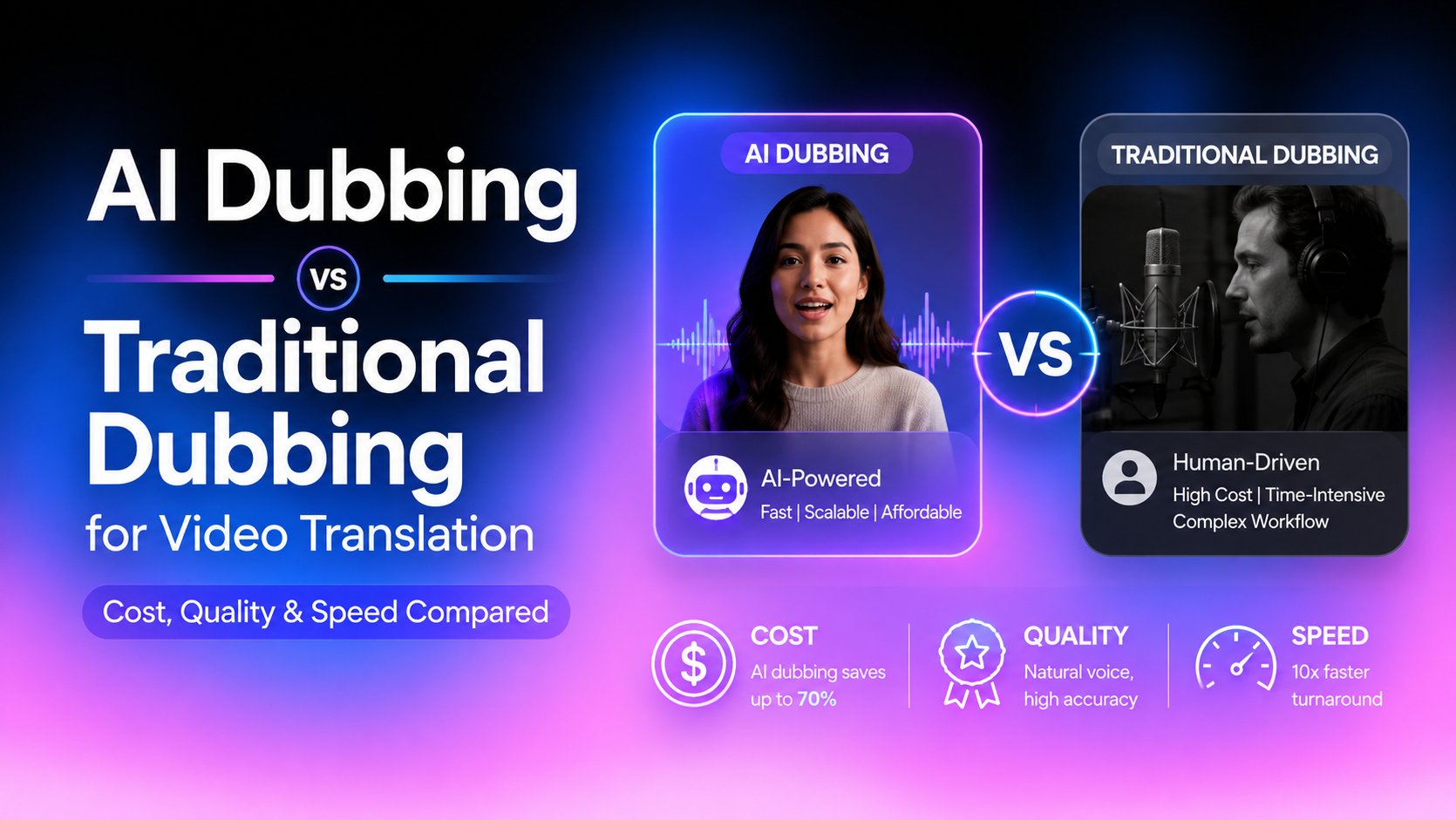
Video localization is a modern concept where geographical boundaries no longer act as a barrier.
What Is AI Dubbing?
AI dubbing is a process where you use artificial intelligence to automatically translate speech and generate voice-overs. No need to hire voice actors and recording studios. Now, efficient AI systems can create multilingual voice tracks in a fraction of the time through AI dubbing.
How AI Dubbing Works
AI dubbing automates video translation by processing your source video through a pipeline of technologies, giving a natural result with minimal cost and time. Some of these include Transcription / Automatic speech recognition (ASR), Machine Translation and lip synching.
AI Translation, Voice Synthesis, and Speech Generation
AI dubbing relies on several technologies working together:
AI Translation: Converts spoken content into another language.
Voice Synthesis: Creates realistic human-like voices using deep learning models.
Speech Generation: Produces natural speech patterns, pauses, and pronunciation based on translated text.
Common Use Cases for AI Dubbing
AI dubbing has become an essential tool for creators, educators, and businesses that want to communicate with audiences in different languages. Instead of recording separate voiceovers for every market, AI can automatically generate natural-sounding speech while keeping the original video's timing and delivery, such as the following:
- YouTube videos: Reach international audiences by translating and dubbing existing content without creating separate versions for each language.
- Online courses and e-learning programs: Deliver lessons in multiple languages while maintaining a natural learning experience, making educational content more accessible worldwide.
- Corporate training: Help global teams receive consistent training materials in their native languages, improving comprehension and reducing localization costs.
- Product demonstrations: Present product features to customers in different markets with localized voiceovers that feel more natural and engaging.
- Marketing videos: Adapt advertising campaigns for regional audiences quickly, allowing brands to launch multilingual promotions without lengthy production workflows.
-
Social media content: Repurpose short-form videos for platforms like TikTok, Instagram Reels, and YouTube Shorts to expand reach across different languages and regions.
What Is Traditional Dubbing?
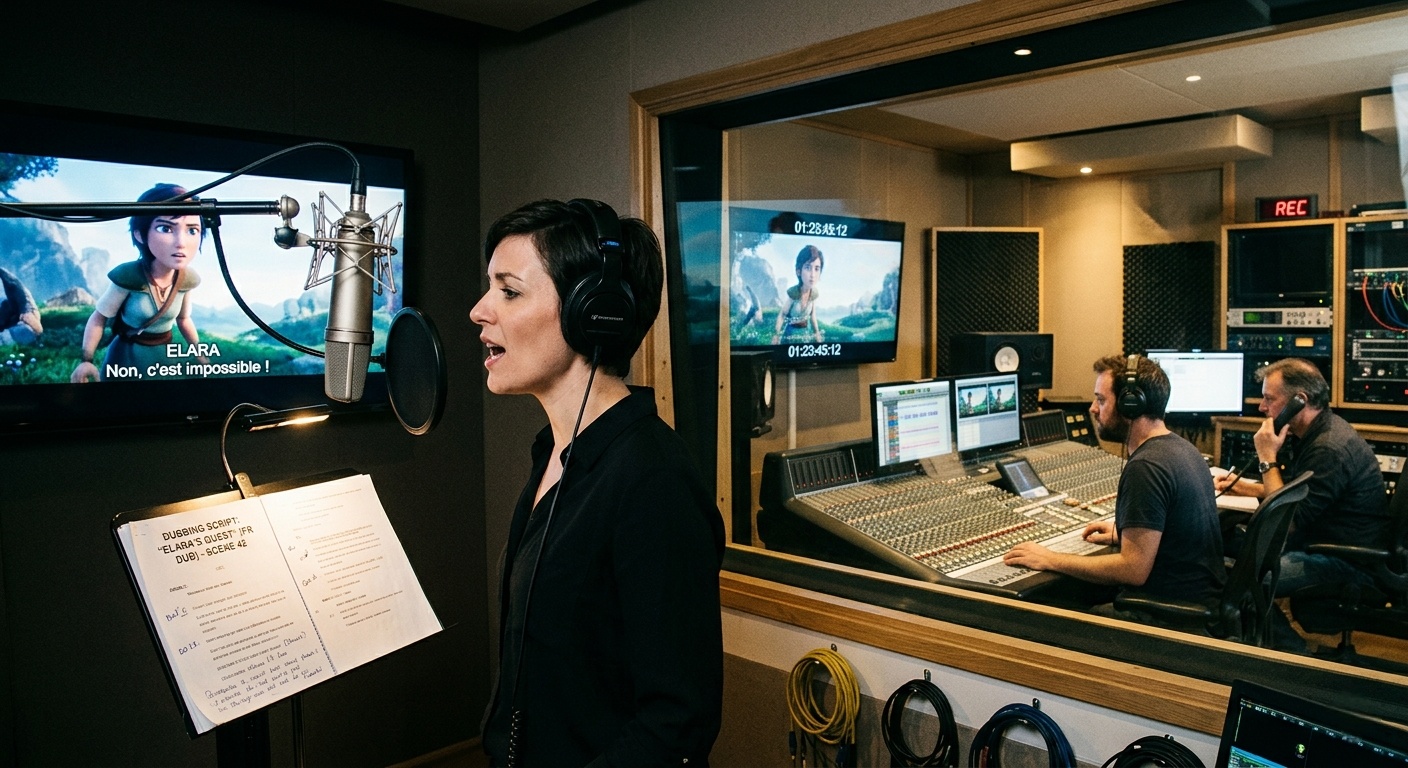
Traditional dubbing is the classical method of replacing original dialogue with translated voice recordings. Professional voice actors generally perform these dubbings. Film, television and the entertainment industries have been relying on this method for decades now.
How Professional Voice Dubbing Is Created
Traditional voice dubbing is a time-consuming, multi-stage process that relies on human professionals at every step. From transcribing and translating the script to adapting the dialogue, hiring voice actors, recording in a studio, editing the audio, and synchronizing lip movements, each stage requires specialized expertise, making the entire localization workflow both costly and slow.
The Role of Voice Actors and Recording Studios
Voice actors and recording studios go hand-in-hand to make traditional dubbing a success. Voice actors bring emotion and authenticity to dubbed content. Recording studios, on the other hand, provide a team of experts that may include audio engineers, directors and post-production teams. However, it is the human involvement in reality that significantly determines the quality of content production.
Industries That Still Rely on Traditional Dubbing
Despite the rapid growth of AI dubbing, traditional dubbing continues to play an important role in industries where emotional performance, artistic expression, and strict quality control are essential. Large-scale productions often invest in professional voice actors and studio recording to deliver the highest level of authenticity.
Traditional dubbing is still widely used in feature films, television series, animated productions, video games, premium advertising campaigns, and documentary filmmaking, where performance quality often takes priority over production speed.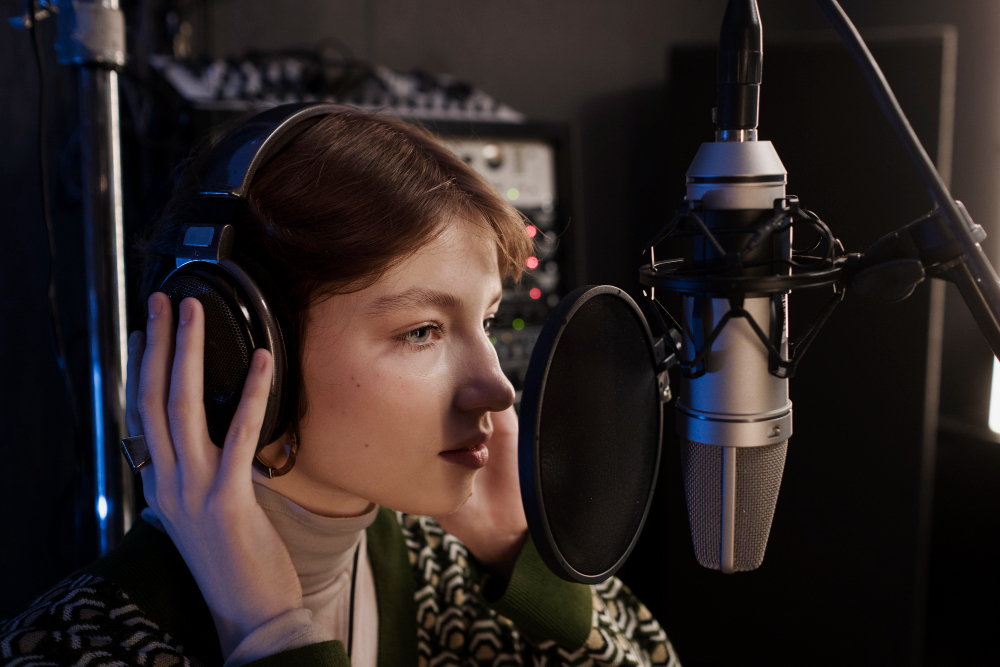
AI Dubbing vs Traditional Dubbing: Key Differences
There exist many clear differences in both dubbing types, although both help localize videos for audiences.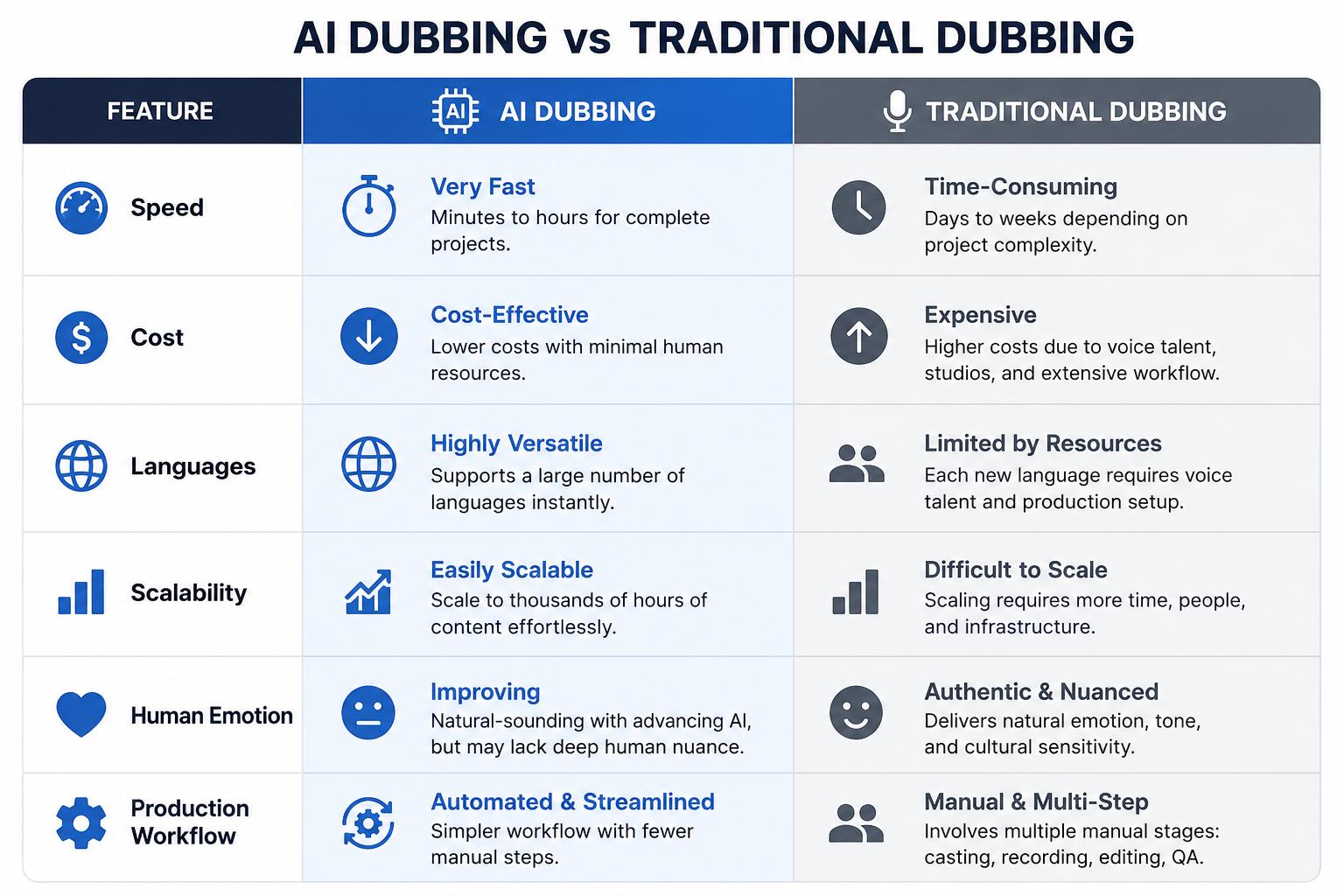
Speed and Production Time
AI dubbing may take a few minutes only to translate a single video into dozens of languages on the same day. You can generate multilingual voice-overs within minutes, creating highly localized content.
In contrast, traditional dubbing may require many things.Scripts often need to be translated and adapted for natural delivery, voice actors must be cast and scheduled, recording sessions have to be completed, and the final audio requires editing and synchronization. As a result, producing a professionally dubbed video can take several days or even weeks. For creators and businesses that need to scale content quickly, AI dubbing offers a clear advantage in production speed.
Cost and Budget Requirements
AI dubbing reduces production costs by a long margin. It is because much of the process is automated, making it ideal for small creators and startups. In comparison, traditional dubbing deals with numerous expenses. These include voice actor fees, studio rental, editors and project managers. It is an additional cost, which makes AI dubbing the better choice for many.
Language Coverage and Scalability
AI platforms support dozens or even hundreds of languages simultaneously. A creator can localize content into multiple markets with just a few clicks for the same source video. Here, traditional dubbing becomes increasingly expensive and complex as language requirements grow. The winner is easily AI dubbing.
Voice Quality and Emotional Expression
Auto dub AI voices have improved much over the years. Still, they don’t convey highly emotional scenes. Traditional dubbing shines here. Professional voice actors can interpret the context behind each line, convey subtle emotions through tone and delivery, adapt dialogue to fit cultural expectations, and create memorable character performances that resonate with audiences. While AI is becoming more expressive, human performers remain the preferred choice for films, animation, and other narrative-driven productions where emotional authenticity is essential.
Which Dubbing Method Is Better for Video Translation?
The best method depends on the type of content being generated.
For YouTube Videos
YouTube creators often prioritize publishing speed and audience growth. AI dubbing makes it easy to translate videos into multiple languages within minutes, helping creators reach international viewers without recording separate versions. It also allows creators to test new markets quickly and scale successful content across different regions with minimal effort.
Best choice: AI dubbing
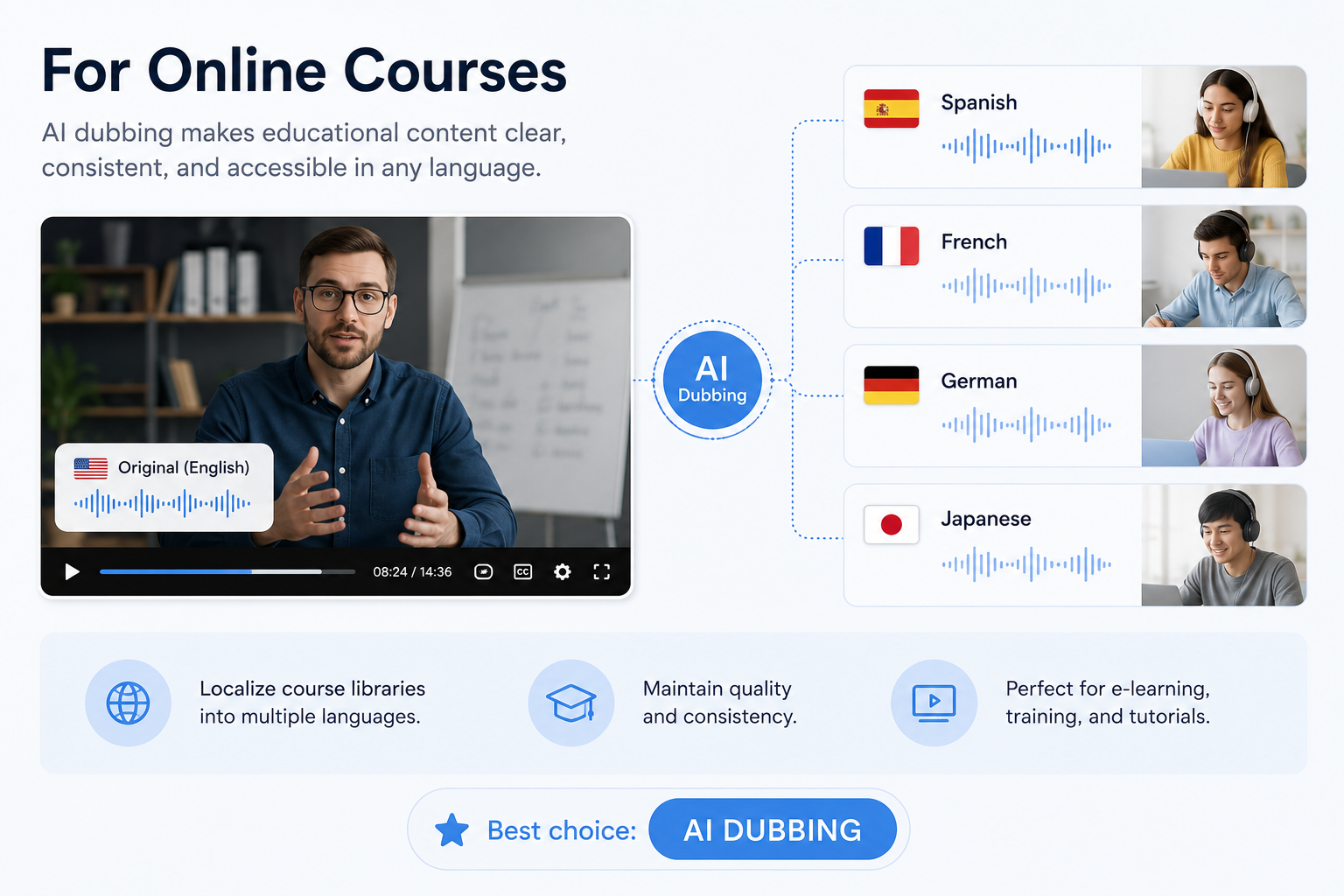
For Online Courses
Educational content usually demands clarity and consistency, easily delivered by AI dubbing. You can localize entire course libraries into multiple languages while maintaining quality by using the perfect software.
Best choice: AI dubbing
For Marketing Content
Marketing videos need both scalability and engagement.
Best choice: AI dubbing for large-scale campaigns; traditional dubbing for premium brand advertising
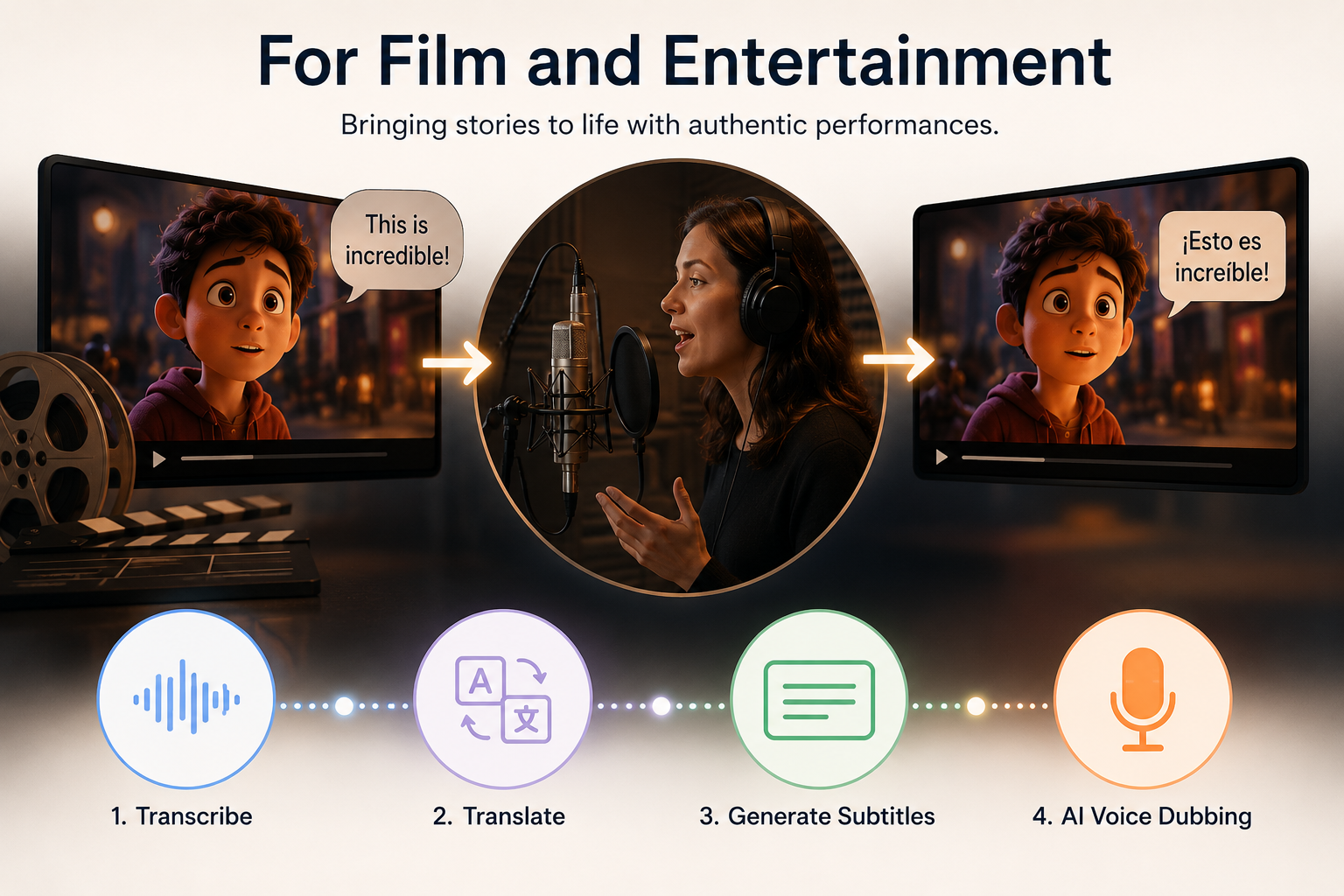
For Film and Entertainment
Movies, TV shows, animation, and narrative-driven productions rely heavily on emotional performances and character expression. Professional voice actors can interpret subtle emotions, adapt dialogue naturally, and deliver performances that resonate with audiences.
Best choice: Traditional dubbing
When Is Traditional Dubbing Still Worth It?
Despite AI's rapid advancement, traditional dubbing remains valuable in several situations.
Movies and TV Productions:
Animation and Character-Driven Stories:
High-End Commercial Campaigns:
Projects Requiring Strong Emotional Performance:
Why Dubbing Matters in Video Translation
Videos spread globally not just because of perfectly translated words. An errorless dubbing also plays a major role here. Let’s explore the different components of the dubbing process.
The Importance of Subtitle Translation
Subtitles allow viewers to quickly understand and browse through content. It particularly holds true for those who love reading captions on mute. This also proves greatly helpful for language learners and hearing-impaired audiences.
Why Lip Sync Improves Viewer Experience
If you dub your video accurately with proper translation, but the audio and facial expressions of a person portrayed in the video don’t match, the whole effect gets spoiled. Thus, poor synchronization can be disastrous for your video's engagement scores. It may dissatisfy viewers.
Creating Fully Localized Videos for Global Audiences
When you create content by keeping in mind several leading techniques, the audience feels that the content was created specifically for them. It is the true success of a perfect UGC video. All you have to do is keep in mind the factors of local language translation, cultural relevance and visual consistency, among other things.
Combining AI Dubbing, Subtitles, and Lip Sync
Modern video creators, sellers and other parties create perfect localization workflows by using the processes of translation, AI dubbing, subtitle generation and lip synchronization. Ultimately, they get to publish the ideal video content. This approach allows creators to scale internationally while maintaining professional quality.
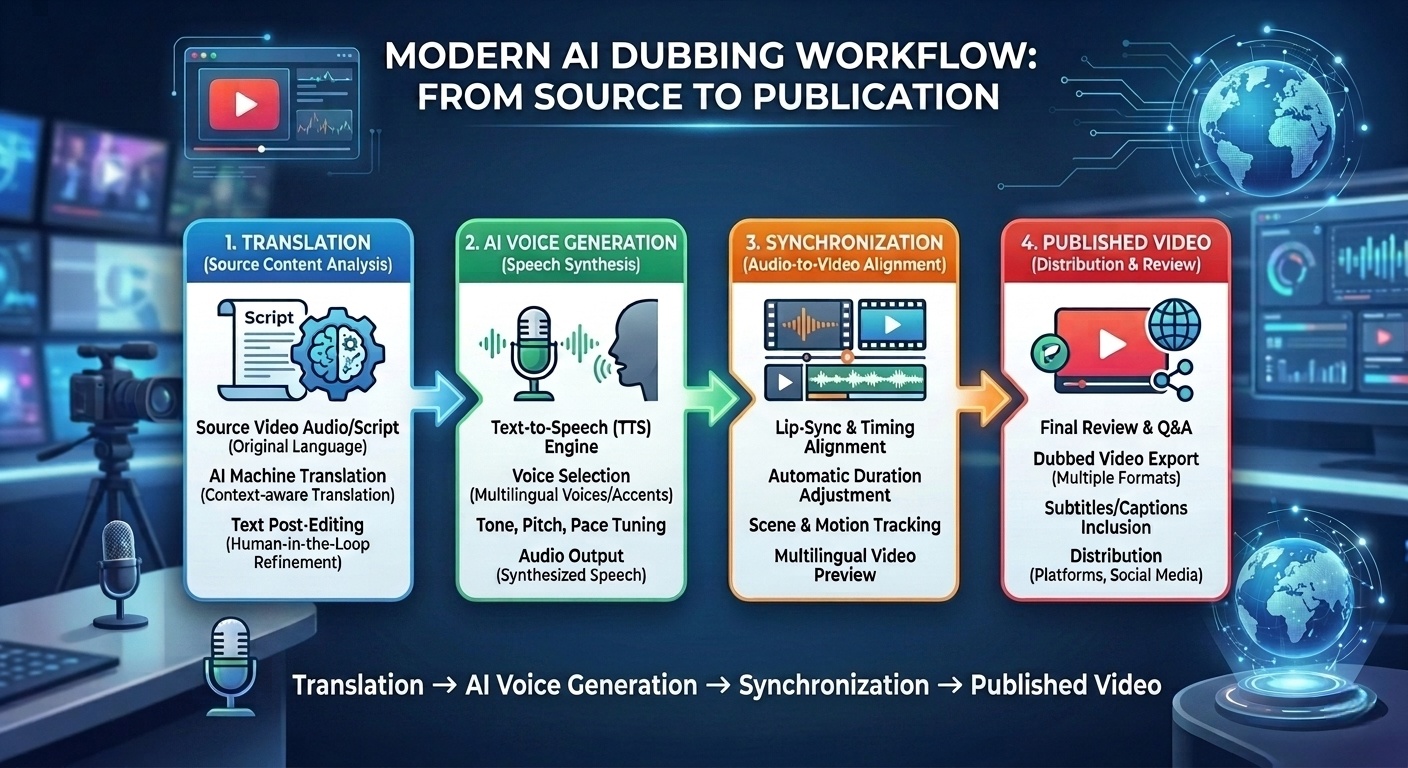
A thorough localization workflow comes out like this:
Translation → AI Dubbing → Subtitle Translation → Lip Sync → Published Video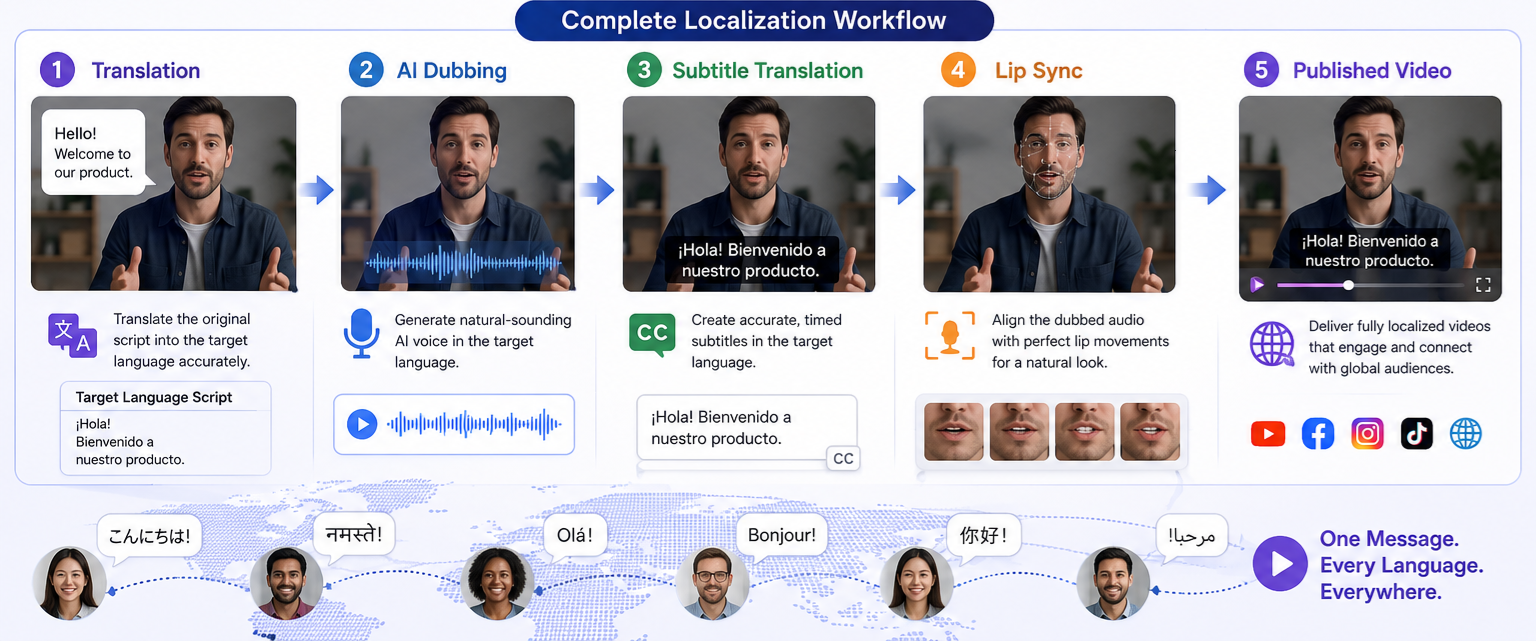
Vmake: AI Dubbing, Subtitle Translation, and Lip Sync in One Workflow
Video localization has become more complex over time, requiring creators to work with simple tools that offer multipurpose benefits. Vmake Video Translator offers an amazing localization solution by integrating multiple technologies. These include translation, AI dubbing, subtitle generation and lip sync technology.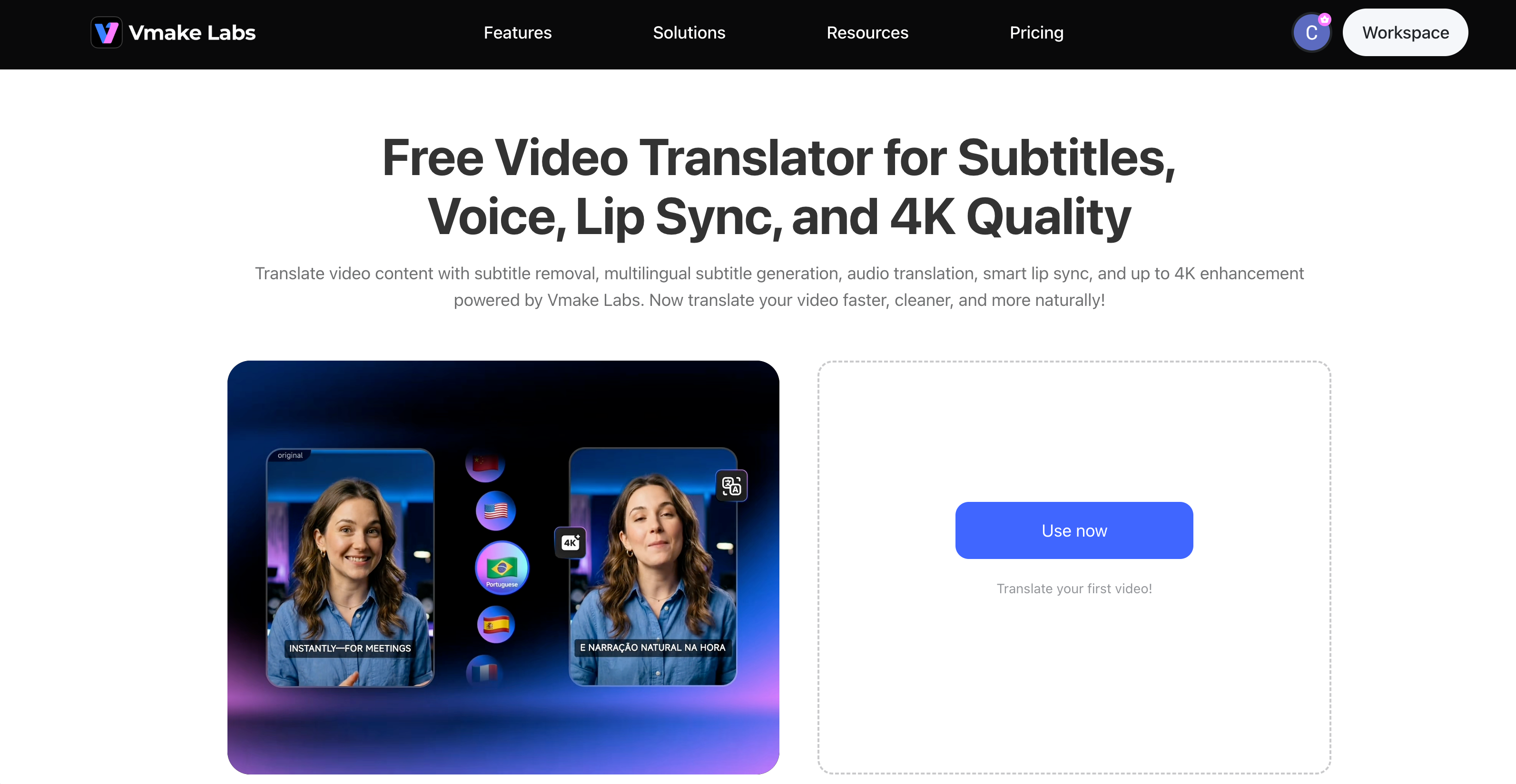
Key Features
Accurate Video Translation for Multiple Languages:Vmake automatically transcribes and translates spoken content into English and dozens of other languages. This helps creators localize videos quickly without manually creating subtitles or translations.
Natural AI Dubbing Options:In addition to subtitles, Vmake can generate dubbed audio using AI voices. Users can select from different voice styles to create a more natural viewing experience for international audiences.
Smart Lip Sync Technology:The platform includes AI-powered lip sync that aligns translated speech with the speaker's mouth movements. This helps dubbed videos appear more realistic and reduces the mismatch often seen in traditional voiceovers.
Flexible Subtitle Controls:Users can edit generated subtitles, adjust their appearance, or remove existing captions before exporting the final video. This provides greater control over the localization process.
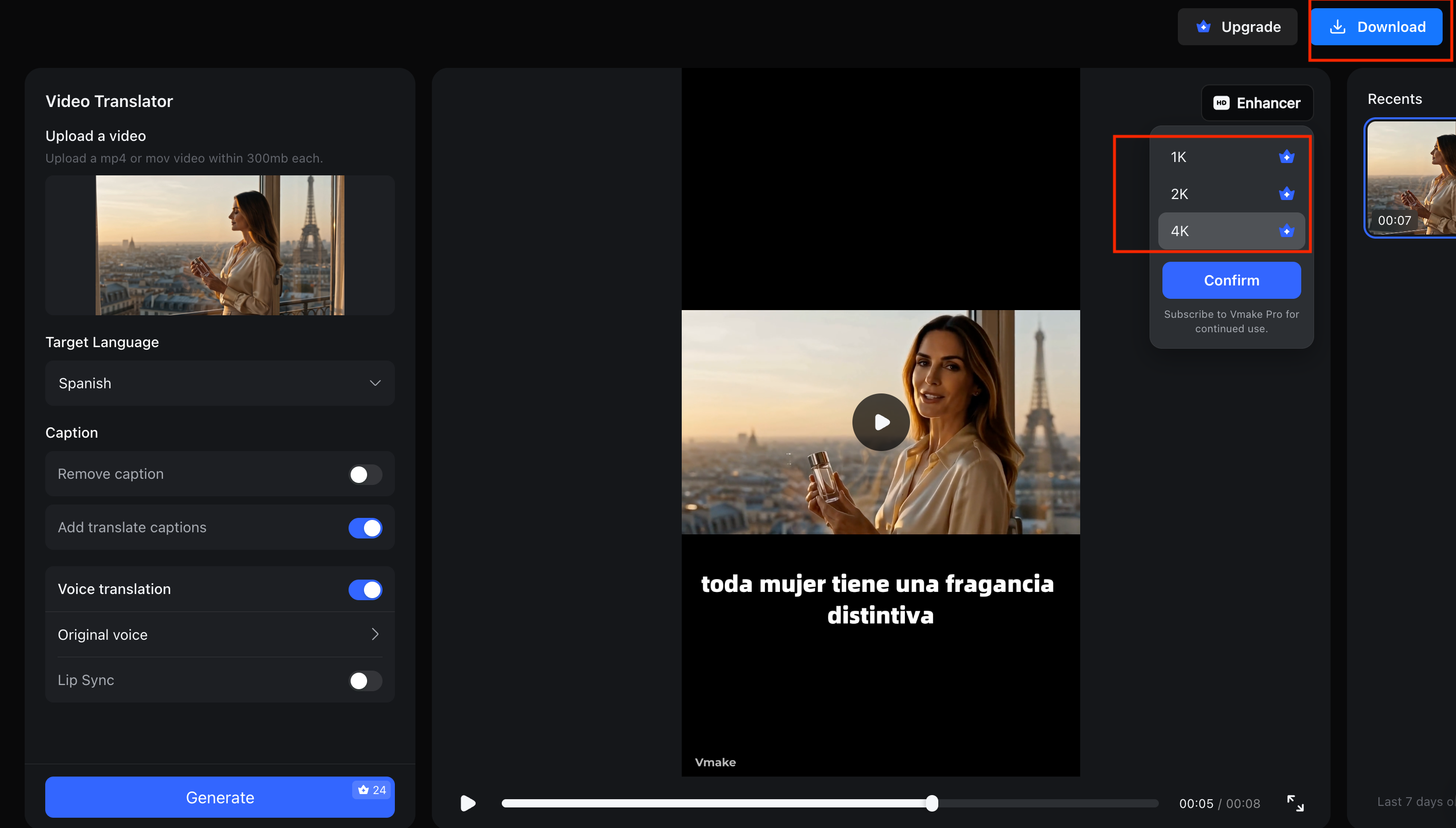
High-Quality 4K Export:Unlike some video translation tools that reduce video quality during processing, Vmake supports exports in up to 4K resolution, making it suitable for professional content, marketing videos, and YouTube publishing.
Step-by-Step Guide
Vmake helps improve the global reach of UGC content through these basic steps:
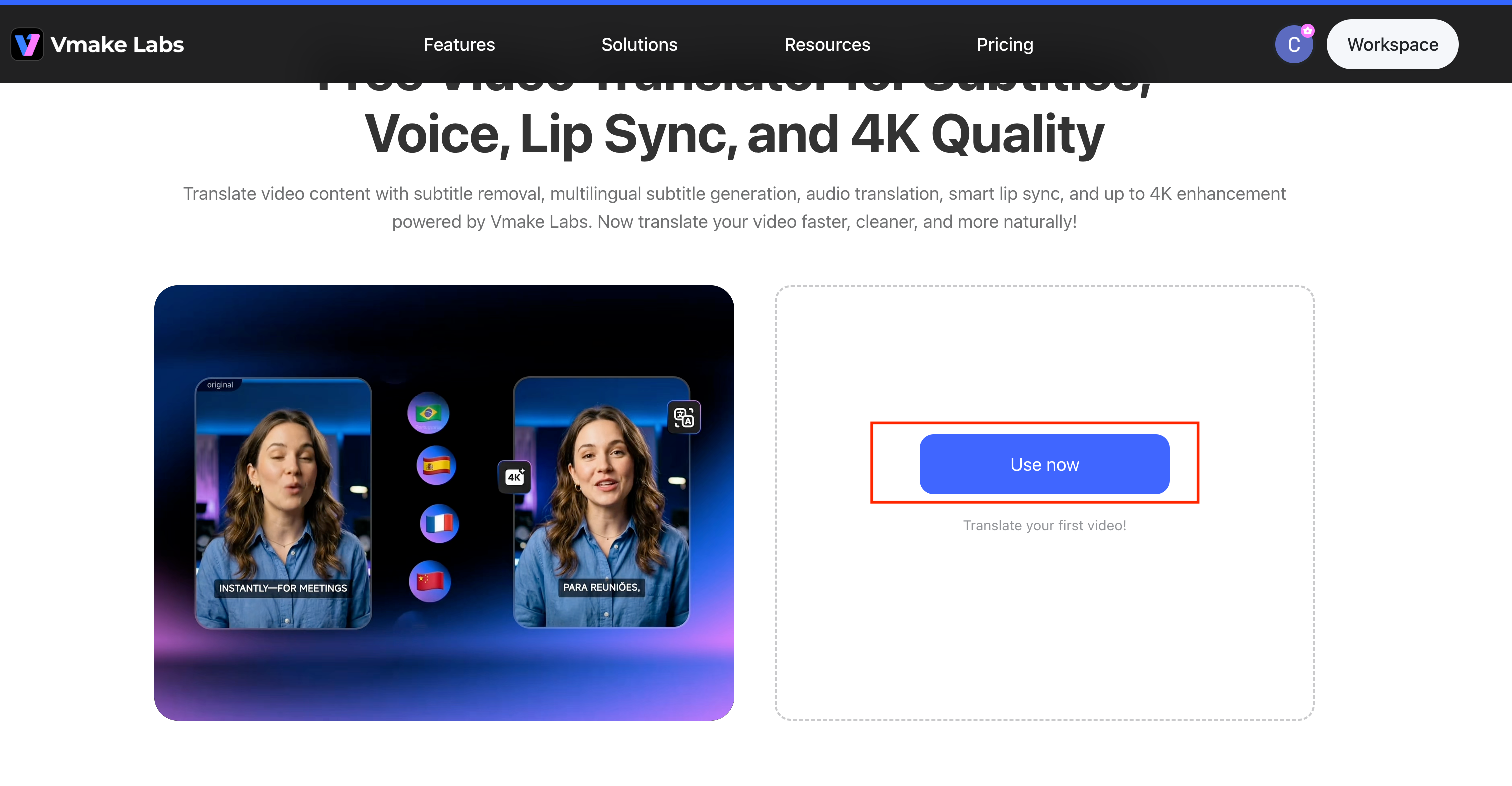
1. Upload Your Video
Import the source video (up to 300 MB) into the platform.
2. Select Options
Choose the languages you want to localize, and add Video Translation and caption option by selecting them. Remove caption if you like and select the Voice versions. Keep the original or choose a new one through AI avatar voices. Adding ‘Lip Sync’ requires an upgrade.
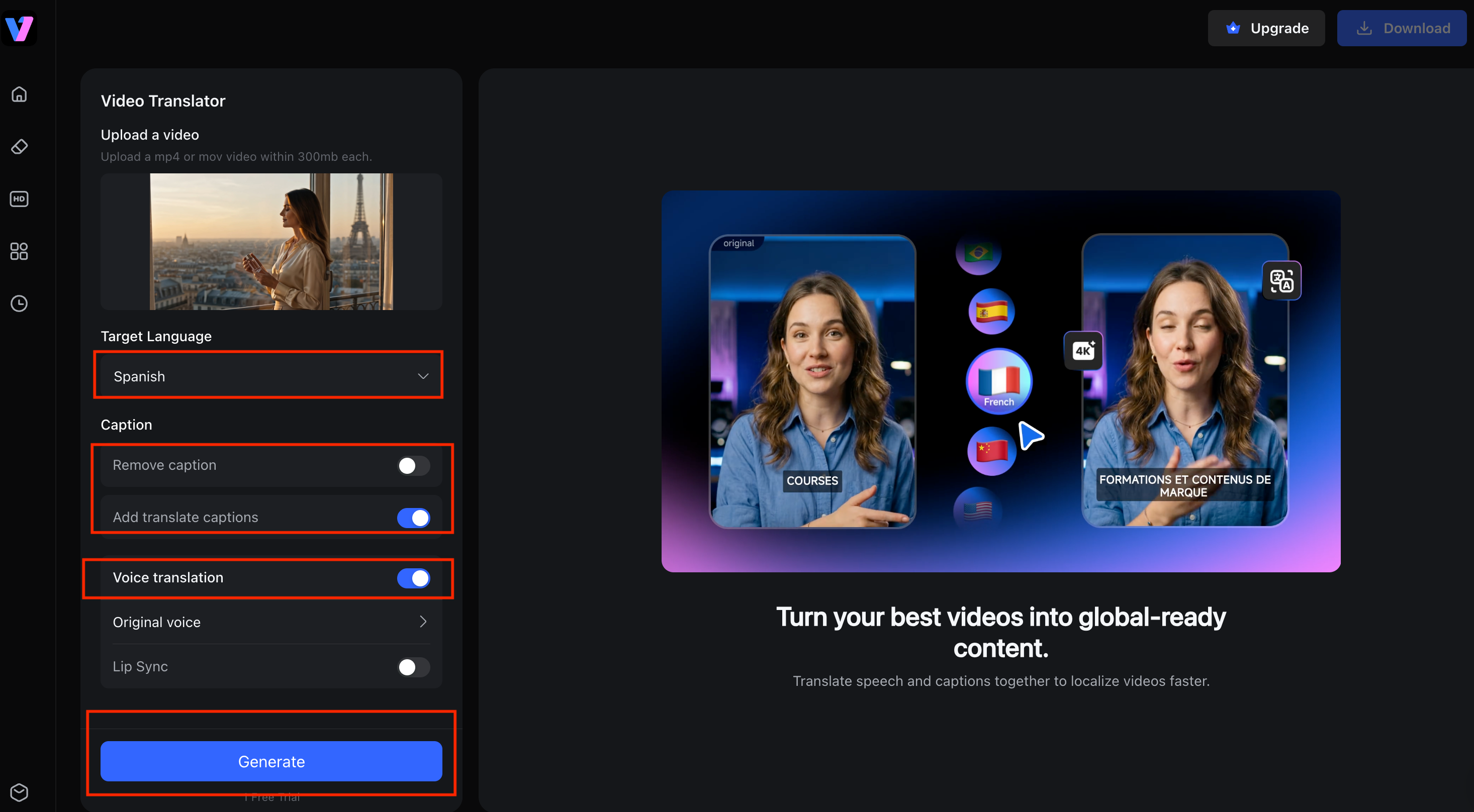
Click on ‘Generate.’ You need to ‘Log In’ for a free trial. Download the localized video.
FAQ
What is the difference between AI dubbing and traditional dubbing?
AI dubbing basically uses artificial intelligence to translate and generate voice-overs automatically. In contrast, traditional dubbing needs human voice actors and studio recordings.
Is AI dubbing cheaper than traditional dubbing?
Yes. Dubbing AI is generally much more affordable. It is because it reduces the cost and time needed to wait for actual actors and manual studio revisions.
Can AI dubbing replace professional voice actors?
Yes, but to a certain point. AI dubbing excels in speed and its broader scale. However, professional voice actors still provide superior emotional expression and performance quality.
Which dubbing method is best for YouTube videos?
AI dub works best for YouTube video creators due to multiple reasons. Main ones include being fast, cost-effective and offering multilingual support.
Why do some dubbed videos look unnatural?
Typically, a mismatch between audio and video input creates such unnatural and awkward-looking dubbed videos. A decent lip sync software can help prevent this issue.
Do I need subtitles if I already use AI dubbing?
Yes. Subtitles help improve accessibility for those viewers who are hard of hearing or are in a noisy environment. These also support audiences who prefer reading translated text.
What is the best way to localize videos for international audiences?
The best way is not to rely on a single process but to use many techniques. These can be translation, AI dubbing, subtitle generation and lip syncing. This helps provide a fully localized viewing experience to global audiences.
You May Be Interested
123APPS Watermark Remover Review (2026): Pros, Cons, and Pricing
Seedance 2.0 vs Sora 2: Which AI Video Generator Wins in 2026?
Top 20 Captions to Make Your YouTube Shorts Go Viral

Google Gemini|Copy Paste This Simple Prompts to Create “Hug my younger self ” Photos